What to Eat Before and After Boxing Workout Sessions
Boxing workouts feel better with the right food timing. Learn what to eat before and after training for energy, recovery, and realistic routines.
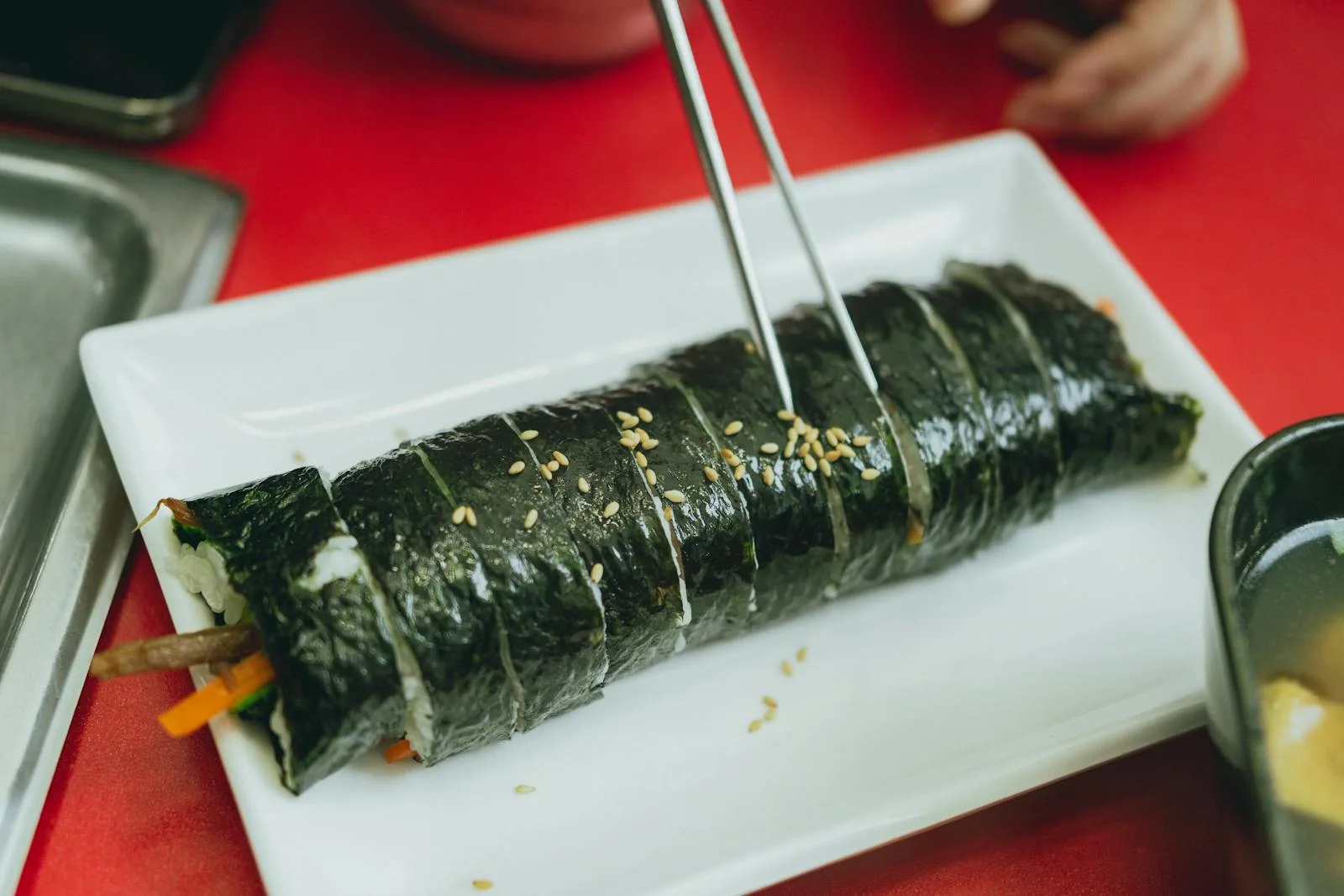
You finish work in Seoul, you're heading to your boxing class, and you realize you haven't eaten properly. Do you grab a kimbap from the convenience store, drink a coffee, or just train hungry? And after class — tired, sweaty, not quite home yet — is it better to eat immediately or wait?
These are real decisions that come up multiple times a week, and they matter more than most people think. Getting the timing and food choices roughly right means better energy during training, less stomach discomfort mid-session, and faster recovery afterward. This guide gives you a simple, practical framework built around what's actually available in Seoul — not what an ideal nutrition plan would look like.
The Short Answer
Before boxing (1–2 hours out): a light, balanced meal with carbs and a moderate amount of protein. Keep it easy to digest — nothing heavy, greasy, or very spicy.
Good options: triangle kimbap and a banana, toast and eggs, a small bowl of rice with chicken or tofu.
If you only have 30–60 minutes: go lighter and simpler. A banana, a yogurt drink, or a protein shake is enough. The goal is fuel, not a full meal.
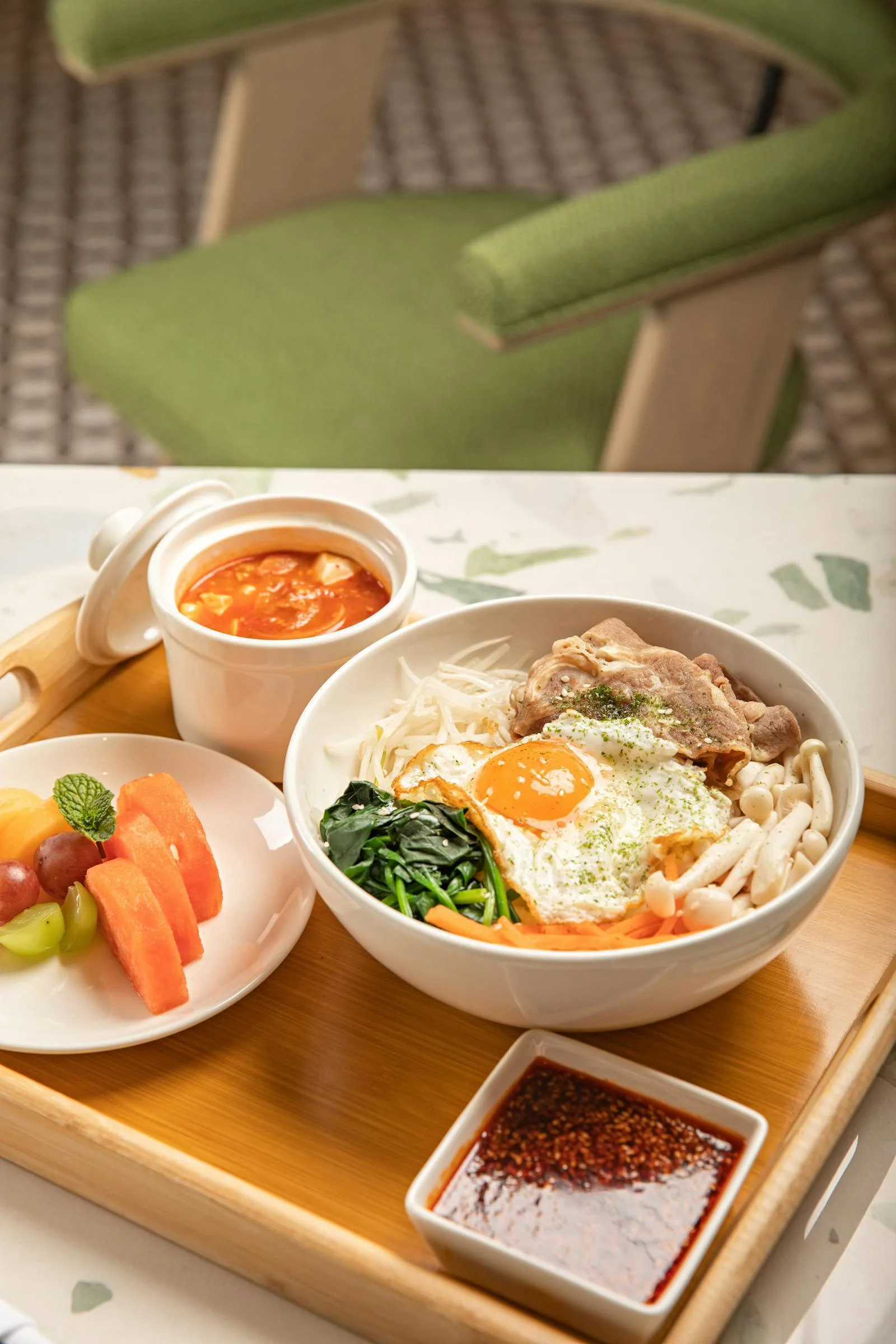
After boxing (within 1–2 hours): protein plus carbs for recovery. Chicken breast and rice, bibimbap, or a protein shake with a convenience store sandwich all work well. The specifics matter less than actually eating something.
What Your Body Actually Needs
Rather than memorizing ideal meals, it helps to understand what's going on nutritionally.
Carbohydrates are your fuel for boxing. The sport is high-intensity — constant movement, reactions, combinations. Without adequate carbs, energy drops noticeably in the later parts of a session. Even something simple like rice, bread, or fruit before training makes a real difference. This isn't about loading up; it's about not starting empty.
Protein supports recovery after training. Once the session is done, your muscles need protein to repair. It doesn't need to be complicated — chicken, eggs, tofu, or a protein drink all count. Eating within an hour or two of finishing tends to support recovery better than waiting until you're home and starving.
Timing matters, but not obsessively. One to two hours before training is the sweet spot for a proper meal. Thirty to sixty minutes out, stick to something small and fast to digest. After training, eat within one to two hours. These are guidelines, not rules to stress about.
Comfort matters as much as nutrition. A technically balanced meal that leaves you feeling bloated or heavy mid-session is worse than a simpler option that sits well. This is especially worth noting with spicy, oily, or very salty Korean food — all of which can cause real discomfort during high-intensity training.
What the Options Actually Look Like in Seoul
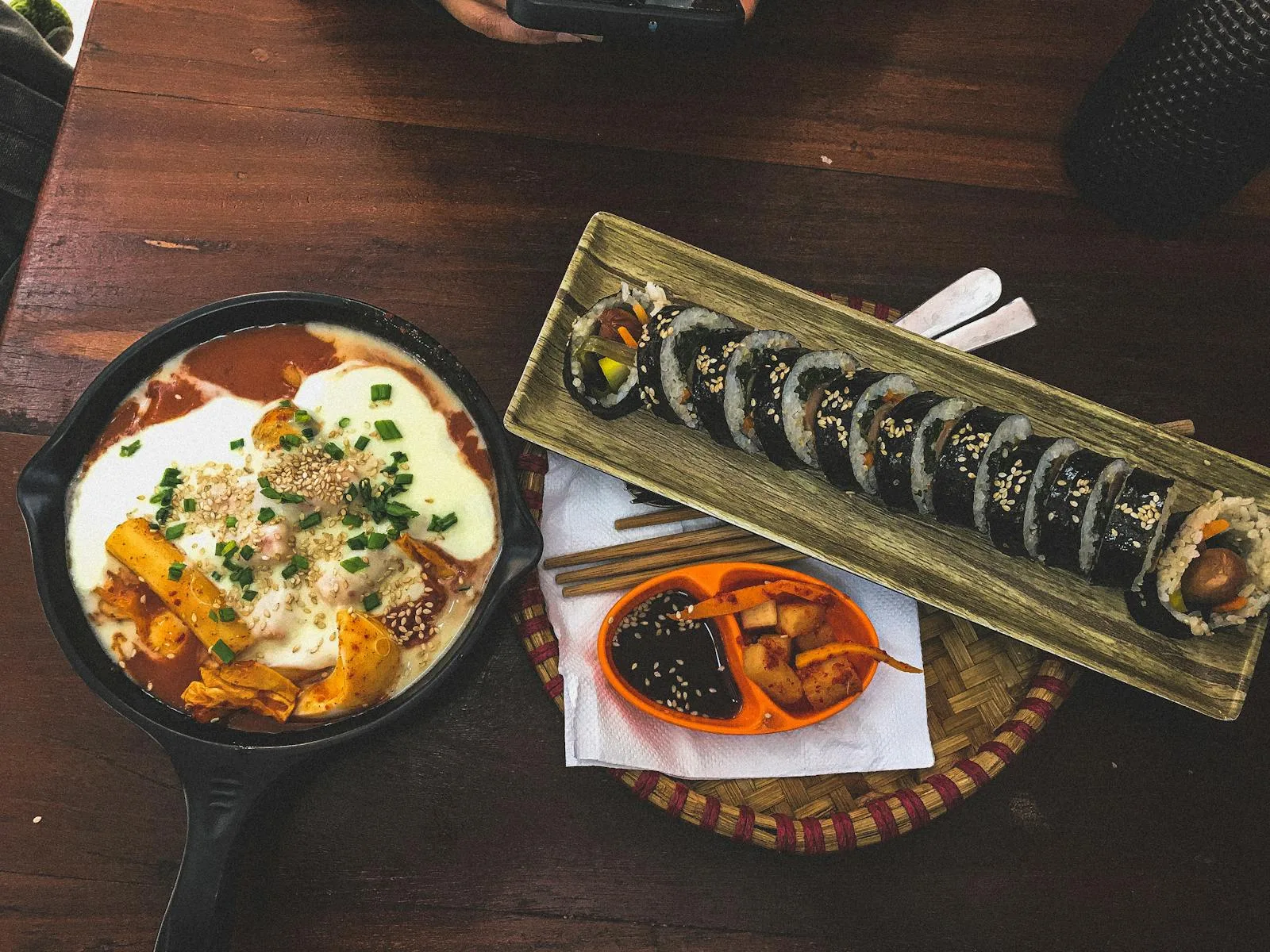
Convenience stores are the most practical option for busy weekdays. Kimbap is a reliable pre-workout choice — easy carbs, light, and available everywhere. Bananas, Greek yogurt, packaged chicken breast, and protein drinks cover most of what you need before or after training. The main tradeoffs are sodium and limited variety, but for consistency they're hard to beat.
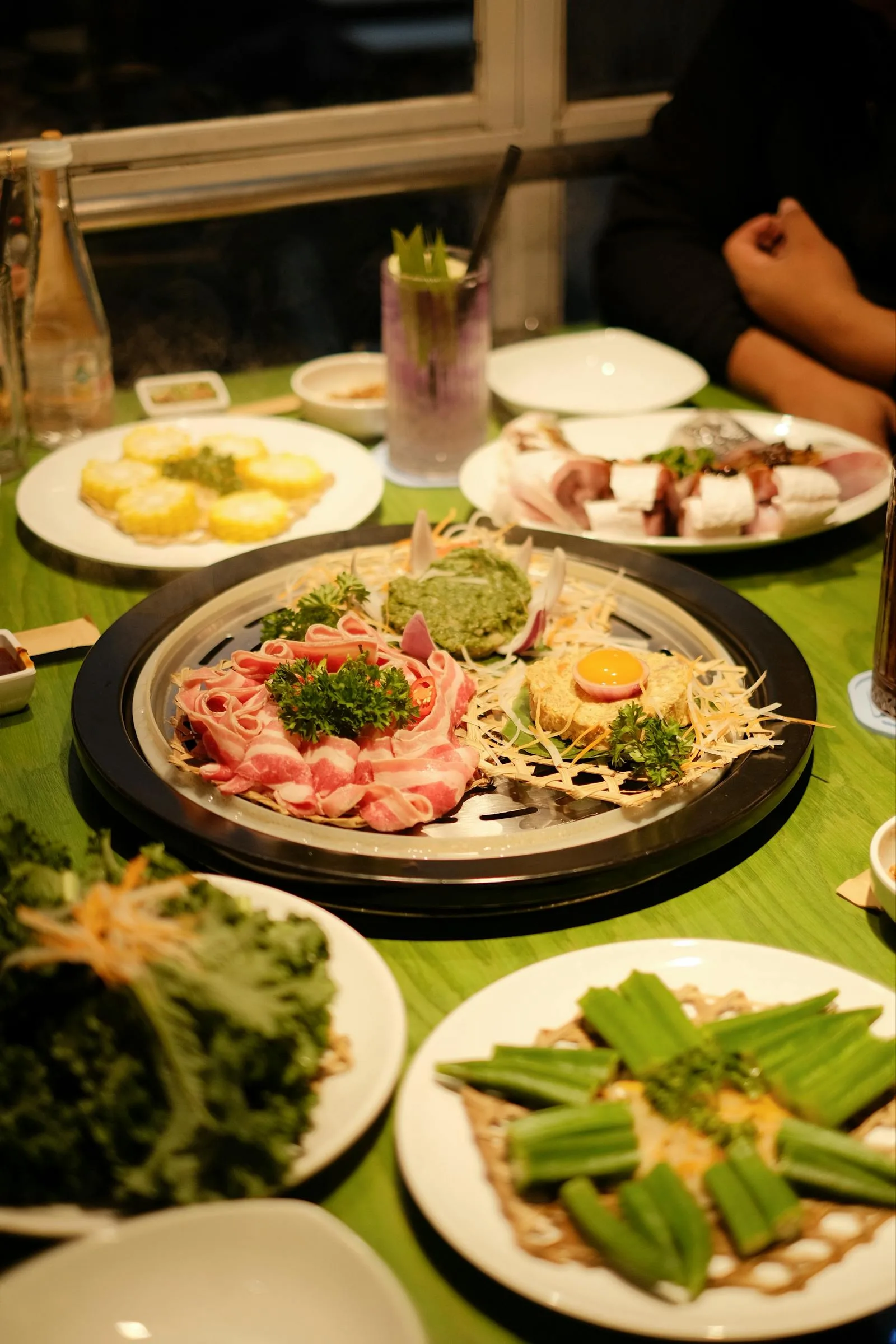
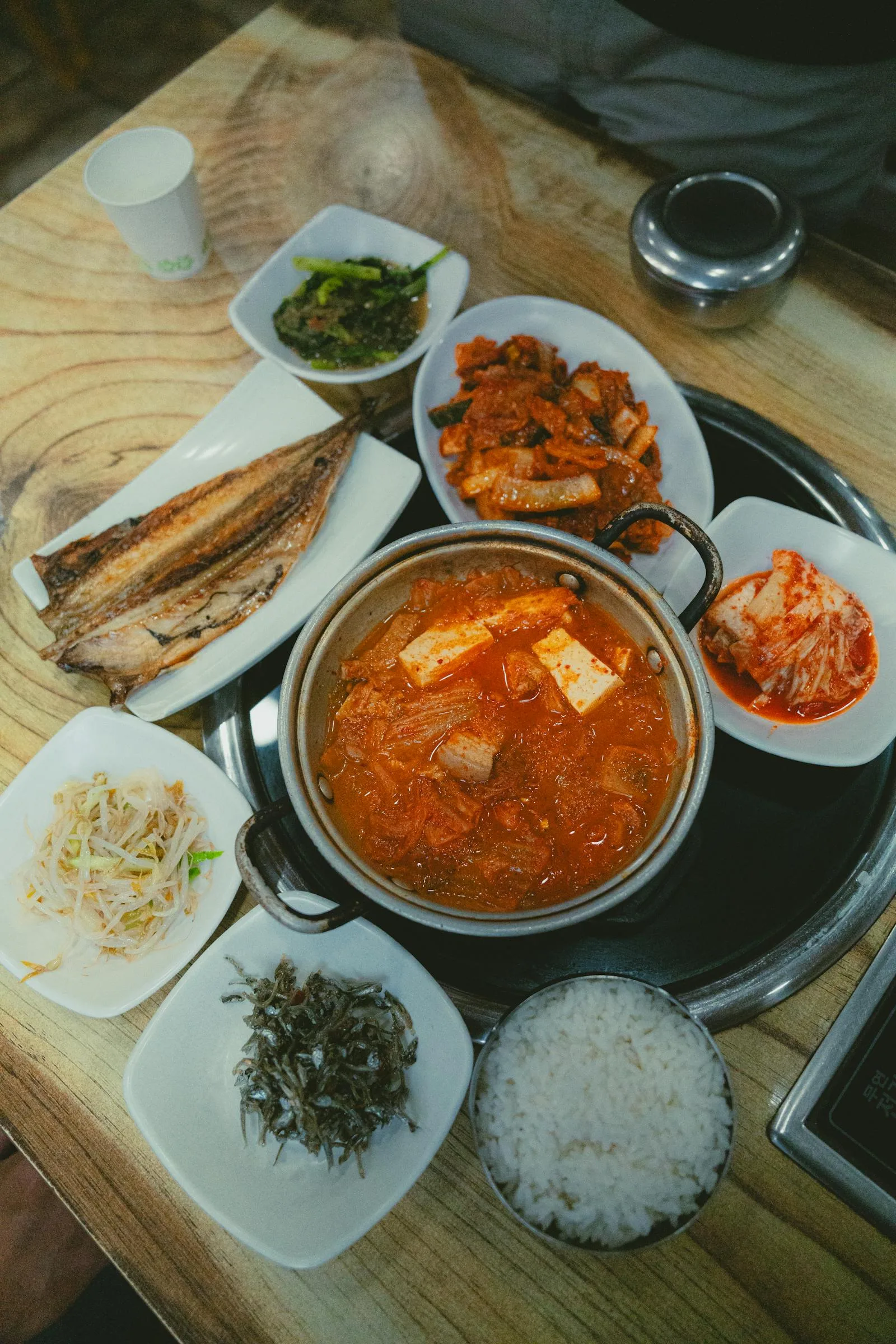
Korean restaurant meals work well for post-workout recovery when you have time. Bibimbap is one of the better options — reasonably balanced and easy to adjust. Baekban sets and grilled chicken or fish with rice are solid choices too. The tradeoffs are that dishes can run oily or heavy depending on the restaurant, and portion control is harder than at home.
Fast food and delivery can work in a pinch, but some options are worth avoiding before training specifically. Sub-style sandwiches and rice bowls with lean protein are fine. Fried chicken, pizza, and anything with heavy sauce are less ideal in the hour or two before a session — they sit heavily and tend to affect performance.
Simple home meals are the most consistent option if you have the time. Rice with eggs and kimchi, oats with milk and banana, or chicken breast with salad and rice are all easy, repeatable combinations that require minimal thought.
The Mistakes That Come Up Most Often
Training completely empty. Some people skip pre-workout food assuming it helps with fat loss. In practice, it usually reduces performance and leads to overeating afterward. If a full meal isn't realistic, something small — a banana, a yogurt drink — is enough to make a difference.
Eating too much too close to training. A heavy meal thirty minutes before boxing makes the session significantly less comfortable. If timing is tight, go liquid or very light: a protein shake, a banana, or a small sandwich.
Skipping post-workout nutrition. Delaying the post-workout meal significantly slows recovery and can affect how the next session feels. Having a default option ready — a protein drink and kimbap, a chicken breast pack, or a simple Korean meal on the way home — removes the decision entirely.
Overcomplicating it. Trying to follow a detailed boxing nutrition plan during a busy weekday rarely lasts. Two or three reliable default meals that you repeat consistently will produce better results than an elaborate system that falls apart when life gets busy.
For broader nutrition habits that hold up in real life: simple nutrition habits that make fat loss easier to repeat across normal weeks. Fat Loss Nutrition Habits
Five Rules to Use This Week
If you don't want to think about this more than necessary, these five rules cover most situations:
For navigating restaurant choices in Korea without overthinking every meal: how to make practical restaurant choices in Korea without treating every meal like a diet test. Diet Friendly Korean Restaurant Food
For understanding how much protein you actually need when training regularly: how much protein you need when training regularly depends on body size, goals, and how consistently you can eat across the week. Protein Intake For Training
- Don't train boxing completely empty more than occasionally. Eat carbs before training if you want better energy. Keep pre-workout meals light and easy to digest. Eat protein after training, even if it's just a shake. And have two or three default meals you can repeat across the week without thinking.
- A simple weekly default: kimbap and a banana before boxing, a protein drink and chicken breast after, and a proper Korean meal like bibimbap on the weekend when there's more time.
Match the Meal to the Session
Before technical or lighter boxing, a small carbohydrate-based snack may be enough. Before harder rounds, allow more digestion time and include both carbohydrate and a moderate amount of protein. After training, return to a normal balanced meal rather than treating every session as a reason for a large recovery meal.
If you are planning the training itself, see how a private boxing session in Seoul is structured.
FAQ
Should I eat before boxing?
Yes, if performance matters to you. A light meal one to two hours before is ideal. If you're short on time, even a banana helps. Training completely fasted occasionally is fine; doing it regularly tends to reduce both performance and recovery.
What should I eat after a boxing workout?
Protein and carbs — chicken and rice, bibimbap, or a protein shake with a sandwich are all solid options. The goal is to support recovery, not to eat perfectly.
Is it okay to train boxing on an empty stomach?
Occasionally, especially for lighter sessions. For high-intensity boxing, fasted training usually reduces performance and makes recovery harder. A small snack before is almost always worth it.
Train With BODY SMITH