Protein Intake for Training: How Much Do You Really Need?
Protein needs depend on your body, goal, and training routine. Learn how much protein helps with muscle, recovery, satiety, and consistency.
You finish training in Seoul and have a familiar decision to make: grab a protein drink, eat dinner properly, or just go home because it is already late. Protein intake for training is not only about knowing a daily number. It is about making that number work around training time, recovery, appetite, and the meals you can realistically repeat.
This article is not a protein calculator. It is a practical guide to what changes on training days, how to distribute protein around sessions, and how to avoid turning recovery nutrition into another complicated task.
The Training-Day Question
The useful question is not only "how much protein do I need?" It is "where does protein fit into the day I actually train?"
For many people in Seoul, training happens after work. That means breakfast may be rushed, lunch may be carb-heavy, and dinner may come late. If most of your protein is pushed to the end of the day, recovery nutrition becomes harder than it needs to be. Training days usually work better when protein is distributed before and after the session instead of saved for one large meal.
The daily range still matters, but this article is focused on execution: how to make protein easier to hit on the days your body is actually recovering from training.
Before and After Training
You do not need a perfect post-workout window. You do need enough protein across the day for your body to recover from the work you just did.
Before training, the goal is simple: do not arrive underfed if the session is demanding. A normal meal with protein a few hours before training is usually enough. If the gap is long, a small protein-focused snack can help keep the evening session from turning into a low-energy grind.
After training, aim for a real meal when possible. A protein drink can be useful when dinner is delayed, but it should solve a timing problem rather than replace meals by default. The best option is the one that helps you recover and repeat the next session, not the one that looks most "fitness."
What This Looks Like After Training in Korea
Protein is available in Korea, but the easiest post-training option depends on timing.
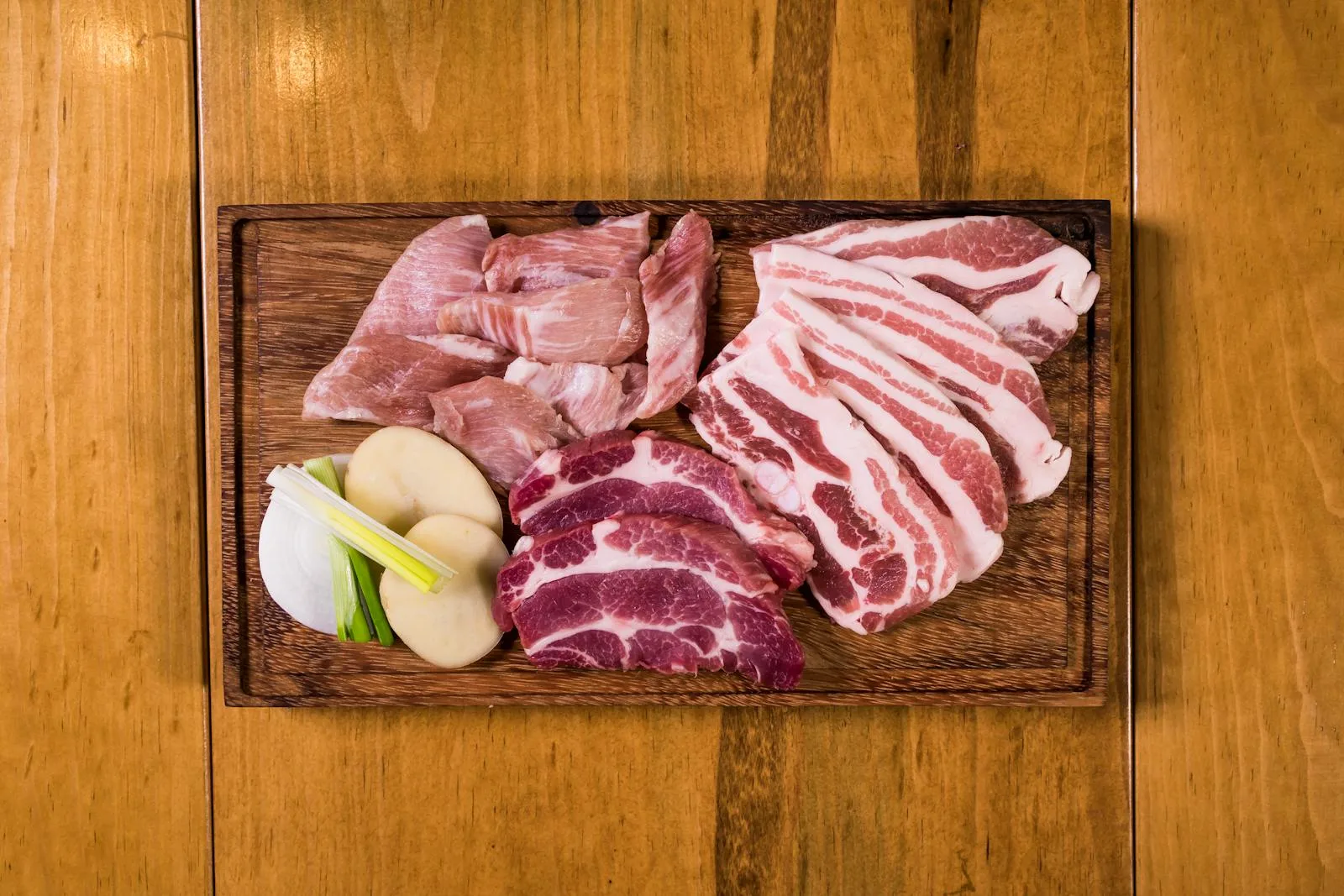
If you are going straight home, a normal dinner with meat, fish, eggs, tofu, or dairy can handle the job. If dinner is still an hour or two away, convenience-store options such as boiled eggs, Greek yogurt, chicken breast packs, or a protein drink can bridge the gap. If you are eating out after training, the goal is not to make the meal perfect. It is to make sure the plate has a clear protein source instead of becoming mostly rice, noodles, alcohol, and side dishes.
The practical adjustment is usually small: choose the protein element first, then build the rest of the meal around it.
If you're tired of relying on chicken breast: chicken breast alternatives for people who want more variety while keeping protein high. Chicken Breast Alternatives
Why Training Days Make This Harder
The days you train are often the days protein intake is hardest to manage — which is backwards from what you'd want.
A long workday with a session in the evening often means eating very little during the day, training on low fuel, and then trying to catch up on protein at a late dinner. That late loading is less effective for recovery than spreading intake across the day, and it tends to make hunger harder to manage the following morning.
A more useful habit is adding one protein-focused meal or snack earlier in the day so that by the time you train and eat afterward, you are not starting from a significant deficit. It does not need to be elaborate. A convenience-store option between meetings is enough to shift the balance.
Signs Your Intake Is Working (and Signs It Isn't)
You don't always need to calculate to know whether protein intake is in the right range. The body tends to signal it fairly clearly.
If recovery between sessions feels reasonable, strength is stable or improving, and you're not constantly hungry despite eating enough overall — protein intake is likely sufficient. If you're frequently hungry even when calories feel adequate, struggling to maintain strength during training, or noticing slow and inconsistent recovery — it may be worth looking at where protein is actually landing in your day, not just whether the total is theoretically right.
These signals are more actionable than chasing a precise number daily.
Keeping it simple
A few repeatable habits will get you further than detailed tracking.
Include a clear protein source in every meal. Aim for 20 to 40 grams per sitting depending on your size and the meal. Add one protein-focused snack on training days, particularly if your lunch is light. Make small adjustments to Korean meals rather than replacing them — less rice, more protein. And stay roughly consistent across weekdays and weekends, not just the days when you're being careful.
That's a framework that holds up in a real Seoul schedule, not just an ideal one.
For a broader approach to eating habits: simple nutrition habits that make fat loss easier to repeat across normal weeks. Fat Loss Nutrition Habits
FAQ
How much protein do I need if I train regularly?
Most active people benefit from 1.2 to 2.0g per kilogram of body weight. Where in that range you land depends on training frequency, whether you're in a calorie deficit, and whether muscle gain is a specific goal.
Do I need protein powder when training?
No. Protein powder is a convenient option, not a requirement. If your meals are structured reasonably well, you can meet your needs through regular food without supplements.
Is it okay to eat most of my protein at dinner?
It works better distributed across the day. Eating most of it in one sitting makes it harder to meet your target comfortably, and spreading it out tends to support recovery more effectively — particularly on training days.