Fat Loss Nutrition Habits That Actually Make Eating Easier
fat loss nutrition habits: You're standing in a convenience store after work, scanning the options. Triangle kimbap, instant ramen, packaged chicken breast.
You're standing in a convenience store after work, scanning the options. Triangle kimbap, instant ramen, packaged chicken breast. Or you're at dinner with colleagues, trying to enjoy the meal without completely abandoning whatever progress you've made this week.
This is where nutrition actually happens — not in a meal plan, not in a controlled environment, but in moments like these. Fat loss nutrition habits are the habits that hold up here, not just at home with a full fridge and plenty of time.
This isn't about finding a perfect diet. It's about making slightly better decisions, more consistently, in the situations you actually encounter.
The Fundamentals — and Why They're Enough
Most people make nutrition more complicated than it needs to be. The habits that drive fat loss aren't elaborate. They're just the ones people have the hardest time actually repeating.
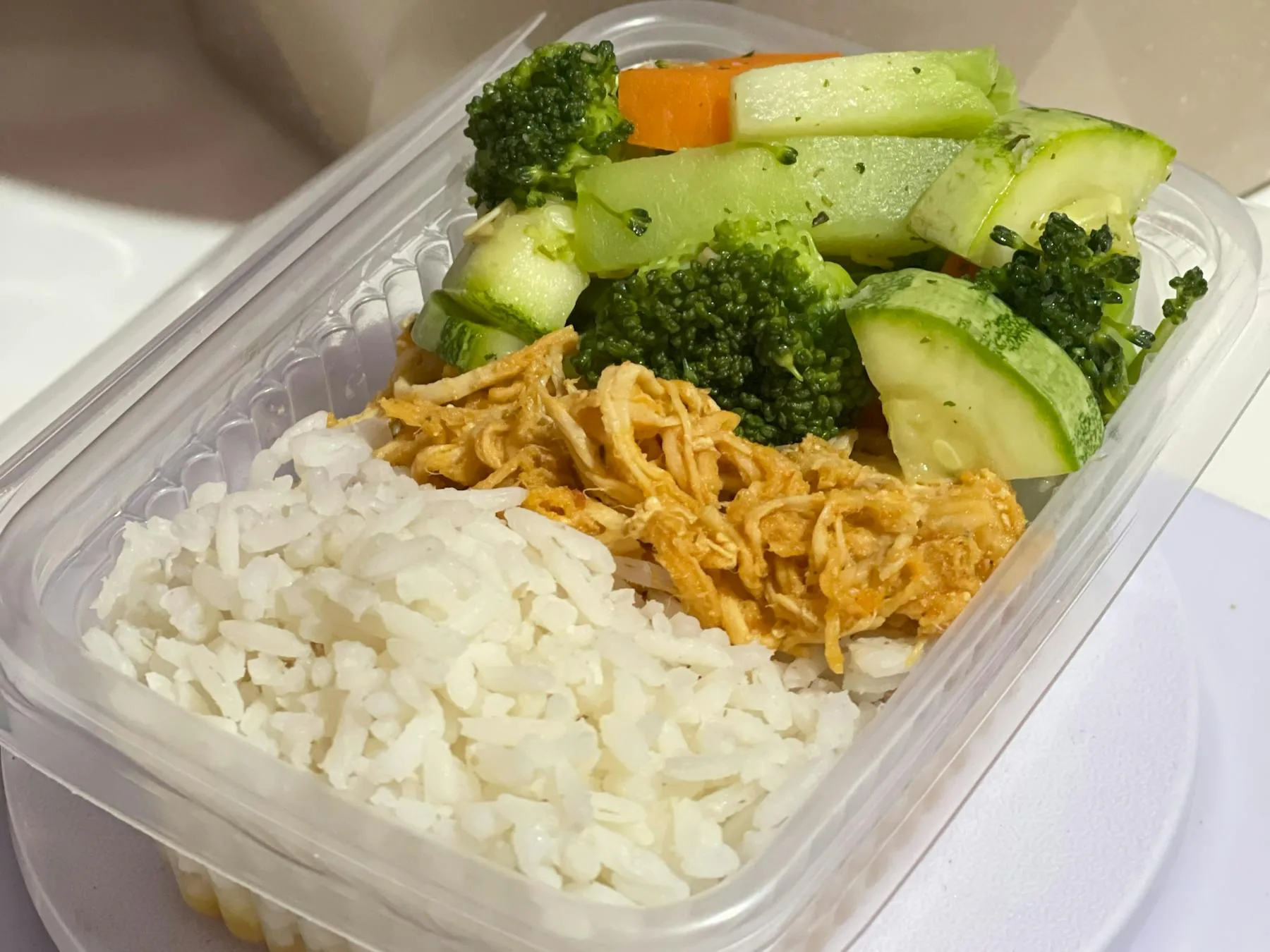
Protein at every meal. This one has an outsized impact relative to how simple it is. Protein keeps you fuller for longer, supports muscle while you're in a calorie deficit, and gives your meals a structural anchor. In a Korean food context, this looks like grilled fish or tofu in a set meal, eggs or yogurt in the morning, a chicken breast pack from the convenience store. If you finish a meal and there wasn't a clear protein source in it, that's the first thing worth fixing.
Portions before elimination. The instinct to cut things out — rice, carbs, anything that seems indulgent — usually backfires. You're left eating foods you don't enjoy, you feel deprived, and eventually you overcorrect. A more durable approach is adjusting how much you eat rather than what. Slightly less rice instead of no rice. One serving instead of two. Enough to create a consistent deficit without making every meal feel like a punishment.
Planned snacks instead of reactive ones. Unplanned snacking is where a lot of otherwise solid days fall apart — not because of one bad decision, but because hunger caught up faster than expected and the nearest option was a pastry or a sugary drink. Having a go-to snack already decided (boiled eggs, a protein drink, yogurt) and accessible during a long workday removes that moment of vulnerability entirely.
Navigating the Actual Food Environment Here
Generic nutrition advice tends to assume you're cooking most of your meals at home. That's rarely how life in Seoul works, and it's worth being specific about what good choices look like in the environments you're actually in.
Convenience stores are more useful than they get credit for. Chicken breast packs, boiled eggs, small salads, tuna pouches, protein drinks — these aren't exciting, but they're consistent and accessible at any hour. A practical combination for a quick meal: chicken breast or eggs, something with vegetables, and a small carb if you need it. That's enough.
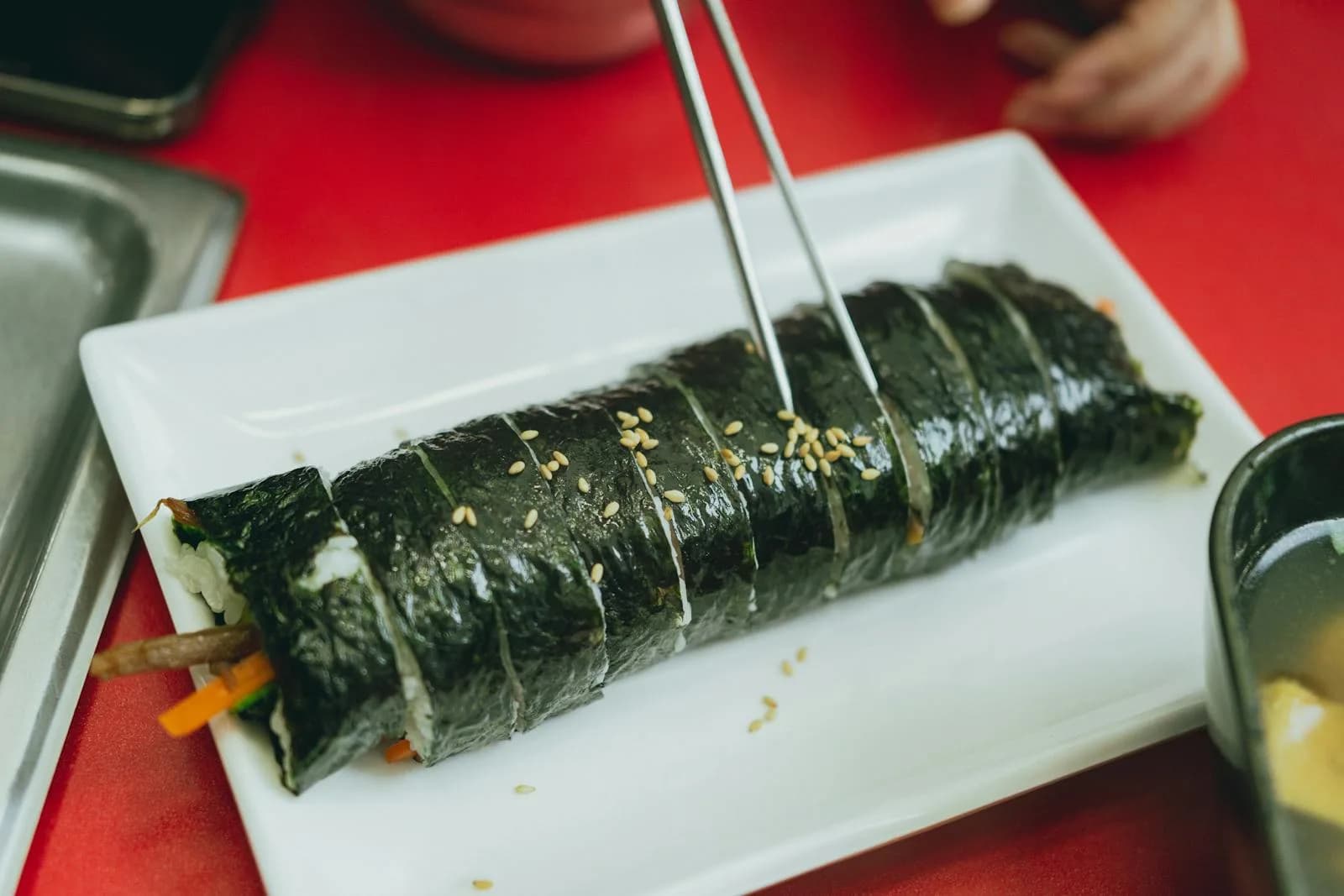
Kimbap is fine in moderation but worth being aware of — it's mostly rice with a thin stripe of filling, so the protein-to-carb ratio isn't particularly favorable. Instant noodles are the option to minimize, not because they're uniquely terrible, but because they're high in sodium and calories and low in anything that keeps you full.
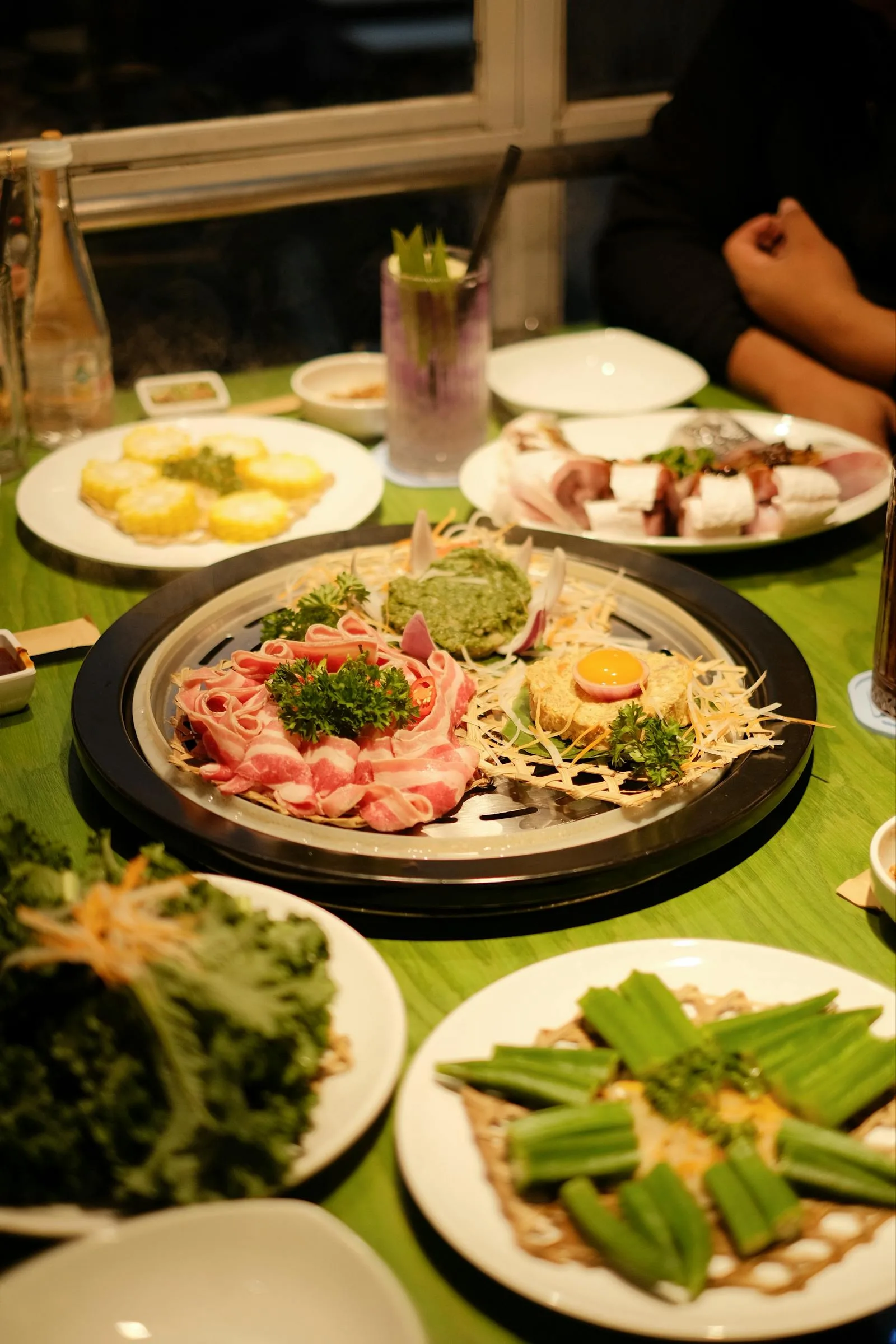
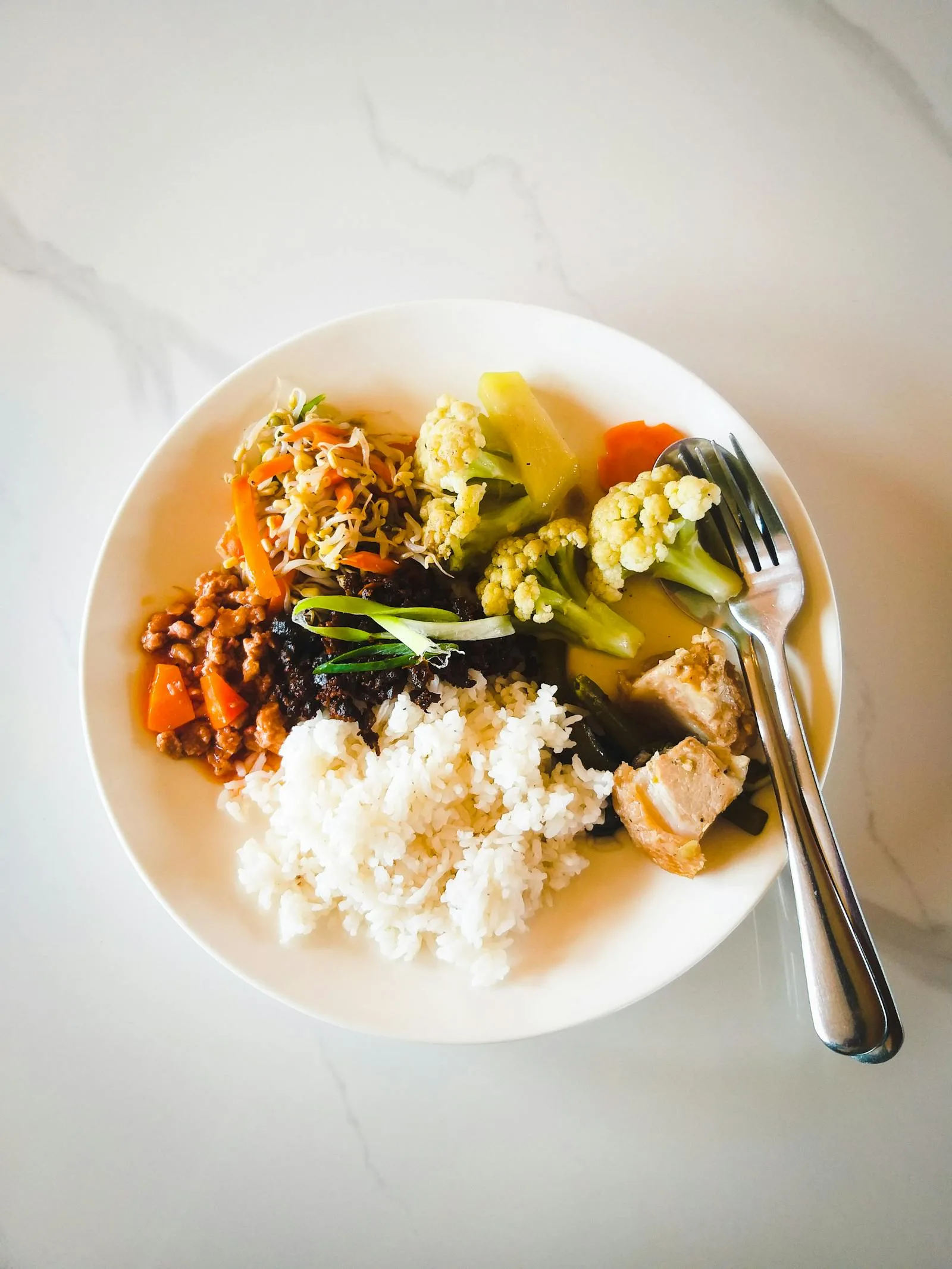
Korean restaurant meals don't need to be avoided or dramatically modified — just approached with a little awareness. Grilled and soup-based dishes are easier to work with than fried ones. Eating more of the protein and vegetable banchan and slightly less rice is an adjustment that requires almost no willpower once it becomes habit. Sauces add up faster than people expect, so being a bit more conservative there helps.
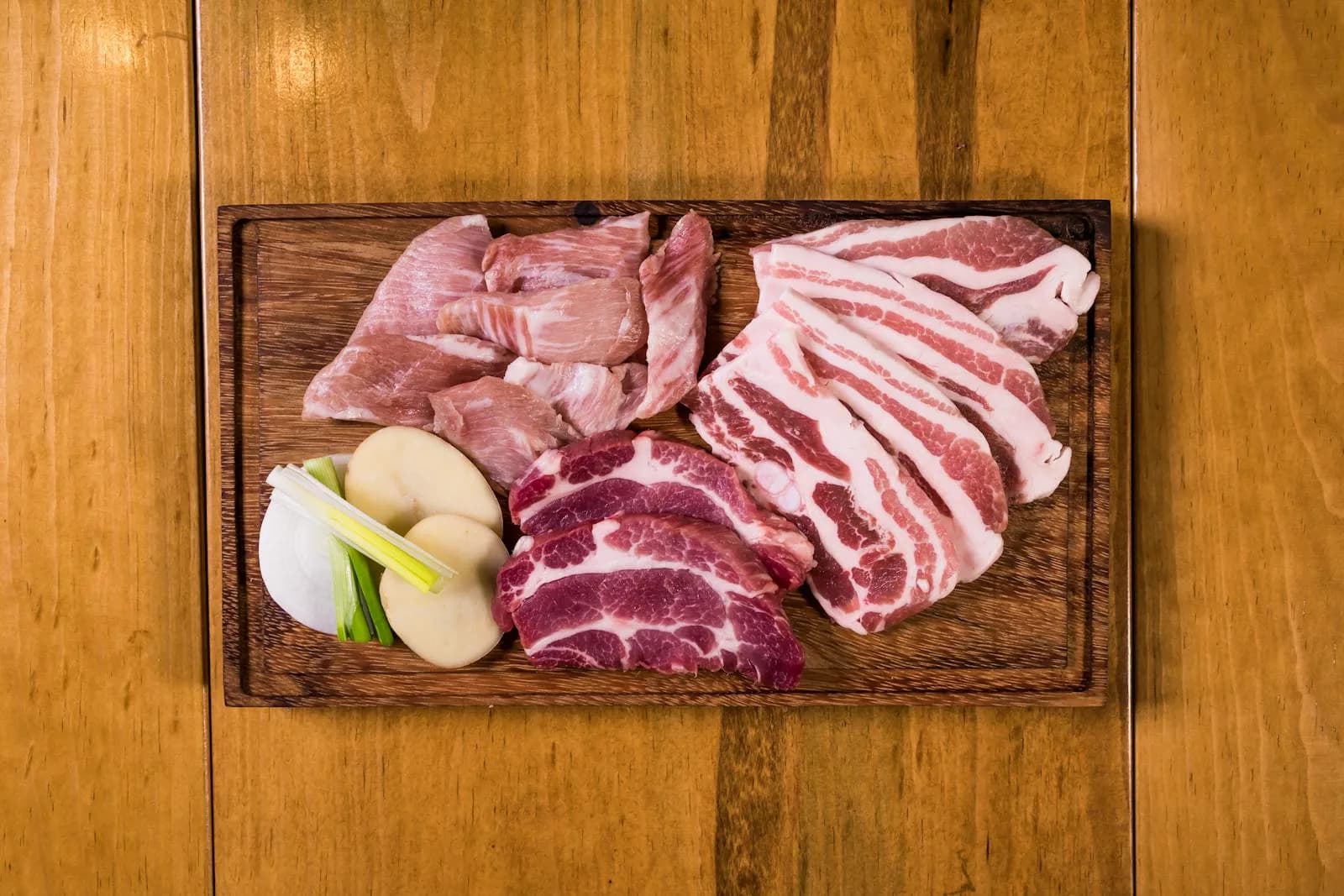
Samgyeopsal dinners aren't off the table — they just require being honest about how much meat you're actually eating, how the alcohol alongside it affects your food decisions, and what happens later in the evening. For a more detailed look at navigating alcohol: how alcohol can fit into dieting when frequency, portions, and food choices are managed realistically. Can You Drink Alcohol While Dieting
For more specific guidance across different restaurant types: how to make practical restaurant choices in Korea without treating every meal like a diet test. Diet Friendly Korean Restaurant Food
The Patterns That Quietly Undermine Progress
A few things come up again and again for people trying to eat better in Seoul.
Weekends unraveling the week. Consistent weekday habits followed by two days of unstructured eating — late breakfasts, large meals, alcohol, late-night food — can offset more progress than people realize. You don't need to eat the same way on Saturday as you do on Tuesday, but keeping the basic structure (regular meals, protein present, not skipping breakfast and then overeating at dinner) makes a noticeable difference.
Skipping meals to compensate. Eating less after a big meal sounds logical but usually leads to excessive hunger later in the day, which makes the next decision harder. Returning to a normal eating pattern quickly is almost always more effective than restriction.
Relying on willpower in a high-temptation environment. Seoul is full of food. Good, convenient, inexpensive food at every corner, in every building, available at midnight. Willpower works for a while and then it doesn't. The more effective strategy is making the better option easier to access than the worse one — keeping snacks ready, deciding what you're eating before you're hungry, not walking into a convenience store starving with no plan.
Overcomplicating it. The more rules a diet has, the more ways there are for it to fail. Most people who make consistent progress are doing something genuinely simple: enough protein, reasonable portions, some structure around snacks and alcohol, and similar habits across the whole week.
Five Things Worth Starting This Week
If the above feels like a lot, start here and add nothing else:
- Include a clear protein source in every meal.
- Reduce rice slightly rather than cutting it out.
- Decide on one or two daily snacks in advance and keep them accessible.
- Drink water before meals.
- Keep roughly the same structure on weekends as weekdays.
That combination, done consistently, will do more than any specific diet plan applied intermittently.
For more on how much protein you actually need: how much protein you need when training regularly depends on body size, goals, and how consistently you can eat across the week. Protein Intake For Training
FAQ
What nutrition habits actually move the needle for fat loss?
Consistent protein intake, portion awareness, planned eating rather than reactive snacking, and maintaining similar habits across the full week — including weekends. These matter more than any specific food choice or diet approach.
Do I need to track calories?
Not necessarily. Many people do well with portion awareness and consistent food habits without tracking anything. Calorie counting can be a useful tool, but it's not required — and for some people, it creates more stress than it resolves.
How do I eat well while still enjoying Korean food?
Keep the food, adjust the balance. More protein and vegetables, slightly less rice, awareness of sauces and alcohol. Korean cuisine has plenty of options that are naturally well-structured — grilled fish sets, tofu dishes, soup-based meals. The goal is to navigate it sensibly, not avoid it.