Beef vs Pork Nutrition for Korean BBQ Diet Choices
Compare beef and pork nutrition for Korean BBQ, fat loss, and muscle gain. Learn how cuts, portions, sauces, and rice change the better choice.
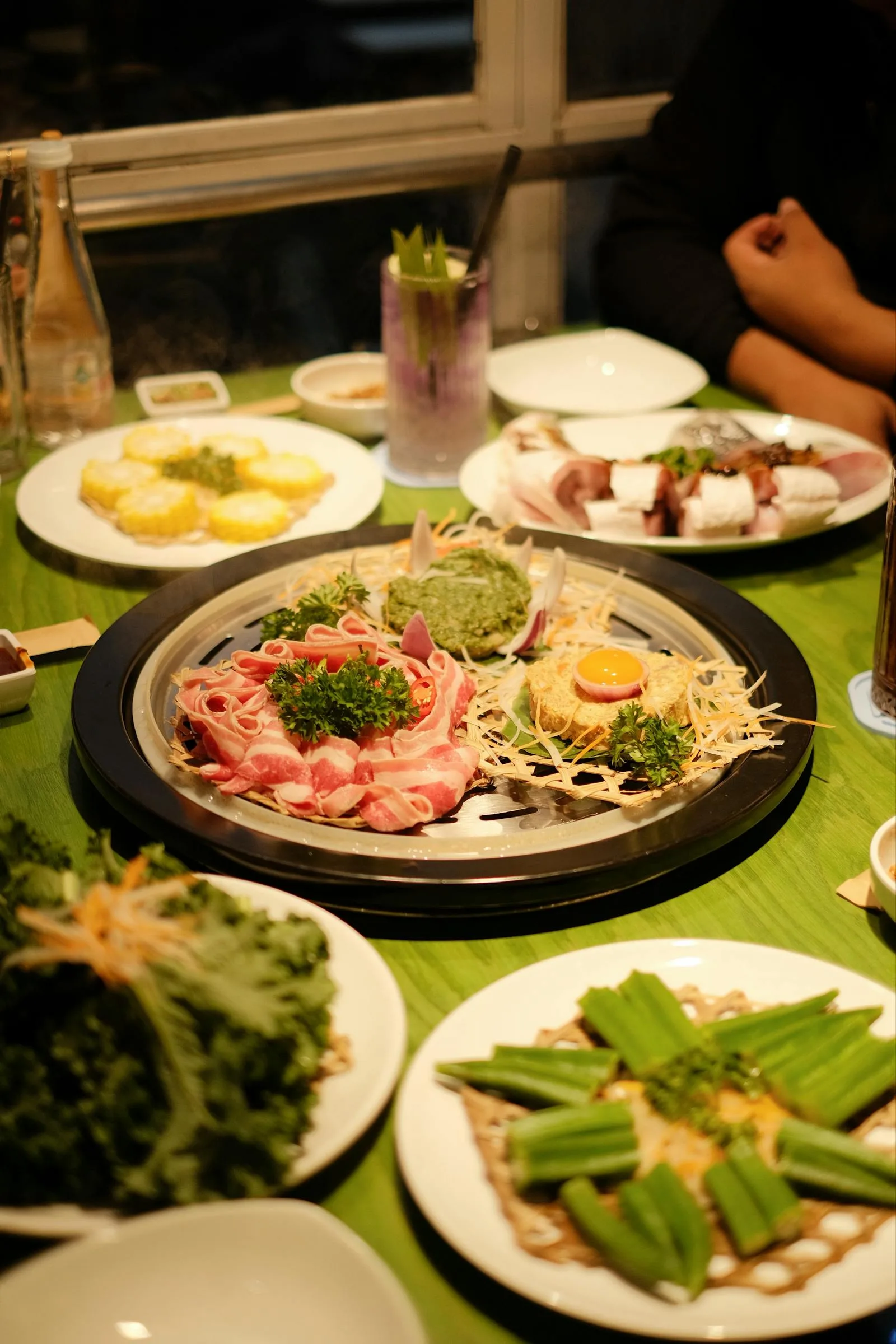
You're at a Korean BBQ with friends, the grill is hot, and someone asks the usual question: beef or pork? If you're trying to eat better, lose fat, or build muscle, that question can start to feel more loaded than it should.
When people compare beef vs pork nutrition, the real difference usually comes down to cut, fat content, portion size, and the rest of the meal. The honest answer is that the beef vs pork debate matters a lot less than most people think — and the details that do matter are pretty simple once you know what to look for. This guide breaks down the real nutritional differences, walks through the cuts you'll actually encounter here, and helps you make confident choices without turning every meal into a mental exercise.
If you are eating out in Seoul while trying to train consistently, this guide pairs well with our diet-friendly Korean restaurant food guide and our private personal training in Seoul page.
The Short Answer
There's no clear winner. Both beef and pork can support fat loss and muscle gain — it depends far more on the specific cut and how it's prepared than on the animal itself.
Lean beef tends to offer slightly higher protein per calorie, but lean pork is genuinely close. Fatty cuts of either can be high in calories. In practice, the more useful question isn't "beef or pork?" — it's "which version of each am I actually eating?"
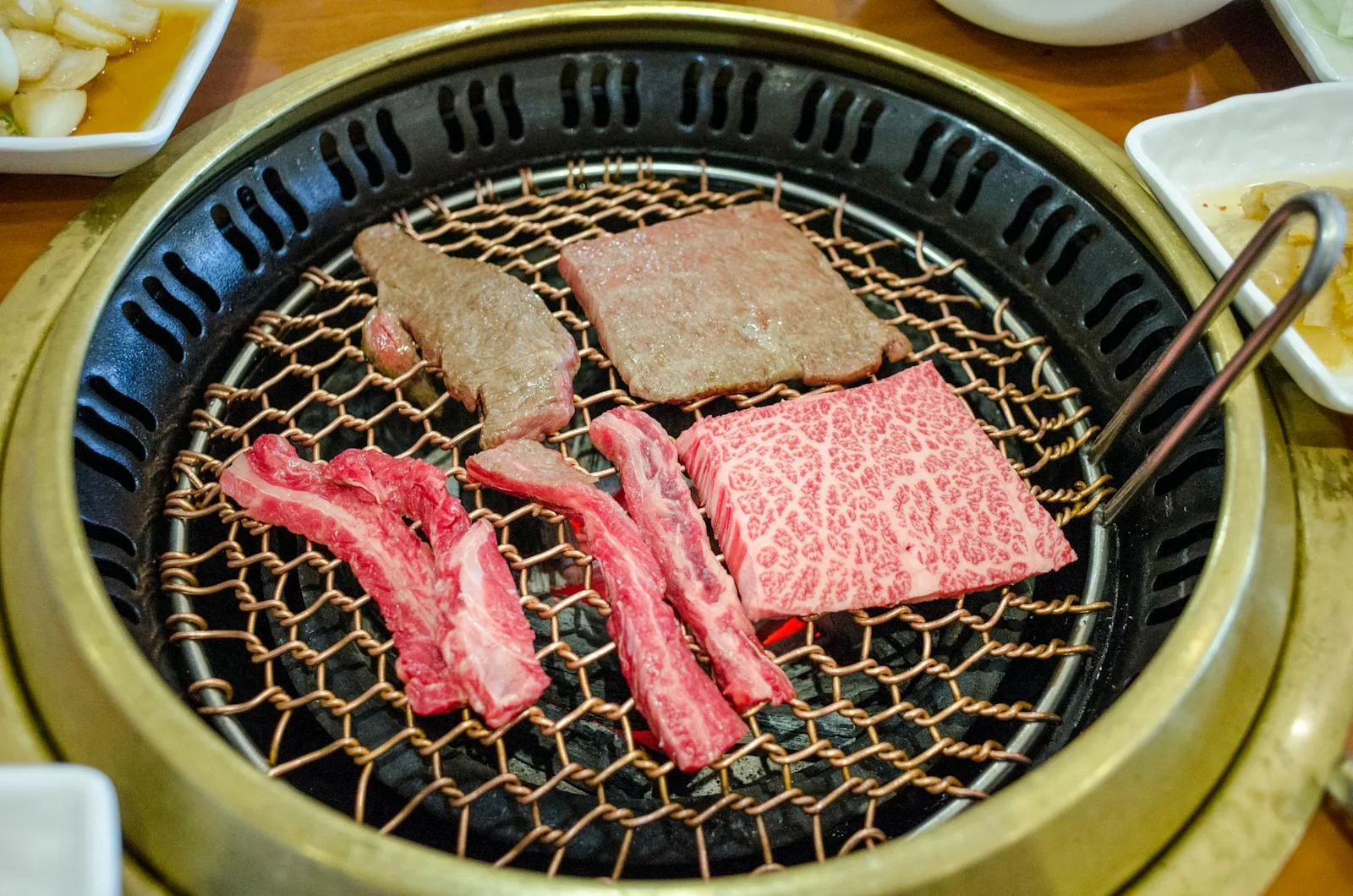
What Actually Matters Nutritionally
When you're evaluating meat for fat loss or muscle gain, three things are worth paying attention to.
Protein content. Both are high-quality protein sources. Lean beef edges ahead slightly per calorie, but lean pork is comparable enough that the difference rarely matters in practice. What matters more is whether your total daily protein is consistent.
Fat content. This is where the real variation shows up — and it's significant. Some cuts, like samgyeopsal, are very high in fat. Others, like pork loin or lean beef sirloin, are much more manageable. Fat isn't inherently a problem, but it's calorie-dense, and it's easy to overshoot your intake without noticing, especially in a shared-meal setting.
Satiety and meal structure. How satisfying a meal feels depends on the full picture — not just the meat. Meals that combine protein with vegetables and moderate portions tend to keep you fuller longer. At a Korean BBQ table, that balance is mostly in your hands.
For a deeper look at protein needs, it helps to remember that body size, training frequency, appetite, and total daily intake matter more than one perfect food choice. Protein Intake For Training
The Cuts You'll Actually Encounter in Korea
The beef vs pork question looks pretty different in a Seoul context than it does on a nutrition label.
Pork options
Samgyeopsal is everywhere for a reason — it's delicious. But it's also one of the fattier cuts you'll come across, and when you factor in alcohol, rice, and banchan, the calories add up faster than expected. That doesn't mean avoiding it, just being aware.
Pork loin (등심) is a much leaner option and nutritionally solid, though it tends to show up less in social BBQ settings. Worth seeking out if you're cooking at home or have the choice.
Beef options
Beef generally offers more variety in lean cuts. Sirloin and similar selections can be relatively balanced, and portion sizes at restaurants often trend smaller than with pork, which naturally helps with overall intake. That said, heavily marbled premium cuts can be just as calorie-dense as fatty pork — the label "beef" doesn't automatically mean diet-friendly.
Convenience store and everyday meals
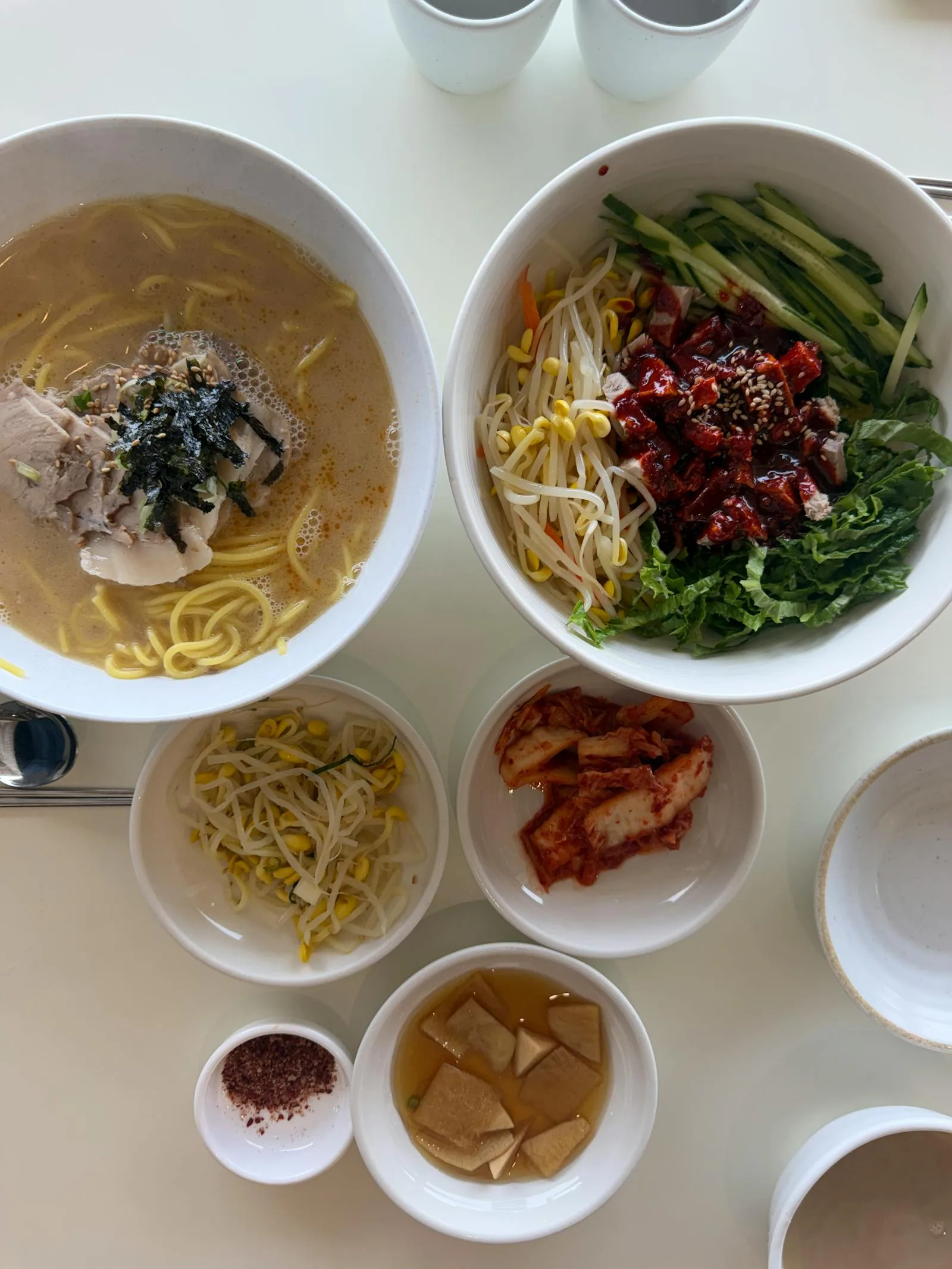
Outside of BBQ, both proteins show up in rice boxes, salads, and ready-made meals. Here, the meat itself often matters less than the sauces and portion sizes around it. A pork-based meal with vegetables and reasonable portions can be a perfectly good choice; a beef-based meal drowning in sauce and rice can easily undermine your goals.
For eating out in Korea, the useful habit is not memorizing perfect foods. It is learning how to spot protein, portion size, sauce, alcohol, and rice balance quickly.
Common Mistakes — and Simpler Ways to Think About It
A few patterns come up again and again for people trying to manage their diet while living here.
Assuming pork is always the bad choice. The reputation mostly comes from samgyeopsal, which is genuinely high in fat. But lean pork is a solid, diet-friendly option. The cut matters far more than the animal.
Assuming beef is always the safe choice. Some beef cuts are just as calorie-dense as fatty pork. Choosing beef doesn't automatically make a meal lighter.
Focusing on the meat and ignoring everything else. At a Korean BBQ, the protein is often the least problematic part. Rice, dipping sauces, and alcohol can contribute more calories than the meat itself.
Overcorrecting with restriction. Trying to avoid all the "wrong" foods usually backfires — especially in a culture where shared meals and social eating are genuinely important. Small, sustainable adjustments work better than rules that collapse the first time someone orders samgyeopsal.
For a broader perspective, the same principle applies to most nutrition habits: simple rules that survive real meals are more useful than strict rules that only work at home. Fat Loss Nutrition Habits
Practical Rules You Can Use This Week
You don't need a perfect system. A few habits make a real difference:
- Choose leaner cuts when you have the option. Visibly less fatty is usually a good enough guide.
- Manage portions before worrying about cut type. A moderate amount of a fattier cut is often better than overeating a lean one.
- Balance your plate. More vegetables, moderate rice — especially at dinner.
- Think in frequency, not prohibition. BBQ once or twice a week can fit comfortably into most goals. Daily high-fat meals are harder to manage, but an occasional one isn't going to derail anything.
- Stay realistic. You're living in Korea, where food is social and meals are shared. The goal is to navigate that well — not to opt out of it.
Beef vs Pork: A Practical Comparison
- Protein: lean cuts of both provide useful high-quality protein; the practical difference is usually small.
- Calories: visible fat and portion size matter more than whether the meat is beef or pork.
- Korean BBQ: pork loin and lean beef are easier to fit into a lighter meal than samgyeopsal or heavily marbled beef.
- Best choice: choose the cut and portion that fit the whole meal rather than treating one animal as automatically healthier.
FAQ
Is beef or pork better for dieting?
Neither is inherently better. Lean cuts from both work well for dieting. What matters most is portion size, fat content, and how the rest of the meal is structured.
Which Korean BBQ cuts are easiest to work with on a diet?
Leaner options like beef sirloin or pork loin are generally easier to manage. Fatty cuts like samgyeopsal can still fit in — they just need a bit more portion awareness around them.
Is pork bad for muscle gain?
Not at all. Pork protein supports muscle gain just as effectively as beef. Total daily protein intake and consistency matter far more than which animal it came from.
The beef vs pork question gets a lot simpler when you shift focus from the protein source to the cut, the portion, and the meal around it. Get those right most of the time, and the rest takes care of itself.
Train With BODY SMITH