How to Build Muscle Mass Without Overcomplicating It
Building muscle does not need to be complicated. Learn how progressive training, protein, recovery, and consistency matter more than perfect routines.
Search "how to build muscle" and you'll find an overwhelming amount of advice — specific rep schemes, meal timing rules, program templates, conflicting takes on everything. Most of it creates confusion rather than progress.
Here's what's actually true for most beginners: the problem isn't doing too little. It's trying to do too much at once, or switching approaches before anything has had time to work. Muscle growth doesn't require advanced techniques. It requires a few principles applied consistently — in a way that actually fits into a real week in Seoul.
What Muscle Growth Actually Needs
Muscle grows when your body is given a reason to adapt and enough resources to do it. That's the whole mechanism.
The reason to adapt is progressive overload — gradually asking your muscles to do a little more over time. More weight, more reps, or better control of the same movement. It doesn't need to be dramatic. Small, consistent increases compound into real change.
The resources are protein, calories, and sleep. Protein supports repair. Calories provide the energy for growth. Sleep is when the actual adaptation happens. If any of these are consistently missing, progress slows — not because the program is wrong, but because the conditions for growth aren't fully there.
Most people who aren't seeing results are missing one of those two things. Either they're not creating enough of a stimulus, or they're not giving their body what it needs to respond.
The Habits That Actually Get in the Way
A few patterns come up repeatedly — and they're worth naming directly, because they're easy to fall into.
Switching workouts too often. Muscle growth depends on repeating movements long enough for your body to adapt to them. Changing exercises every session resets that process. You end up constantly learning rather than progressively improving.
Chasing intensity over consistency. One brutal session followed by a week off is less effective than moderate, repeatable training done regularly. The body adapts to what it experiences consistently, not occasionally.
Overcomplicating nutrition. Trying to hit exact macros every day tends to create stress and inconsistency. Missing protein on one day matters far less than failing to maintain a general pattern across weeks.
Training without any structure. Without a basic plan, sessions become random. Random effort produces random results — and rarely leads to the kind of progressive overload that actually drives muscle gain.
These patterns are especially common in a busy Seoul lifestyle, where time and energy vary a lot from day to day. The fix isn't more complexity. It's a simpler system that holds up even when things get busy.
What a Realistic Week Actually Looks Like
Two to four sessions per week is enough for most beginners. The key isn't frequency — it's making those sessions repeatable.
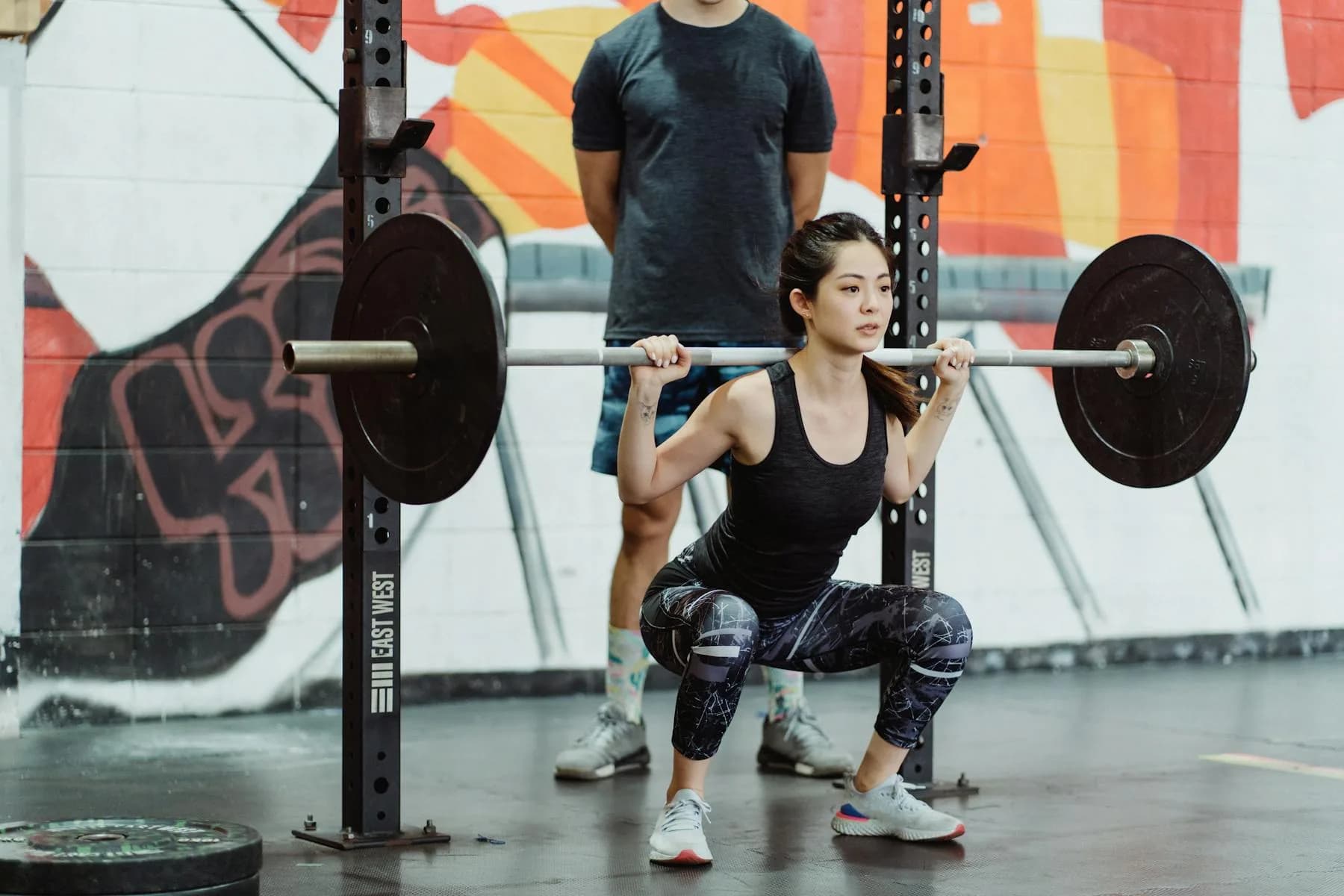
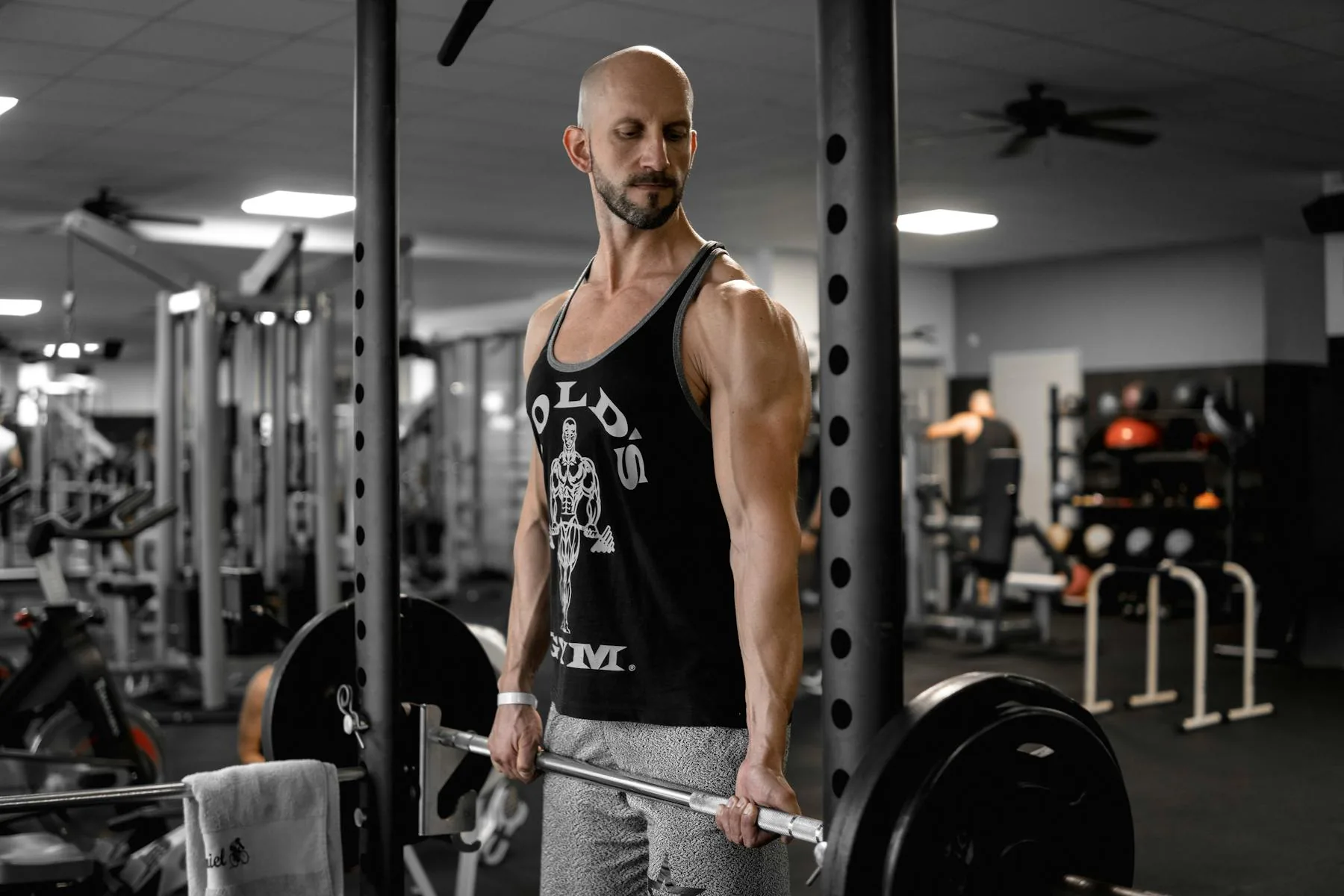
Keep exercise selection simple. A small number of movements done consistently will outperform a long rotating list every time. Something like: a squat or leg press, a deadlift variation, a push movement, and a pull movement. That's a complete enough framework to build from.
A realistic beginner week might be two full-body sessions and one lighter session: lower-body strength, push and pull work, then a simpler day focused on technique, conditioning, or repeatable accessories. The exact split matters less than whether the same patterns show up often enough to improve.
Progression doesn't need to be dramatic. Each week, aim for something small — a bit more weight, one more rep, or slightly better control of the same movement. That's the process. It's not exciting, but it works.
On nutrition, you don't need to bulk aggressively. A modest calorie increase combined with consistent protein intake is usually enough — especially for beginners, who tend to respond well even without optimized conditions. For a more detailed breakdown, see how protein intake for training changes by body size, training frequency, appetite, and daily routine.

How to Tell If It's Working
Progress in the early stages is often subtle, which makes it easy to assume nothing is happening when it actually is.
The clearest early signal is strength. If you're gradually lifting more, or moving with more confidence and control, your body is adapting — even if the mirror hasn't caught up yet. Changes in how clothes fit often show up before visual muscle definition does. And simply maintaining a consistent routine without restarting is itself a meaningful signal that something is working.
Visible changes take time — often weeks to months. But performance improvements tend to come earlier. Paying attention to those keeps the process from feeling invisible.

Why Structure Helps More Than Motivation
For most beginners, the challenge isn't understanding what to do. It's doing it consistently when schedules shift, energy varies, and motivation fluctuates.
A structured environment removes a lot of that friction. You don't have to plan each session from scratch, decide what to do when you're already tired, or figure out whether you're progressing. The structure handles it. You just show up.
At BODY SMITH, sessions are organized so that the training builds on itself week to week — boxing and strength work combined in a format that creates a repeatable rhythm rather than random effort. For people managing a full schedule in Seoul, that predictability makes consistency significantly easier to maintain.
For more individual guidance: Seoul Personal Training
FAQ
How long does it take to build visible muscle?
For most beginners, noticeable visual changes take several weeks to a few months. Strength improvements tend to come earlier — and those are worth tracking even before the mirror catches up.
Do I need to bulk to gain muscle?
No. A large calorie surplus isn't required. Many people build muscle effectively with a modest calorie increase and consistent training — aggressive bulking often just adds unnecessary fat alongside the muscle.
What matters more — protein, training, or sleep?
All three, and they work together. Training provides the stimulus, protein supports recovery, and sleep is when adaptation actually happens. Consistently missing any one of them slows the process down.
Train With BODY SMITH