Strength Training for Fat Loss: Why Lifting Still Matters
Strength training supports fat loss by preserving muscle and improving long-term progress. Learn why lifting still matters when weight loss is the goal.
If you're trying to lose weight, the instinct is usually to focus on cardio and eating less. Strength training feels optional — something to add later, once the weight is already gone.
But strength training for fat loss plays a different role than most people expect. It doesn't replace diet or promise faster results on the scale. What it does is change what you're actually losing — and that affects how your body looks, how you feel, and how sustainable the whole process becomes.
What You're Actually Losing Matters
Weight loss isn't just about the number going down. It's about what that number is made of.
When you lose weight, you can lose fat, muscle, or water — usually some combination of all three. The ratio depends significantly on how you're training. Without resistance training, the body has little reason to hold onto muscle during a calorie deficit. With it, muscle retention improves — and that changes everything downstream.
Muscle influences how your body looks at any given weight, how strong and capable you feel day to day, and how stable your routine becomes over time. This is why two people can lose the same amount of weight and end up looking completely different. The difference is usually how much muscle they held onto along the way.
For a deeper breakdown of this, body recomposition is the slower process of changing fat and muscle trends over time.
The Assumptions That Slow People Down
A few common starting points tend to work against people even when the effort is real.
"Cardio is enough." Cardio supports calorie expenditure, but it doesn't signal the body to retain muscle. Without some form of resistance training alongside it, weight loss tends to come with more muscle loss than necessary.
"I'll add strength training after I lose the weight." The early stages of a calorie deficit are actually when muscle retention matters most. Waiting means losing more of it during the period when it's hardest to rebuild.
"I don't want to get bulky." Building significant muscle size requires a calorie surplus, consistent progressive training, and time — usually more of all three than people expect even when they're actively trying. Most beginners doing two to four sessions a week while eating in a deficit will get stronger and more defined, not bigger.
"More exercise means faster results." Adding sessions without structure or recovery tends to reduce consistency rather than accelerate progress. A repeatable moderate routine outperforms an aggressive one that breaks down.
What a Simple Weekly Structure Looks Like
You don't need a complex program to get the benefits of strength training during fat loss. A small number of repeatable movements, done consistently, is enough.
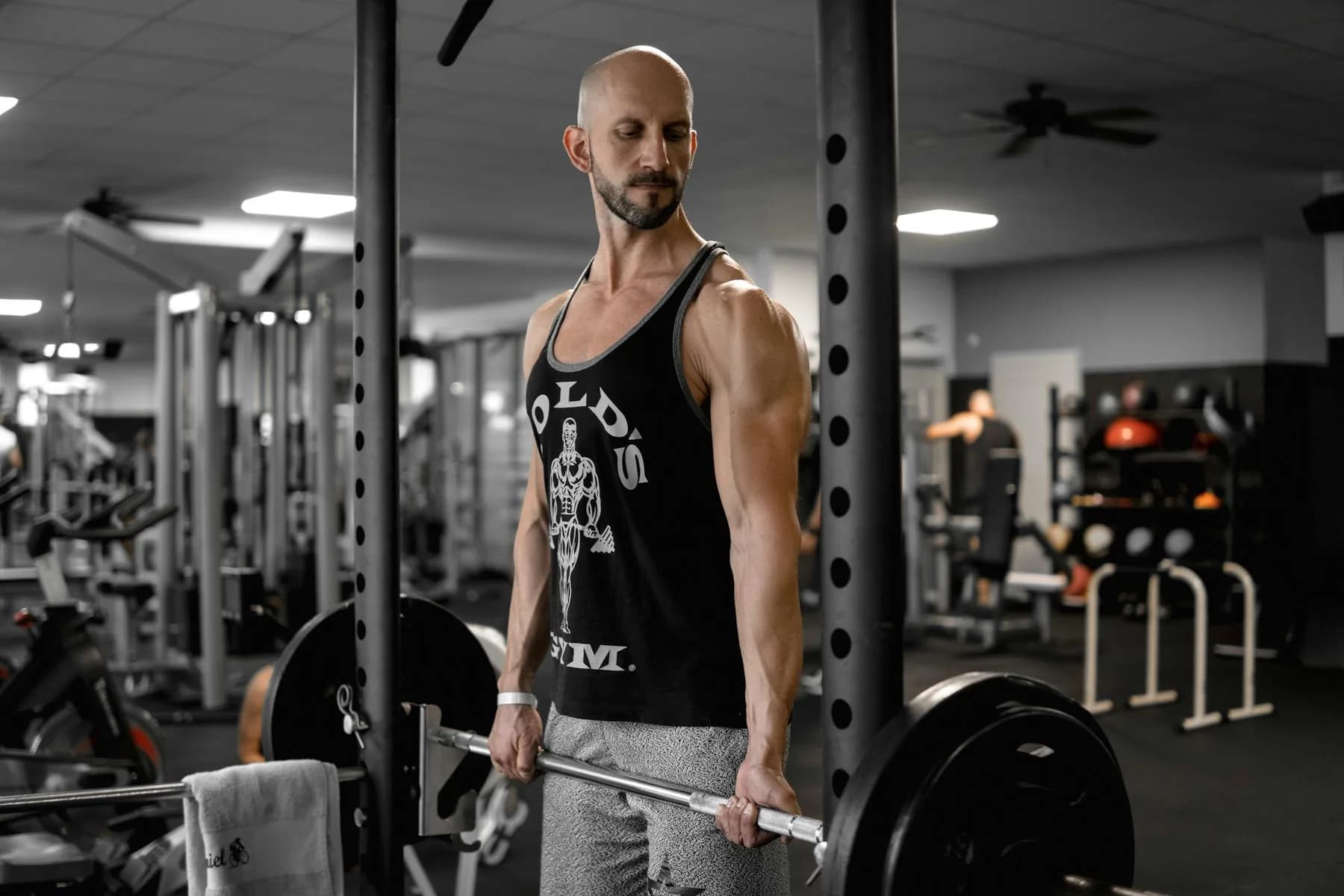
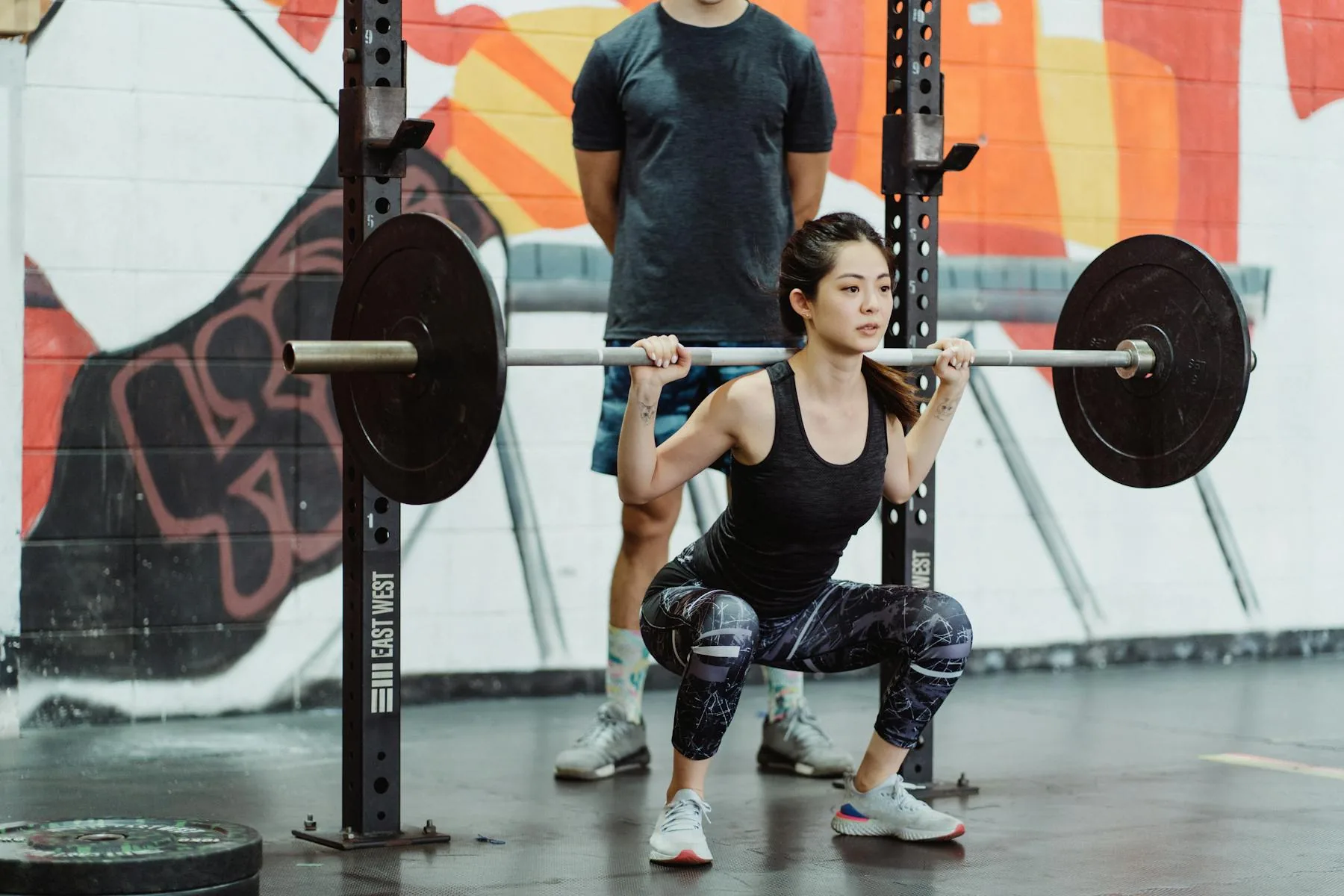
Two to four sessions per week covering the main movement patterns — a lower body movement like a squat or leg press, an upper body push, an upper body pull, and a hinge like a deadlift variation — gives you a complete enough framework to build from. The goal each week isn't to maximize effort. It's to show up consistently and make small, gradual improvements: a bit more weight, slightly better control, more consistent execution.
In a busy Seoul lifestyle, simplicity and repeatability matter more than variety. A routine you can maintain across a full week — including late nights and packed schedules — will produce better results than a more sophisticated one that regularly gets skipped.

What Progress Actually Looks Like
Strength training during fat loss doesn't always show up immediately on the scale — which is one reason people underestimate it.
The more reliable early signals are strength staying stable or improving, movement feeling more controlled, and training sessions becoming more consistent. Clothes fitting differently, feeling stronger during daily activities, and experiencing less fatigue during workouts often show up before any visible change in the mirror.
These aren't secondary benefits. They're indicators that the process is working the way it's supposed to — body composition shifting even when the scale is moving slowly.
Where Structure Makes This Easier
For most beginners, the challenge isn't understanding what to do. It's doing it consistently enough for it to matter.
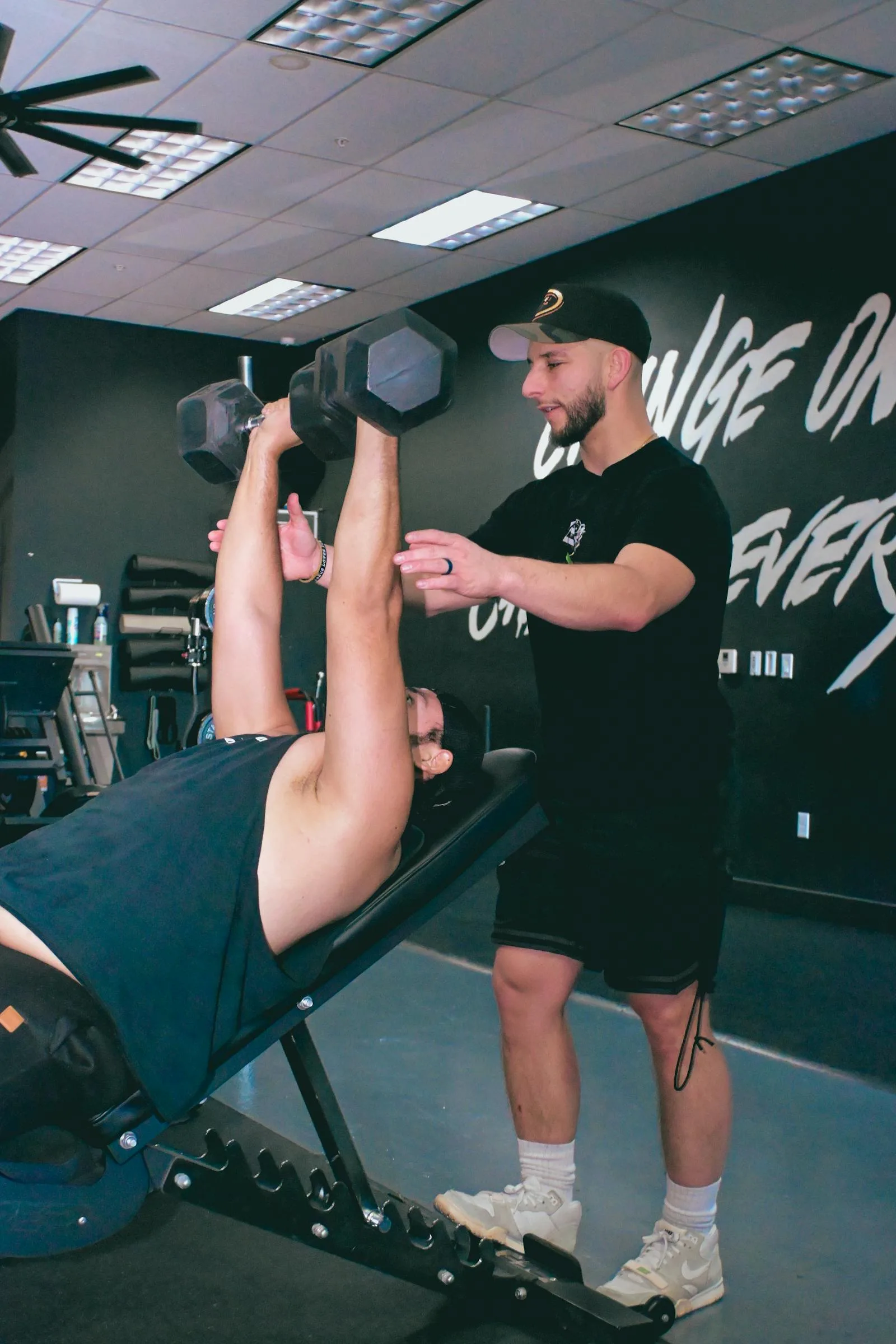
A structured environment removes the friction of planning — you don't have to decide what to do when you're already tired, figure out whether you're progressing, or rebuild motivation from scratch each week. The session format is already there. You just show up.
At BODY SMITH, strength work is integrated with conditioning in a repeatable weekly format, which helps maintain balance without requiring constant planning. For people managing an already full schedule in Seoul, that predictability tends to be the difference between a routine that holds and one that doesn't. For a more individually guided approach: Seoul Personal Training
The fear is understandable, but the process does not work that way
Strength training is often misunderstood because the visible outcomes people associate with it are extreme cases.
When you see someone with a highly muscular build, you’re looking at the result of years of specific training, structured nutrition, and deliberate effort toward that goal. That outcome doesn’t happen accidentally.
For most beginners, the first phase of resistance training for beginners looks very different.
You are learning how to move. You are building coordination between muscles that haven’t been trained together before. You are improving how your body handles basic load—standing, lifting, stabilizing.
Nothing about that process leads quickly or automatically to a bulky appearance.
What it does lead to is control.
A coach's reality check for your first 4–6 weeks
The first month for beginners training in Korea is less about transformation and more about familiarity.
You will repeat movements that feel simple but unfamiliar. You will focus on form more than intensity. Some sessions will feel easy, others awkward.
Progress will not always be visible in the mirror.
Instead, it shows up in small ways:
- A movement that felt unstable now feels controlled
- A weight that felt heavy now feels manageable
- A session that felt confusing now feels predictable
This is where many people stop too early. Not because it isn’t working, but because it doesn’t match the expectation of fast, visible change.
In structured environments, having guidance during this phase can make it easier to stay consistent. For example, some people find that working with a coach—even briefly—helps them understand how to move correctly and what to expect from each session. This is one way to approach it: Seoul Personal Training
But whether you train on your own or with support, the principle stays the same.
Strength builds quietly at first.
That quiet progress matters. If you work long hours in Seoul, sit through a commute, and then try to train after work, the first win is not looking different immediately. It is walking into the gym with a clearer plan, repeating the same basic movements with better control, and leaving with enough energy to come back again later in the week.
FAQ
Should I lift weights if my main goal is weight loss?
Yes. Strength training helps retain muscle during a calorie deficit, which shapes how your body looks as weight comes off and makes the result more sustainable long-term.
Will strength training make me bulky?
No. Building noticeable muscle size requires a calorie surplus and sustained progressive training over time — conditions that don't apply to most people in a fat loss phase. The more likely outcome is becoming stronger and more defined.
How often should beginners do strength training?
Two to four sessions per week is enough for most people. Consistency matters far more than volume, especially early on.
Train With BODY SMITH