Pilates vs Yoga Difference: Which One Actually Fits Your Goal?
Pilates and yoga can both help, but they train different qualities. Learn how strength, mobility, breathing, and goals affect the better choice.
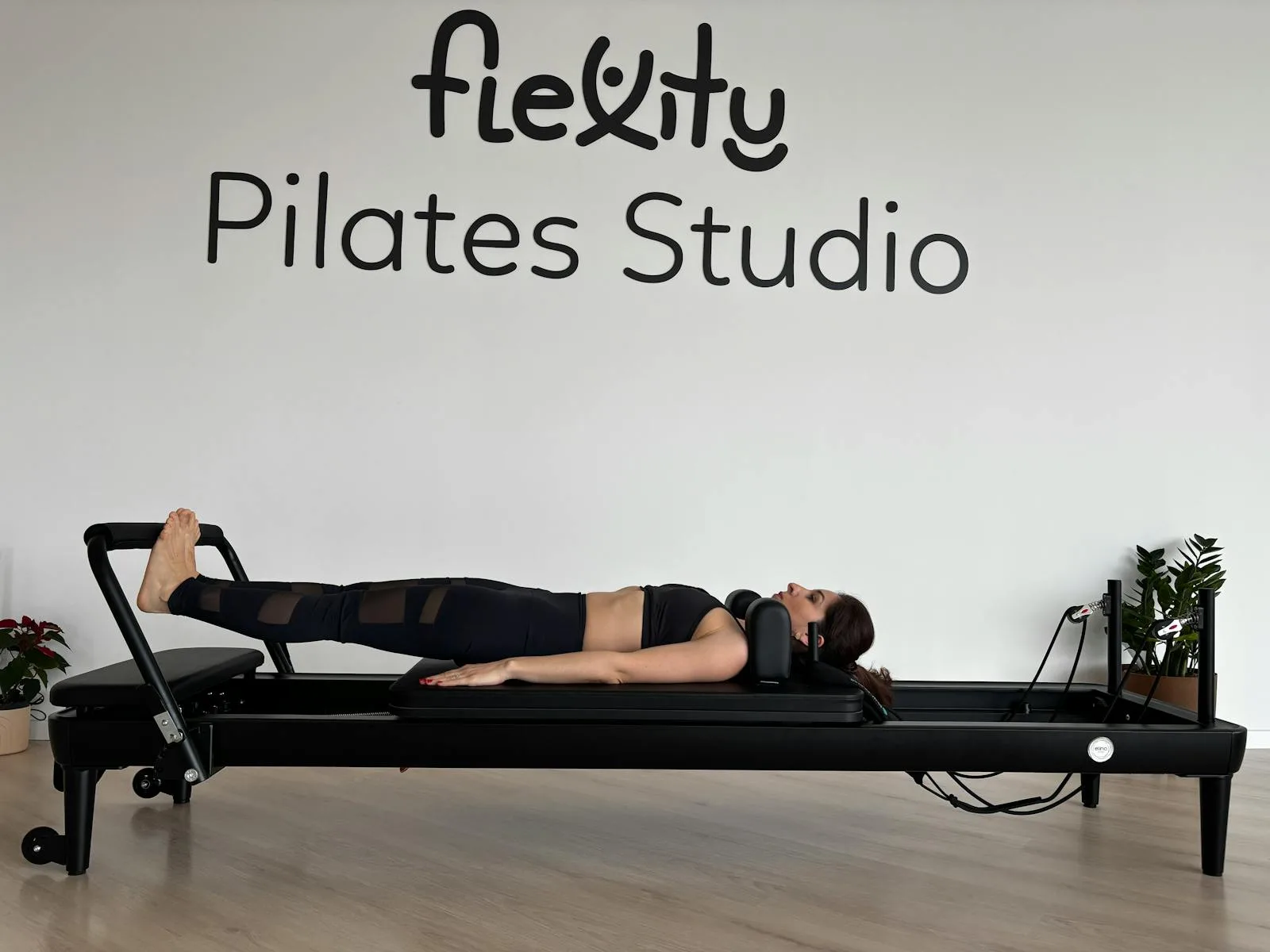
When people compare pilates and yoga, the question is rarely which one is objectively better. It's which one actually fits what they're trying to get out of training. Both are popular in Seoul, both look similar from the outside — controlled movement, low impact, focused sessions — and both get recommended to beginners looking for something structured but not overwhelming.
The confusion is understandable. But the purpose behind each is different enough that choosing the wrong one for your goal tends to produce the wrong kind of progress. Understanding that difference makes the decision a lot cleaner.
The Actual Difference
The distinction isn't about difficulty — it's about what each method is trying to develop.
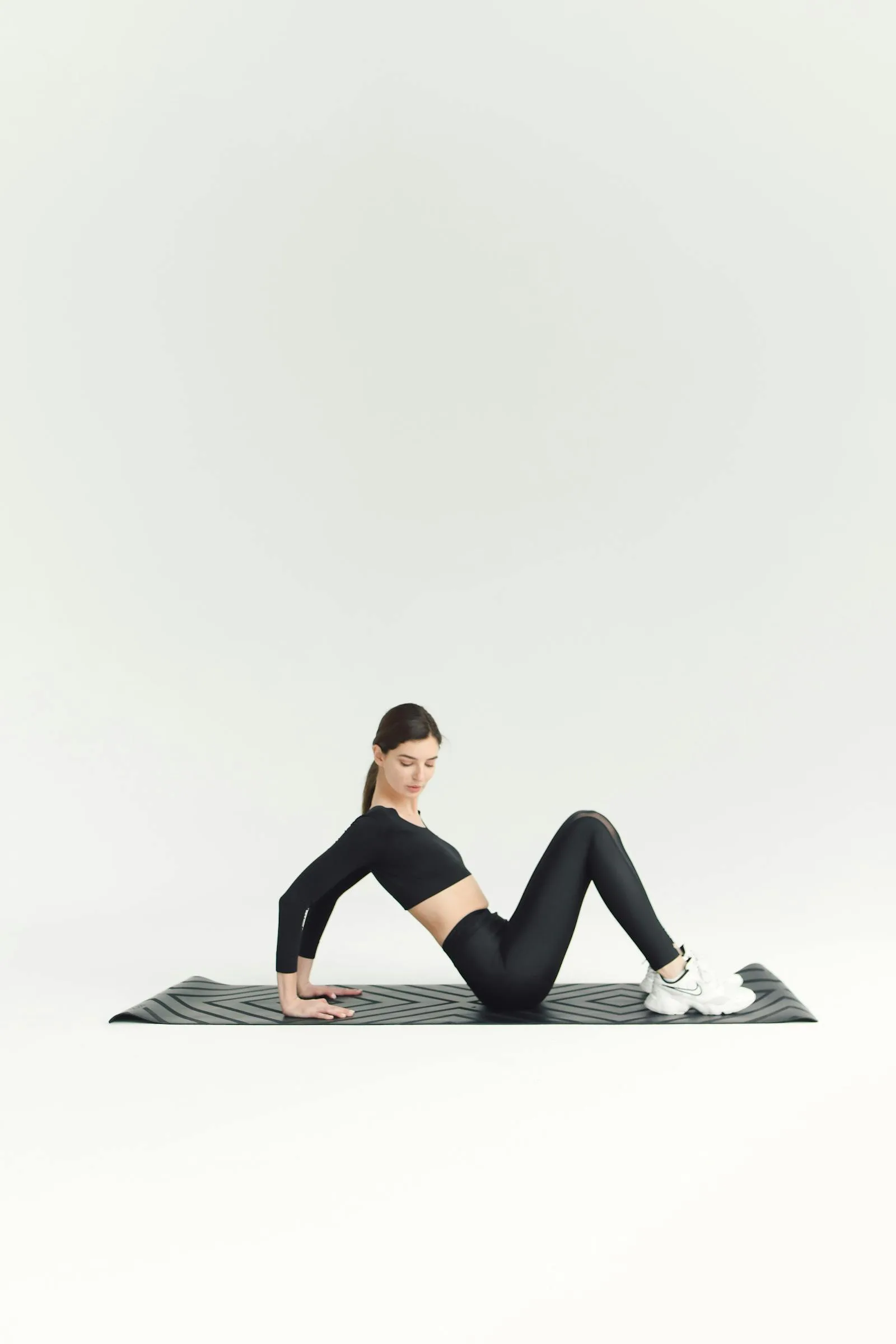
Yoga is primarily oriented around mobility, flexibility, breath control, and mental focus. A yoga class typically emphasizes flow, stretching through poses, and a quality of presence in the session. The physical benefits are real, but the underlying intent is often as much about stress reduction and body awareness as it is about strength.
Pilates is more specifically focused on core strength, stability, and postural alignment. Sessions tend to be slower and more precise — less about moving through poses and more about controlled muscle engagement, particularly through the trunk. The physical demand can be significant, even if it doesn't look that way from the outside.
They can feel similar in a given session. But what each is actually building over time is different, and that's what should drive the choice.
Why People Often Choose Based on the Wrong Thing
Most people don't pick between pilates and yoga based on training outcome. They pick based on what sounds right for them — which often leads to a mismatch.
"I want something relaxing" usually points people toward yoga. That can be a good fit — but yoga classes vary enormously. Some styles are slow and restorative; others are physically demanding. The word yoga alone doesn't tell you what you're walking into.
"I want to tone without getting bulky" often leads people to pilates, based on the idea that it's a gentler alternative to strength training. Pilates does build strength — just in a specific, controlled way. It's not a lighter version of lifting; it's a different kind of training.
"I don't want to lift weights" makes both options appealing as alternatives. They're both valid approaches to movement and body control, but neither fully replaces progressive resistance training if building significant muscle or strength is the goal. Knowing that upfront saves a lot of time.
What Progress Actually Looks Like in Each
One source of frustration with both is expecting the wrong kind of result.
With yoga, progress tends to show up as improved flexibility and range of motion, better balance and breathing, and reduced physical tension and stress. It's often felt before it's seen — and it accumulates gradually rather than appearing in the mirror after a few weeks.
With pilates, progress shows up as stronger core engagement, better postural control, and more precise, stable movement. Again, the changes are real but tend to be functional before they're visual.
Neither produces rapid changes in body composition on its own. If noticeable changes in strength or body fat are the primary goal, additional resistance training will likely need to be part of the picture eventually.
If you're returning after a break and unsure where to start: how to restart exercise gradually after a long break without making the first weeks too aggressive. How To Start Exercising After A Long Break
How to Think About Each Within a Real Week
Rather than choosing one permanently right now, it helps to think about how each actually fits into your schedule and goals.
If stress relief, flexibility, or recovery is the primary focus, two to four yoga sessions per week — done consistently — tends to be more effective than sporadic practice. The benefit builds with regularity, not intensity.
If core strength and movement control are the priority, two to three pilates sessions per week with attention to technique and gradual progression tends to produce the most meaningful results. Speed and quantity matter less than precision.
Some people combine both — yoga for mobility and recovery, pilates for strength and control. This works well if the schedule allows it without sacrificing consistency in either.
Where Both Have Real Limits
Being clear about what these methods don't do well is as useful as knowing what they do.
For fat loss, both can support overall movement and consistency — but diet and total daily activity have a much larger impact. Neither is a primary fat loss tool on its own. For muscle gain, both build control and stability, but don't provide the kind of progressive overload needed to drive significant muscle growth. For maximal strength, they improve certain aspects — particularly stability — but aren't designed for that outcome.
None of this makes them ineffective. It means they work best as part of a broader approach, and knowing their role in that approach helps you use them well.
If you're weighing this against other options: whether group classes or personal coaching fit a beginner better depends on confidence, feedback needs, and consistency. Group Classes Vs Personal Training
The question that actually matters
Pilates vs yoga is ultimately the wrong framing if you haven't first answered a simpler question: what are you actually trying to get from training right now?
If the answer is stress reduction, flexibility, and body awareness — yoga is likely the better starting point. If the answer is core strength, postural control, and precise movement — pilates is probably closer to what you need. If the answer is body composition change or significant strength — either can be part of your routine, but neither should be the whole of it.
The method matters less than whether the choice is honest about your goal.
FAQ
Is pilates or yoga better for beginners?
Both can work well depending on what you're looking for. Yoga tends to suit people focused on flexibility, relaxation, and stress reduction. Pilates is often a better fit for those wanting core strength and controlled movement. The class structure matters as much as the method — not all classes within either category are equally beginner-friendly.
Which is better for weight loss?
Neither is a primary driver of fat loss on its own. Both support movement and consistency, but overall calorie balance and daily habits have a much larger impact. They're useful as part of a broader routine, not as the main lever.
Can pilates or yoga replace strength training?
They can complement it effectively, but they don't replace progressive resistance training if building meaningful muscle or strength is the goal. They improve mobility and stability — which makes strength training more effective — but the two approaches serve different purposes.
Train With BODY SMITH