Why strength training is important even if you do not want to get bulky
Strength training matters even if you do not want to get bulky. Learn how it supports posture, fat loss, confidence, aging, and everyday movement.
“I know strength training is important, but I do not want to get bulky.”
This is one of the most common starting points. Not confusion about how to train, but hesitation about what might happen if you do.
The concern makes sense. Images of heavy lifting are often associated with large physiques, and it can feel like stepping into something you didn’t intend. But the reality behind why strength training is important is much quieter—and much more practical—than that fear suggests.
The fear is understandable, but the process does not work that way
Strength training is often misunderstood because the visible outcomes people associate with it are extreme cases.
When you see someone with a highly muscular build, you’re looking at the result of years of specific training, structured nutrition, and deliberate effort toward that goal. That outcome doesn’t happen accidentally.
For most beginners, the first phase of resistance training for beginners looks very different.
You are learning how to move. You are building coordination between muscles that haven’t been trained together before. You are improving how your body handles basic load—standing, lifting, stabilizing.
Nothing about that process leads quickly or automatically to a bulky appearance.
What it does lead to is control.
Getting bulky requires more than touching weights
To understand why strength training matters, it helps to separate intention from outcome.
Muscle growth at a noticeable level requires several conditions:
- Consistent progressive overload over long periods
- A higher calorie intake than what your body needs to maintain weight
- Recovery that supports that growth
Most beginners are not operating in that environment.
If your goal is weight training for fat loss, your overall intake is usually controlled. Your sessions are focused on learning and consistency, not pushing maximal volume. Your body is adapting to new stress, not specializing in growth.
This is why the typical experience is not rapid size increase, but gradual improvement in how your body feels and moves.
What beginners usually notice first
The early changes are subtle, but meaningful.
Posture shifts. You sit and stand differently without thinking about it. Long hours at a desk feel slightly less stiff.
Daily movements become easier. Carrying groceries, walking up stairs, or getting up from a chair feels more stable and less effortful.
Energy during the day becomes more consistent. Not because of a dramatic change, but because your body is handling physical tasks more efficiently.
These are the kinds of strength training benefits that rarely get highlighted, but they are the ones that support long-term consistency.
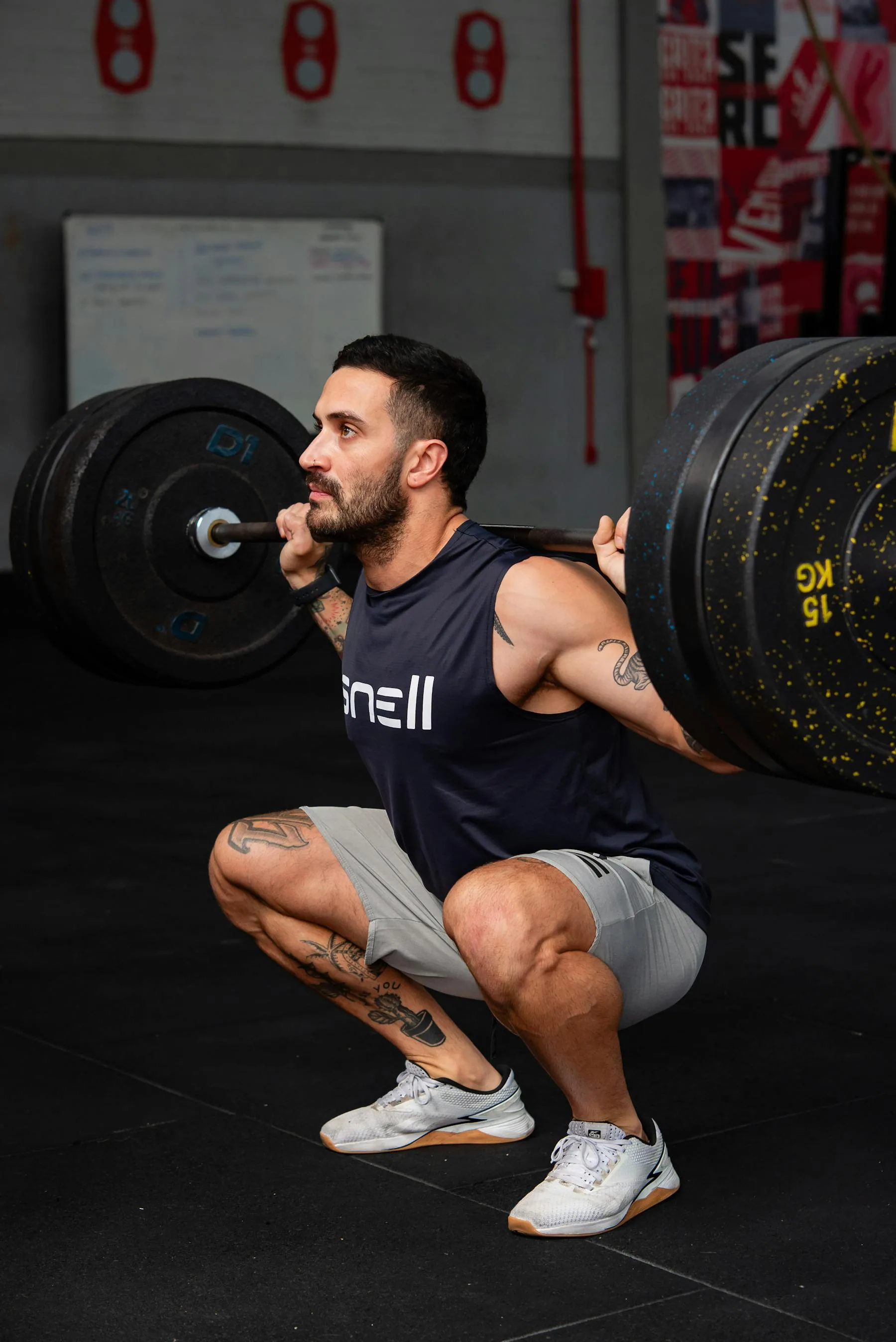
The kind of strength work that supports fat loss, posture, and daily movement
Not all strength training looks the same.
For beginners, the most useful approach is not isolated, high-volume lifting. It’s simple, repeatable movements that involve multiple parts of the body at once.
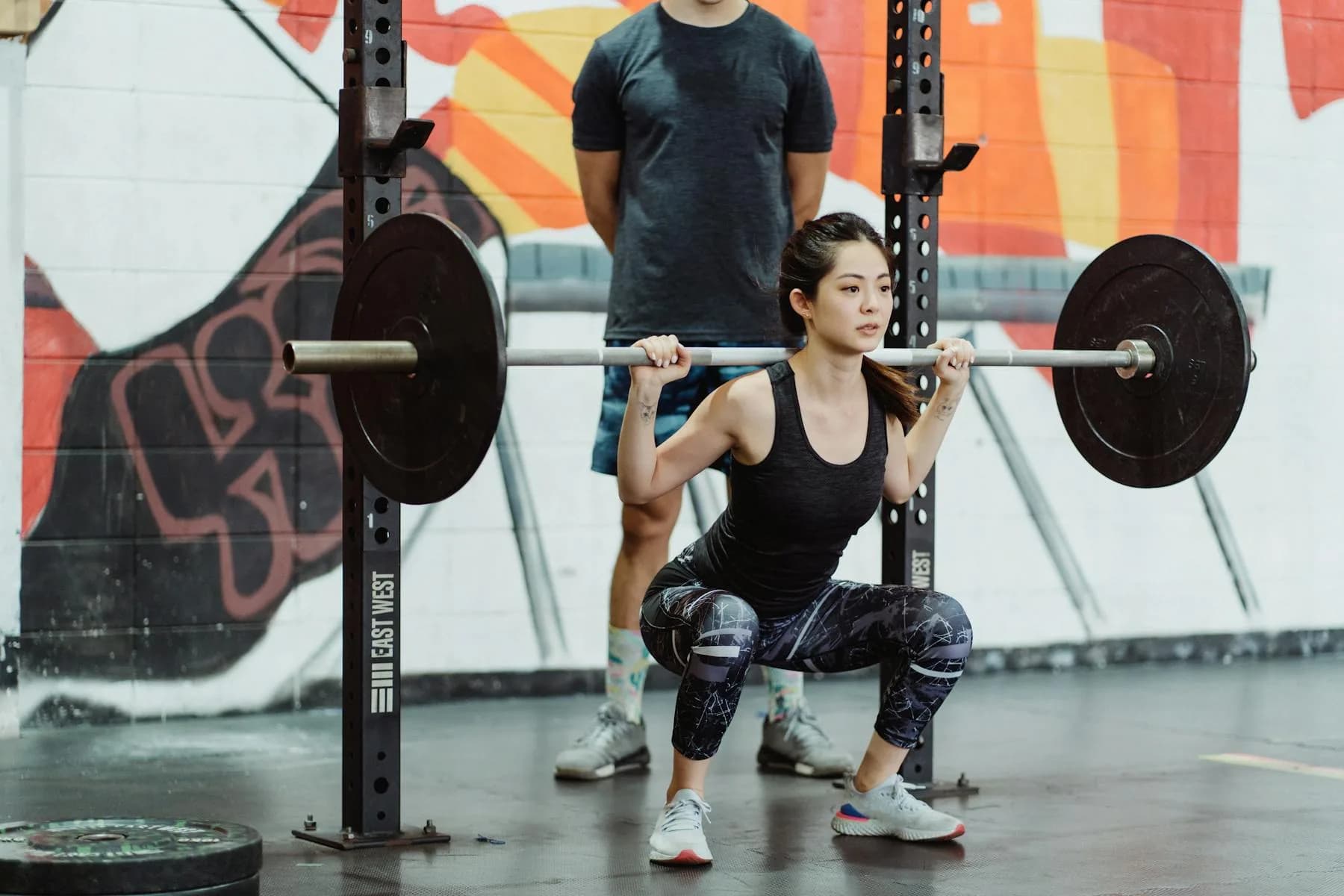
Basic patterns like pushing, pulling, hinging, and squatting form the foundation. You don’t need a wide variety of exercises. You need a small set that you can improve gradually.
For example, two or three sessions per week that include:
- Controlled repetitions of foundational movements
- Moderate effort rather than maximum effort
- Enough rest to recover between sessions
This kind of structure supports both strength training for fat loss and functional strength in daily life.
It also pairs well with other forms of training. In many structured programs, strength work is combined with conditioning or skill-based training to create a balanced routine. If you’re curious how that combination works in practice, this can provide more context: Boxing And Strength Training
The goal is not to specialize immediately. It’s to build a base that makes everything else easier.
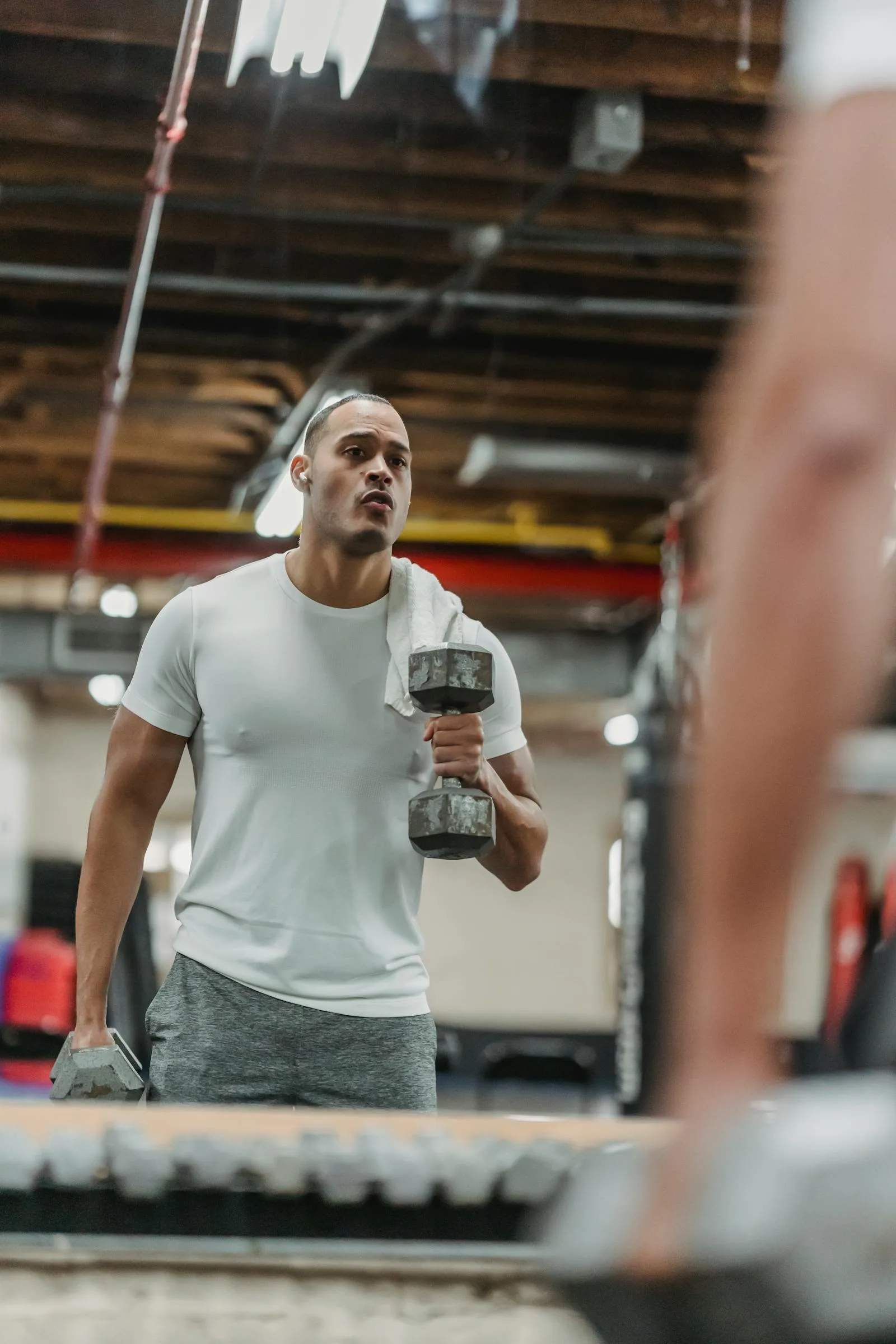
A coach's reality check for your first 4–6 weeks
The first month for beginners training in Korea is less about transformation and more about familiarity.
You will repeat movements that feel simple but unfamiliar. You will focus on form more than intensity. Some sessions will feel easy, others awkward.
Progress will not always be visible in the mirror.
Instead, it shows up in small ways:
- A movement that felt unstable now feels controlled
- A weight that felt heavy now feels manageable
- A session that felt confusing now feels predictable
This is where many people stop too early. Not because it isn’t working, but because it doesn’t match the expectation of fast, visible change.
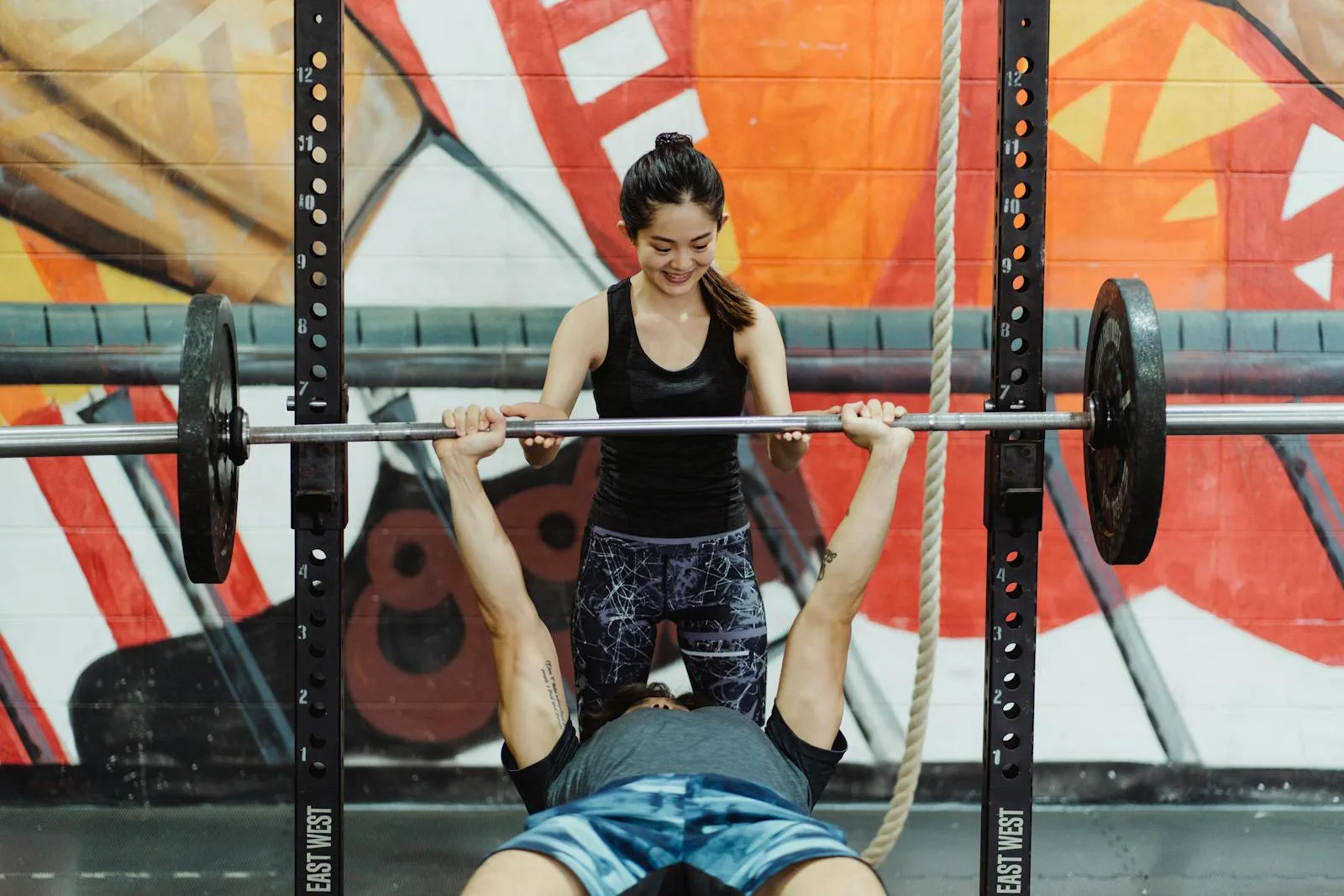
In structured environments, having guidance during this phase can make it easier to stay consistent. For example, some people find that working with a coach—even briefly—helps them understand how to move correctly and what to expect from each session. This is one way to approach it: Seoul Personal Training
But whether you train on your own or with support, the principle stays the same.
Strength builds quietly at first.
That quiet progress matters. If you work long hours in Seoul, sit through a commute, and then try to train after work, the first win is not looking different immediately. It is walking into the gym with a clearer plan, repeating the same basic movements with better control, and leaving with enough energy to come back again later in the week.
Final takeaway
If you’re still hesitating, the simplest next step is not to commit to a full program.
Just start small.
Two sessions a week. Basic movements. Moderate effort. Enough consistency to see how your body responds over a few weeks.
That’s where the real answer becomes clear.
Not from what might happen, but from what actually does.