Should Women Bench Press? The Real Reason Pushing Strength Matters
Women can benefit from bench pressing for strength, posture, confidence, and upper body training. Learn how to start safely and progress well.
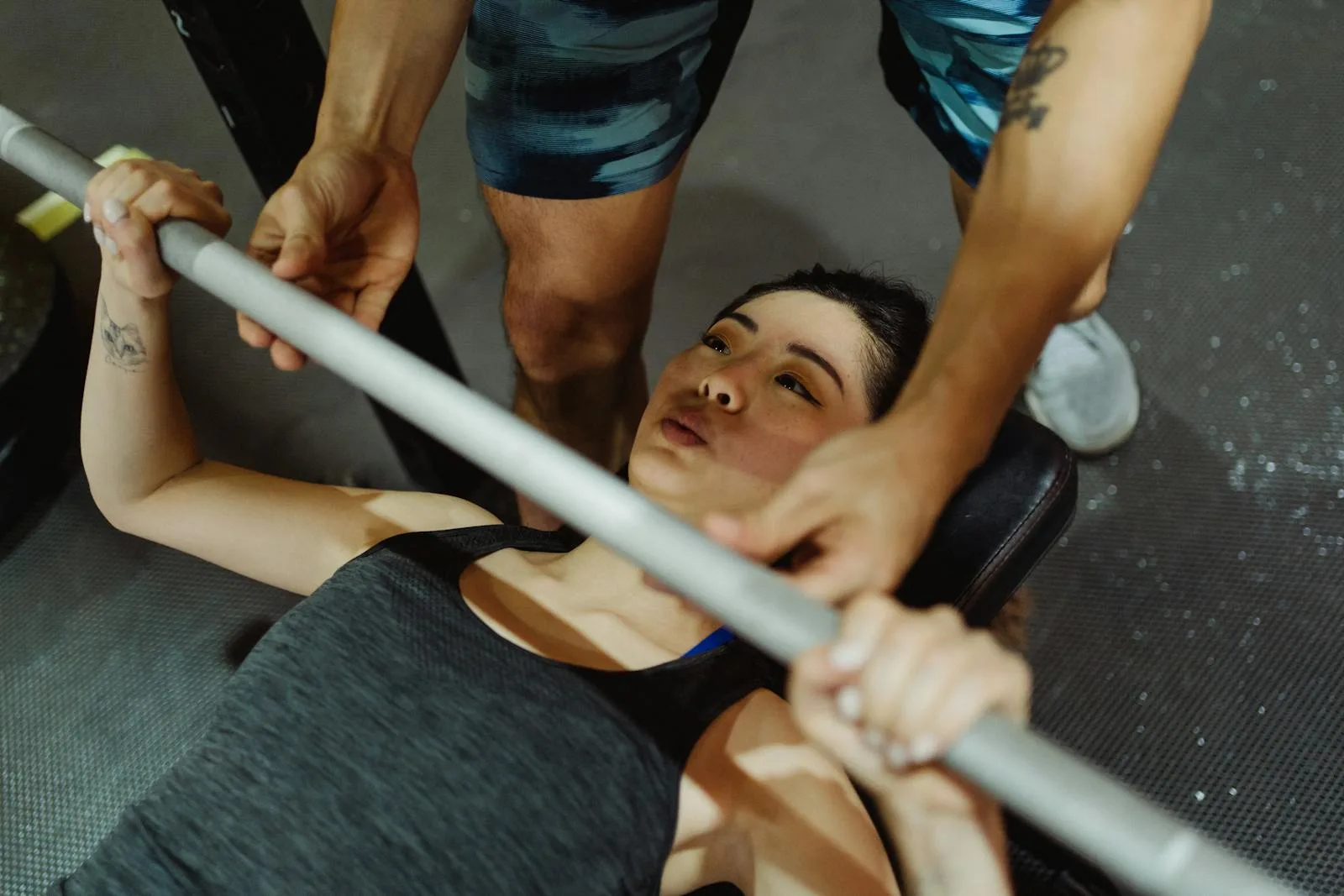
"Should women bench press?" comes up regularly in coaching — usually from beginners who aren't sure whether upper body pressing fits their goals, or who've picked up the vague sense that it's somehow not necessary for them.
The short answer is that bench pressing can be genuinely useful — but not because it's a must-do exercise. It's useful because it develops pushing strength, and pushing strength plays a broader role in how the upper body functions than most people realize. Understanding that context makes the question a lot easier to answer.
What Bench Pressing Is Actually Training
The bench press is a horizontal pushing movement. It works several muscle groups together: the chest, the front of the shoulders, the triceps, and the serratus anterior — a stabilizing muscle that controls how the shoulder blade moves under load.
That last part matters more than people tend to notice. Pushing strength isn't just about pressing weight. It's about how the shoulder joint moves and stabilizes when it's under load. Developing that capacity contributes to better shoulder stability overall, more balanced upper body development, and improved performance in other movements — push-ups, overhead work, anything that asks the shoulders to work against resistance.
This is why chest training isn't really just about the chest. It's about how the upper body functions as a connected system. And that's relevant regardless of gender.
Why the Experience Varies Between People
Not everyone encounters the bench press the same way, and that's worth understanding before deciding whether to include it or use a variation.
Arm length affects range of motion — people with longer arms move through a greater distance, which can make the lift feel more demanding. Limited shoulder mobility can make the bottom position uncomfortable, which is a signal to adjust setup rather than push through. And for beginners, there's simply a coordination learning curve before adding meaningful load makes sense.
For some people, starting with incline dumbbell press, a machine chest press, or assisted push-ups feels more natural and allows better control early on. These aren't inferior options — they train the same fundamental movement pattern and can be progressed just as effectively. The goal is a variation that allows controlled, repeatable movement, not a specific piece of equipment.
Where the Hesitation Usually Comes From
The uncertainty around bench pressing for women tends to cluster around a few patterns, and most of them are worth addressing directly.
Avoiding upper body training altogether is common — particularly when someone is focused on lower body goals. Over time this creates imbalances, especially in shoulder stability and postural strength. Sticking only to very light weights without progressing them is another pattern: it keeps things feeling manageable, but limits any meaningful strength development. And comparing progress to others — particularly in a mixed training environment — creates pressure that has nothing to do with individual starting points or goals.
Shoulder discomfort during the movement is the one signal worth taking seriously. That's not something to push through — it usually points to a setup issue, a mobility limitation, or a variation that doesn't suit the individual's structure.
A Simple Way to Build This Into Training
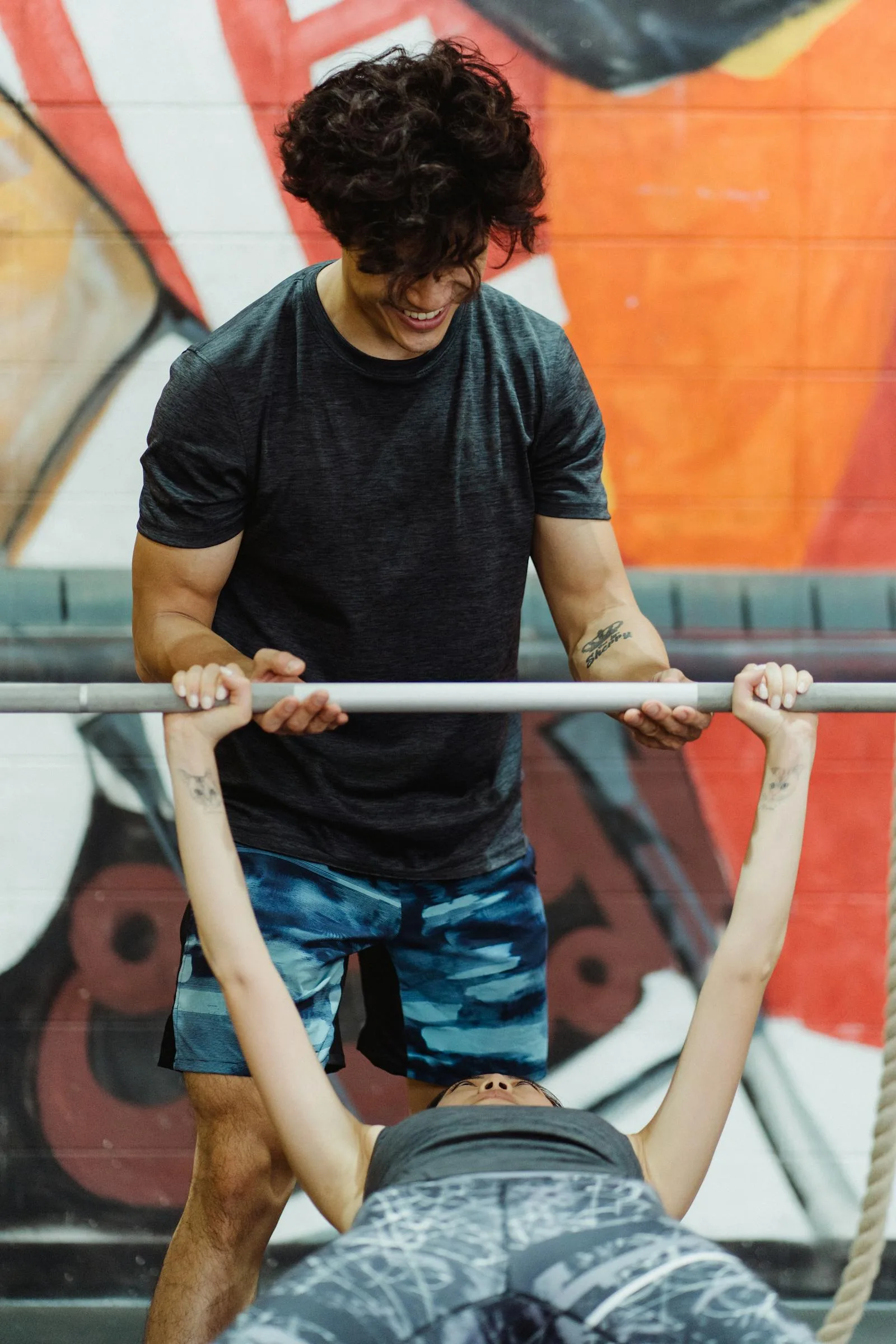
If the goal is developing pushing strength, the starting point doesn't need to be the barbell bench press. It just needs to be a movement in that pattern that feels stable and controllable.
Start with a variation that suits your current level — dumbbell press, incline press, or assisted push-ups. Focus on steady, controlled movement rather than load. Progress gradually: more reps, then more weight, then a wider range of motion as mobility and strength allow. Two to three sessions per week that include a pushing movement is enough for most beginners to build real progress over time.
Barbell bench press can come later, if and when it fits your structure and comfort. It's one option in the category, not the only one.
If you're unsure how pushing strength fits into a broader program, start with why strength training matters even for people who do not want to get bulky.
The More Useful Question
Whether you "should" bench press is probably the wrong frame. The more useful question is: how are you currently training your pushing strength, and is it progressing?
If the answer is that you're avoiding it entirely, or keeping it static without any progression, that's worth addressing — not because bench press specifically matters, but because pushing strength contributes to upper body balance and function in ways that show up across everything else you do in training.
At BODY SMITH, pushing movements are typically integrated into broader sessions rather than isolated — which helps maintain balance across the upper body without over-indexing on any single lift. For more individualized guidance: Seoul Personal Training
Benefits of Bench Press and Chest Press for Women
- Builds pushing strength for training and daily movement.
- Strengthens the chest, shoulders, and triceps together.
- Provides a measurable movement that can progress gradually.
- Balances programs that contain plenty of pulling and lower-body work but little pressing.
FAQ
Will bench press make women bulky?
No. Significant muscle size requires consistent training and a calorie surplus sustained over time. Bench pressing as part of a regular training program doesn't produce sudden or excessive muscle gain.
What does bench press train besides the chest?
The front of the shoulders, the triceps, and the serratus anterior — which stabilizes the shoulder blade and supports controlled shoulder movement under load.
How should beginners start bench pressing safely?
Start with a variation that allows controlled movement — dumbbells or an incline press are usually easier to manage early on. Focus on stable positioning and gradual progression before adding significant load.
Train With BODY SMITH