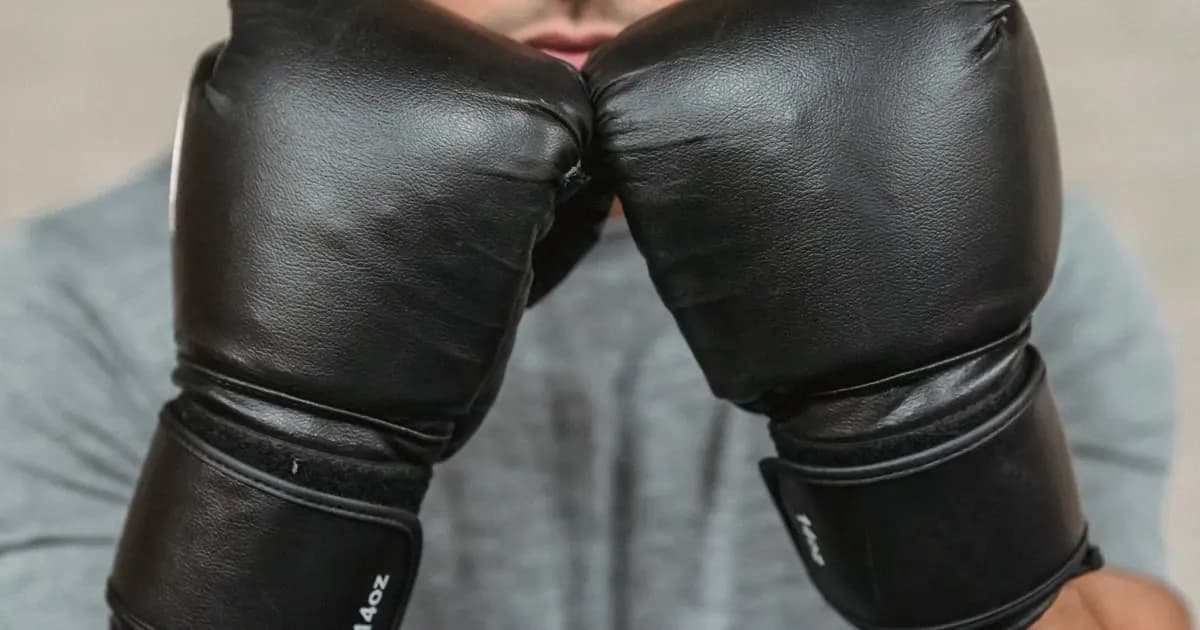
How to choose boxing gloves for beginners without overbuying
Learning how to choose boxing gloves for beginners is easier when you start with the session, not the product page.
Learning how to choose boxing gloves for beginners is easier when you start with the session, not the product page. The right first pair must fit your wrapped hands, suit the bagwork or padwork you actually do, and remain comfortable as training continues. Price, colour, and professional-looking details matter less than those basics.
You also may not need to buy before your first class. A coach who can see your hand size, wrapping method, and training format can narrow the choice faster than a generic size chart.
Ounces describe weight, not hand size
Boxing gloves are commonly labelled in ounces: 10 oz, 12 oz, 14 oz, or 16 oz, for example. That number describes the glove's overall weight. It does not indicate a particular internal hand compartment, wrist shape, or amount of room around the fingers.
Two 14 oz gloves from different models can fit very differently. One may have a compact hand compartment and another may feel wide. This is why an ounces guide is a starting point rather than a personal prescription.
Common beginner training choices often fall around 12 to 16 oz, but the appropriate option depends on body size, hand size, workout type, gym policy, and coaching preference. Sparring gloves are a separate decision that should be made with a coach; do not buy a pair for sparring based only on an online chart.
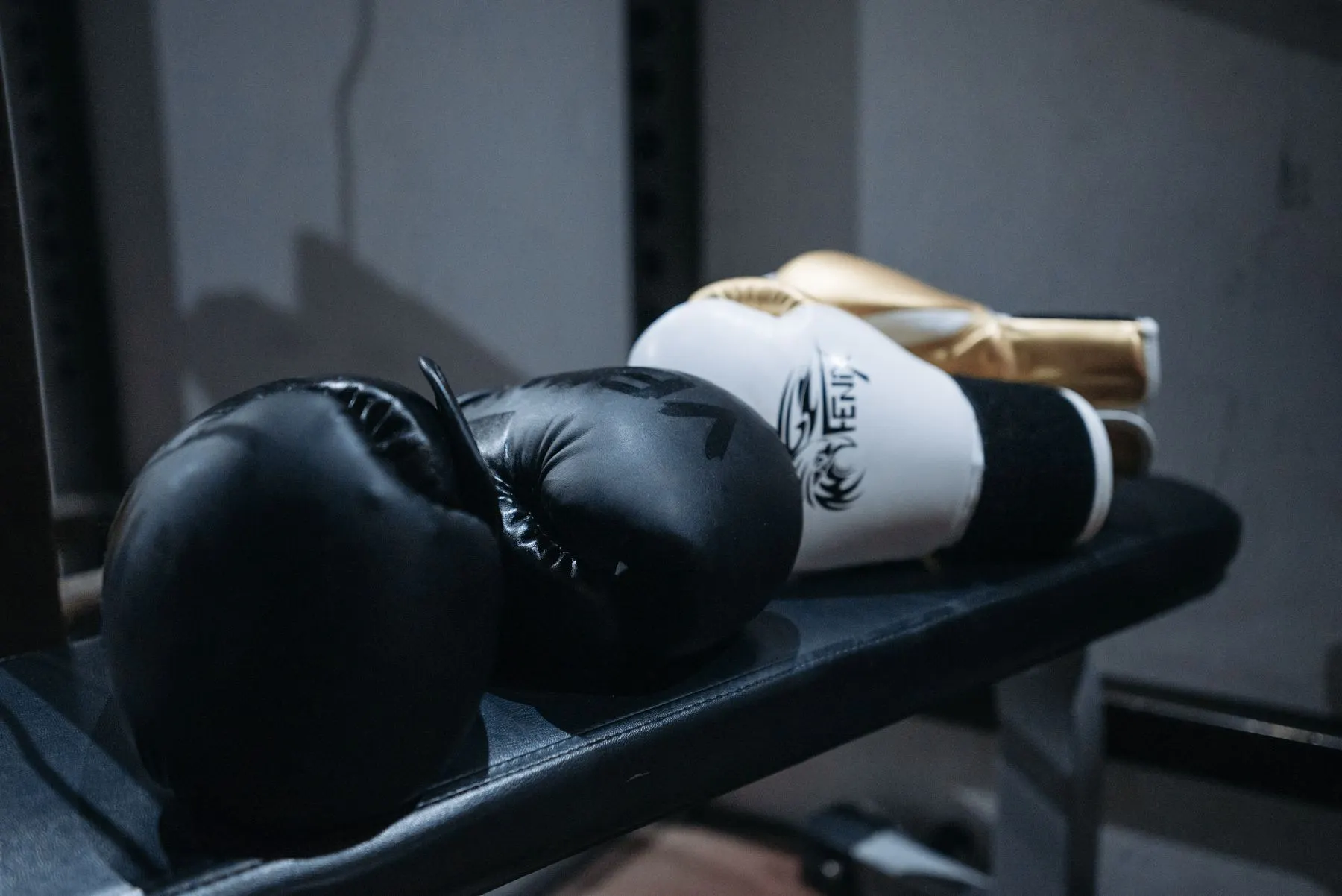
Fit the glove with your wraps on
Try gloves with the hand wraps you plan to use. Slide the hand in fully, place the thumb naturally, and close a relaxed fist. Your fingertips should not be painfully compressed or floating in excessive space. The thumb should not be pulled outward, and the glove should not create a sharp pressure point across the knuckles.
Fasten the wrist closure as it would be during training. It should feel stable without cutting into the forearm. Open and close the fist several times. A glove that feels merely snug in an empty hand may become uncomfortably tight once a 180-inch wrap adds layers.
Check both hands because they may not feel identical. Keep the gloves on for several minutes if the store allows it; an immediate soft feel does not reveal every pressure point.
Match the glove to the work
For general beginner bagwork and padwork, many people use one versatile training glove. This keeps the first purchase simple. A gym may prefer particular weights or styles because of its session structure and equipment, so ask before ordering.
Dedicated bag gloves can feel more compact and provide clearer feedback, while general training gloves may cover a broader mix of drills. That does not make one automatically better. The useful question is whether the glove matches what fills most of your sessions.
If you later train frequently, separate pairs can reduce wear and let each glove serve a clearer purpose. Beginners do not need a collection on day one. Start with the setup your coach expects and add equipment only when a genuine need appears.
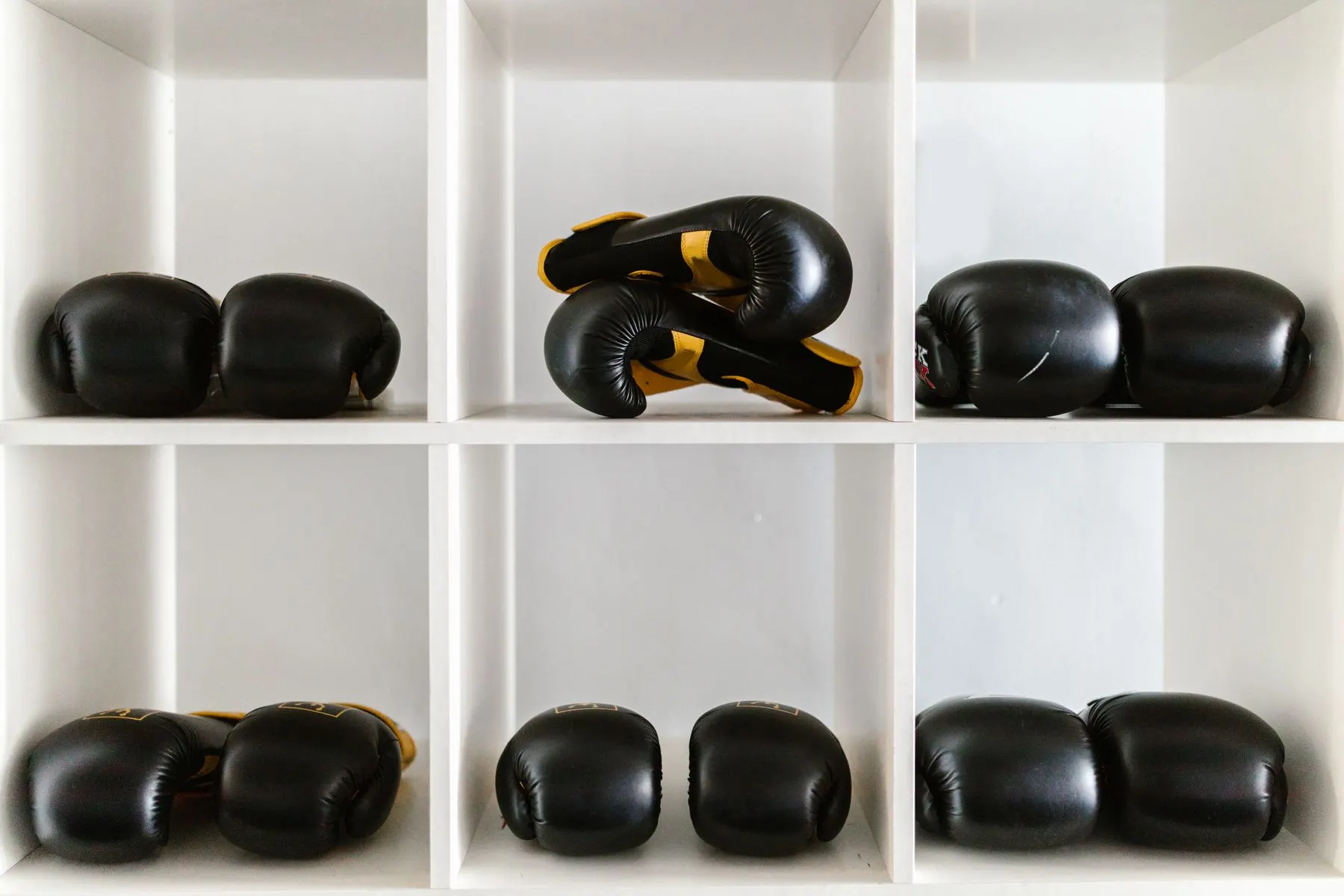
Buying boxing gloves in Korea or Seoul
Korean listings often include the ounce label in English alongside terms such as 복싱 글러브 or 권투 글러브. Check whether a listing is for one pair and whether exchanges are allowed after packaging is opened. Imported models may have limited sizes or costly returns, which makes trying a local display pair especially useful.
Do not use height or body weight alone to choose. Those details can inform a recommendation, but the actual wrapped-hand fit and intended training remain important. If you are comparing coached options around Seoul, Boxing and Strength Classes shows the kind of session context that should guide an equipment decision.
Construction details worth checking
A secure hook-and-loop wrist closure is convenient for ordinary classes because you can put the gloves on without someone tying laces. Inspect the stitching, palm material, thumb attachment, lining, and closure edge. Rough seams and exposed hook material can become irritating over repeated rounds.
Leather is not automatically necessary for a first pair. Durable synthetic materials can be practical, especially when budget and easy care matter. Build quality varies within both categories, so inspect the actual glove rather than relying on a material label.
Care starts after every session
Remove gloves from the gym bag as soon as practical. Open the closures and let air circulate through the hand compartment. Wipe the exterior according to the manufacturer's instructions and allow the gloves to dry away from strong heat. A radiator, hair dryer, or closed car can damage materials.
Clean, dry wraps reduce the sweat transferred into the lining. Glove deodorisers may help with moisture management, but they do not replace drying and cleaning. Never share damp gloves if it can be avoided.
Common buying mistakes
The first is buying the heaviest glove because it seems more protective. Extra weight changes the feel of training and is not a universal solution. The second is choosing a tight glove with an unwrapped hand. The third is paying for specialised features before understanding whether the gym uses them.
Another mistake is assuming one pair can cover every future purpose. A general training glove may work for current bag and pad sessions without being appropriate for sparring. Let future equipment follow future training.
FAQ
What ounce boxing gloves should a beginner use?
There is no universal weight. Many beginner training gloves are between 12 and 16 oz, but hand size, body size, training type, gym rules, and coach preference all affect the choice.
Can I use the same gloves for bagwork and padwork?
Often yes for introductory training, provided the gloves fit and the gym considers them appropriate. As training becomes more specialised, separate equipment may make sense.
Should I buy boxing gloves before my first class?
Not necessarily. Confirm what the gym provides and ask what it recommends. Trying a session first can prevent an expensive purchase that does not match the format.
The best beginner boxing equipment is equipment you can use consistently. A comfortable, suitable training glove is a better first purchase than a premium glove chosen for a purpose you do not yet train.
Train With BODY SMITH