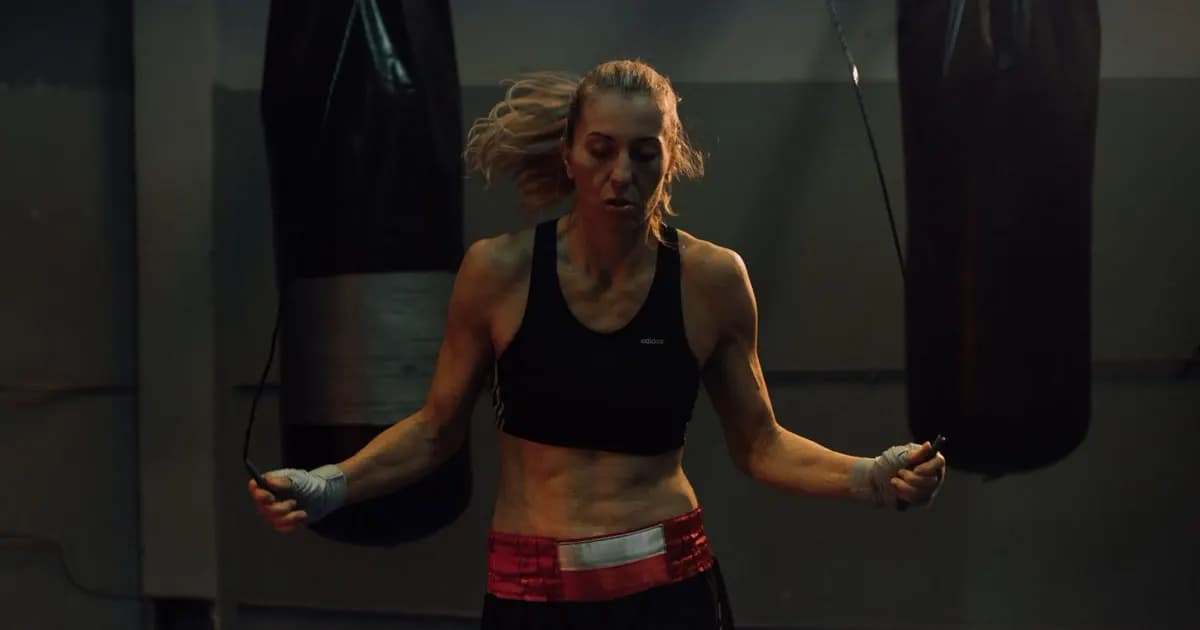
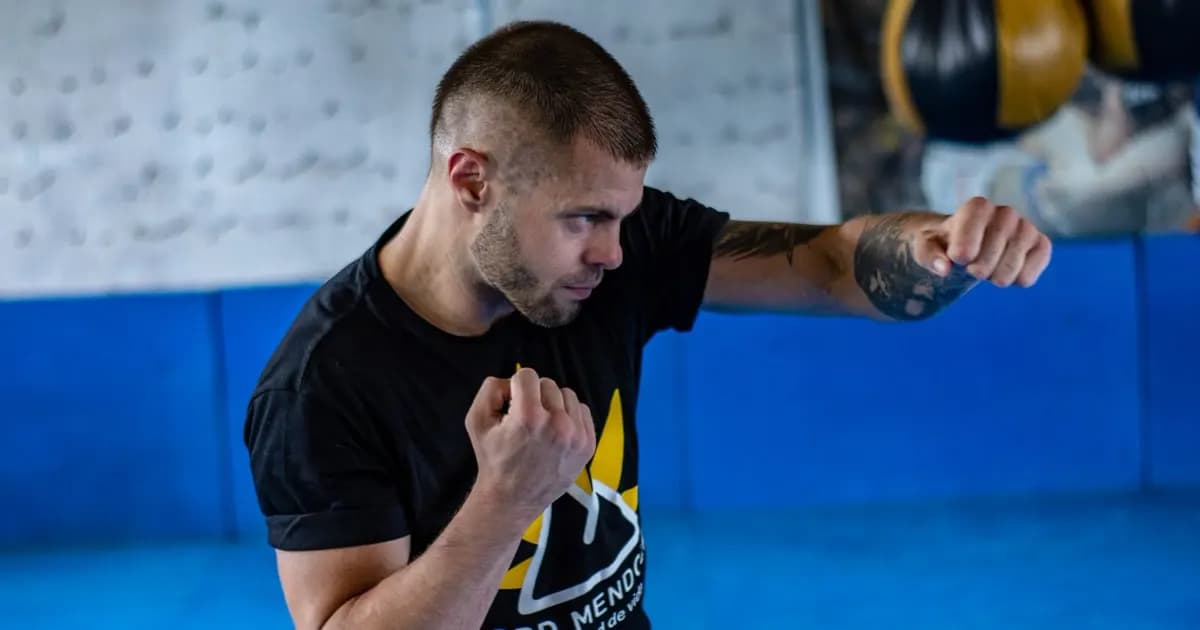
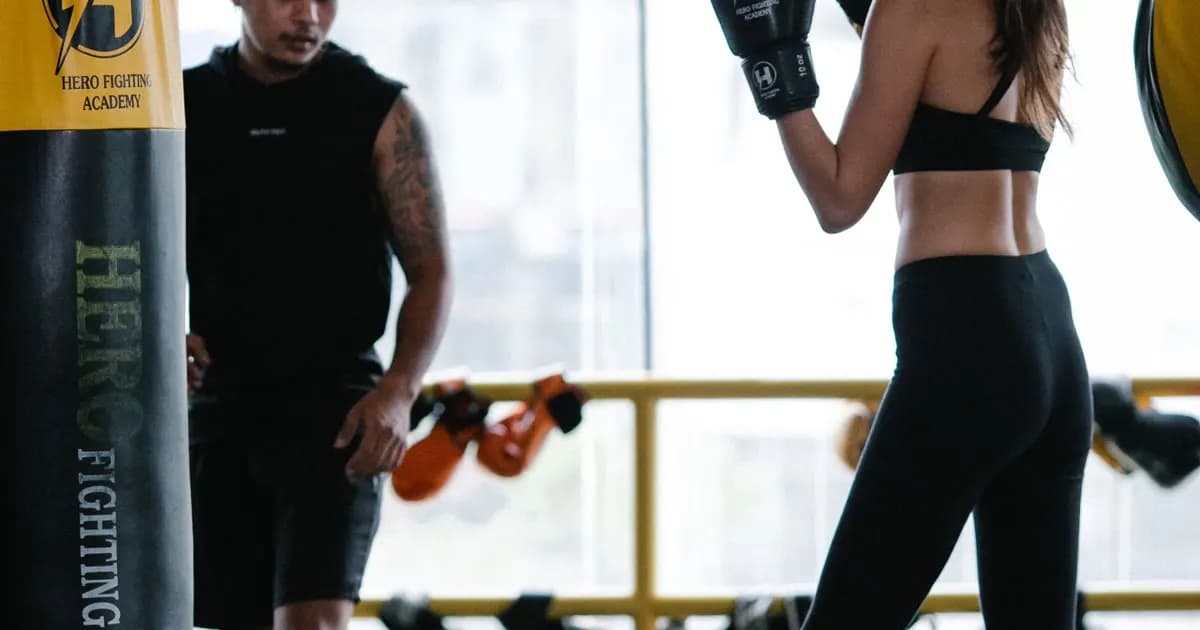
Boxing guard for beginners: a relaxed position you can return to
A boxing guard for beginners should be a position you can leave and recover, not a rigid pose you hold until the shoulders burn.
A boxing guard for beginners should be a position you can leave and recover, not a rigid pose you hold until the shoulders burn. The hands, elbows, head, and stance work together while vision and breathing stay available. Exact placement changes with body proportions, boxing style, distance, and coaching, so the goal is not to copy one photograph perfectly.
Start with a basic coached position, then learn what it feels like to return there after every small movement and punch.
Build the guard from the floor upward
A guard cannot solve an unstable stance. Set the feet in the stance your coach has chosen, keep the knees soft, and allow the weight to remain movable rather than sitting heavily on one leg. Let the torso feel tall and organised without arching the lower back or pushing the chest forward.
Keep the head over a base from which you can step. Beginners often concentrate on hand height while the chin and shoulders drift far ahead of the hips. If the whole body is leaning, lifting the hands higher will not restore balance.
Place the hands without hiding from your own vision
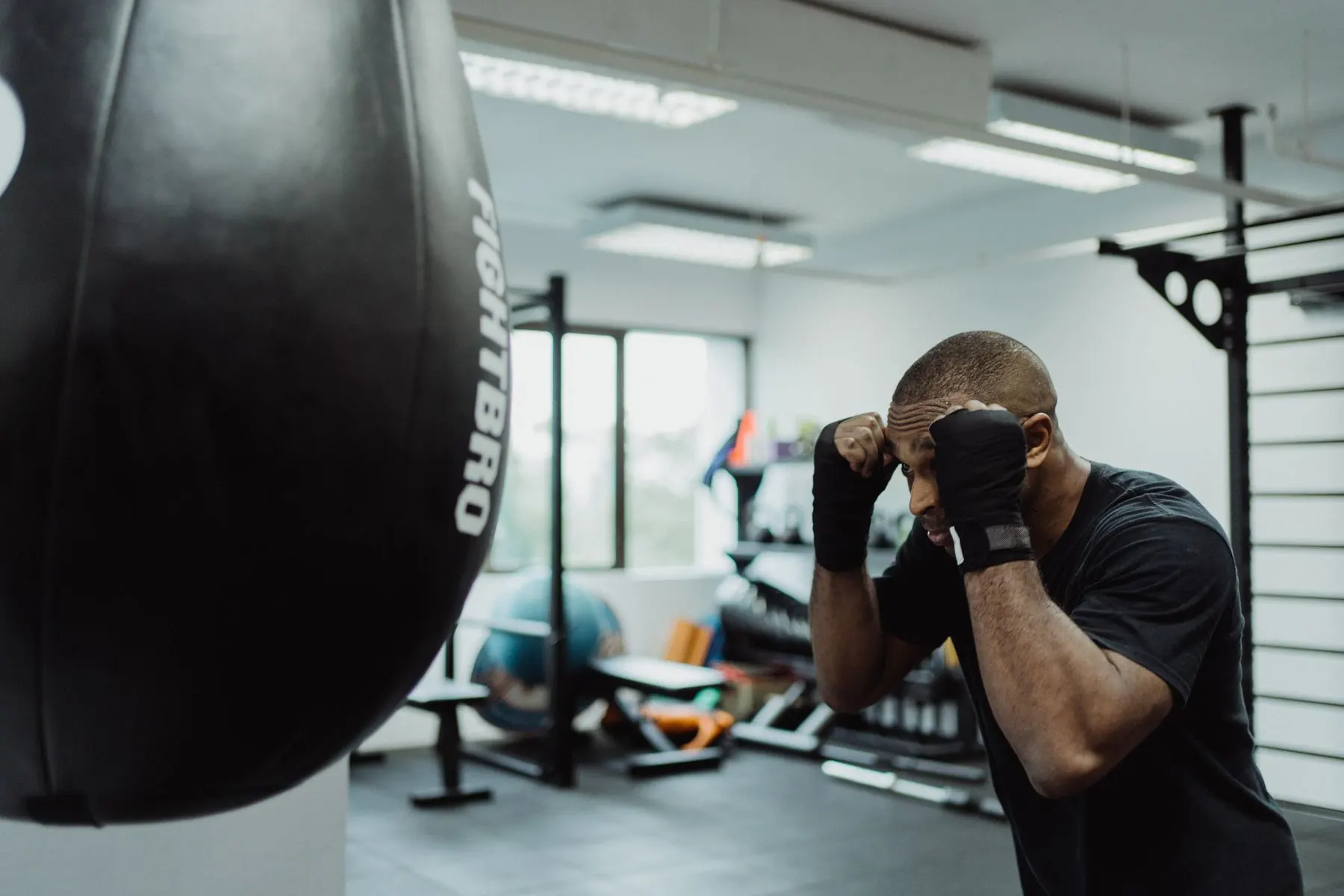
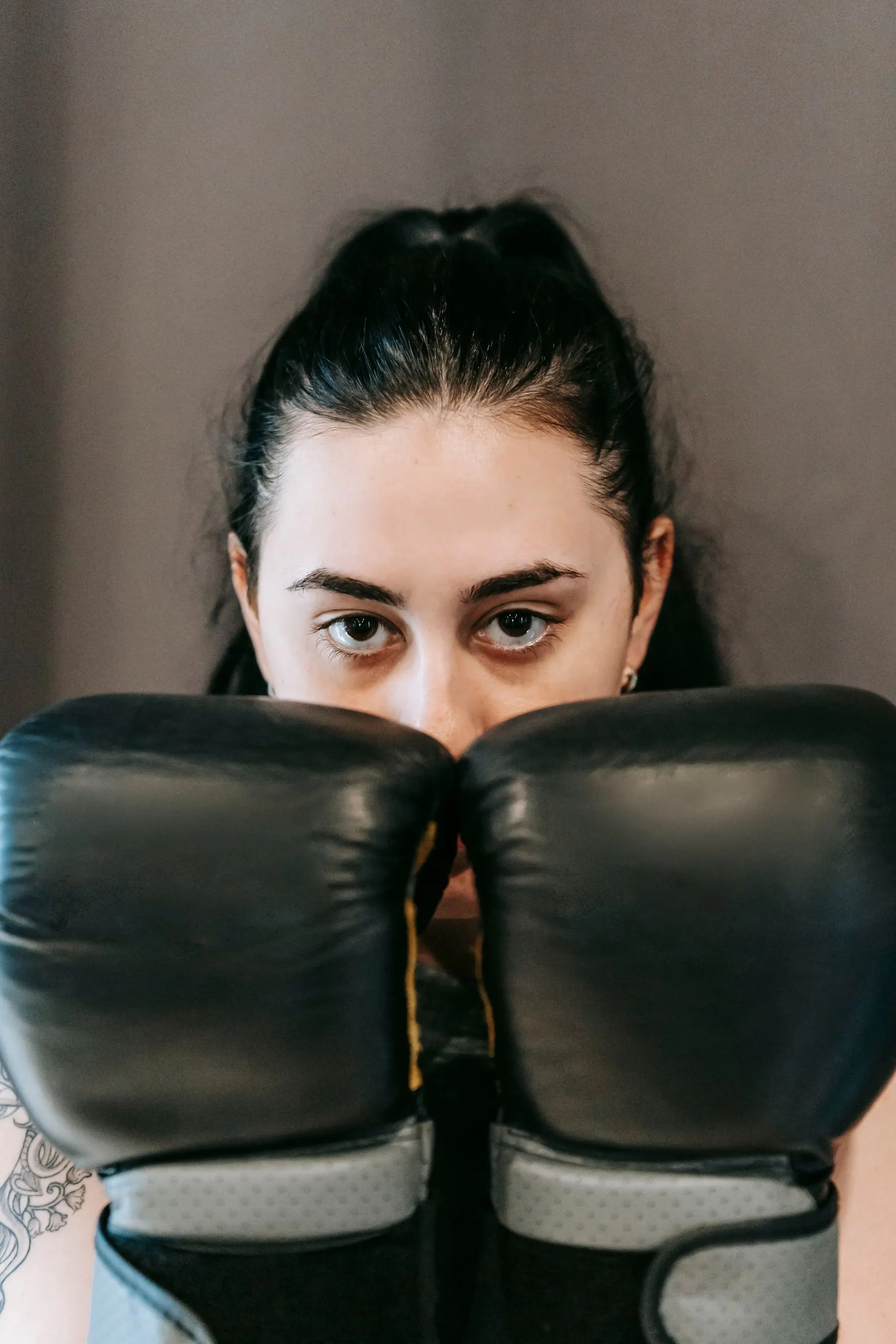
In a basic guard, the lead and rear hands stay high enough to return quickly and contribute to protection, but the exact height and distance from the face vary. The rear hand is often close to the cheek or jaw area. The lead hand may sit slightly farther forward. Make a light, ready fist rather than crushing the fingers together throughout the round.
Do not press both gloves against the eyes. You need to see forward and maintain peripheral awareness. Conversely, hands held far away from the head can become slow to recover and make the shoulders work unnecessarily.
The wrists should remain organised rather than bent sharply inward or outward. Hand wraps and gloves change how this feels, which is one reason a coach should check the position with the actual training equipment.
Let the elbows belong to the torso
Keep the elbows comfortably connected to the sides instead of squeezing them together with maximum effort. Flared elbows increase shoulder tension and make the hands feel disconnected from the body. Elbows pulled too tightly inward can also make movement stiff.
Think of the forearms and elbows as part of a compact structure that can adjust. Body proportions matter: a person with long arms will not reproduce the same angles as someone with shorter arms. The useful test is whether the position remains relaxed, visible, and easy to recover.
Relaxed shoulders keep the guard usable
Many beginners lift the shoulders toward the ears to make the hands feel higher. This creates early fatigue and can restrict breathing. Exhale, let the shoulders settle, and hold the hands through an organised frame rather than a constant shrug.
Short practice intervals help. Hold the guard while stepping slowly for twenty or thirty seconds, lower the arms, shake out unnecessary tension, then repeat. If the position collapses immediately, reduce the interval and ask whether the hands are too far forward or the fists are gripping too hard.
Some shoulder fatigue is expected when a new position is repeated, but pain, numbness, or sharp symptoms are not a cue to force more rounds. Stop and seek appropriate guidance.
The return matters as much as the punch
Extend a slow jab and bring it back along a controlled path. The rear hand stays organised rather than dropping as the lead hand moves. With a rear straight, the lead hand remains available and the rear hand returns before the next action.
Beginners often perform a good starting guard and then finish the punch with both hands low. Practise single punches with a complete reset. A simple verbal rhythm—“out, back, breathe”—can make the recovery explicit.
Do the same after footwork. Step, settle, and notice whether the hands separated or the elbows flared. The guard is not only a position between punches; it travels with the stance.
A coach adjusts the general model
Glove size, arm length, stance, mobility, and training task affect the details. A padwork guard may be adjusted for a drill, and advanced boxers use many variations. Beginners benefit from one clear home position before learning why it might change.
Mirrors reveal some errors but not how the position holds up during movement. A coach can see when vision is blocked, when the chin lifts, or when the shoulders tense before every punch. Boxing and Strength Classes gives context on practising these fundamentals inside structured sessions in Seoul.
Common guard mistakes
The first is squeezing both fists continuously. The second is holding the hands high by shrugging. The third is copying a professional's low or unusual guard without the distance control and experience behind it.
Another mistake is thinking “hands up” means the feet and head no longer matter. A useful guard is connected to balance. Finally, avoid slapping the hands back to the face after a punch; return them under control rather than creating a new impact.
FAQ
Where should a beginner hold their hands in a boxing guard?
A common starting point keeps the rear hand near the cheek or jaw and the lead hand slightly forward, with clear vision and relaxed shoulders. A coach should adjust this for the person's body and stance.
Why do my shoulders get tired when I keep my guard up?
The position is unfamiliar, but excessive shrugging, tight fists, or hands held too far forward can add unnecessary fatigue. Use shorter intervals and have the setup checked.
Should a boxing guard feel tight or relaxed?
It should feel organised and ready, not limp, but it should allow breathing, vision, and movement. Constant maximum tension makes the guard harder to maintain and recover.
The best beginner guard is not the most defensive-looking still image. It is the balanced, visible, relaxed position you can find again after each action.
Train With BODY SMITH