Why Protein Needs Are Different for Every Person
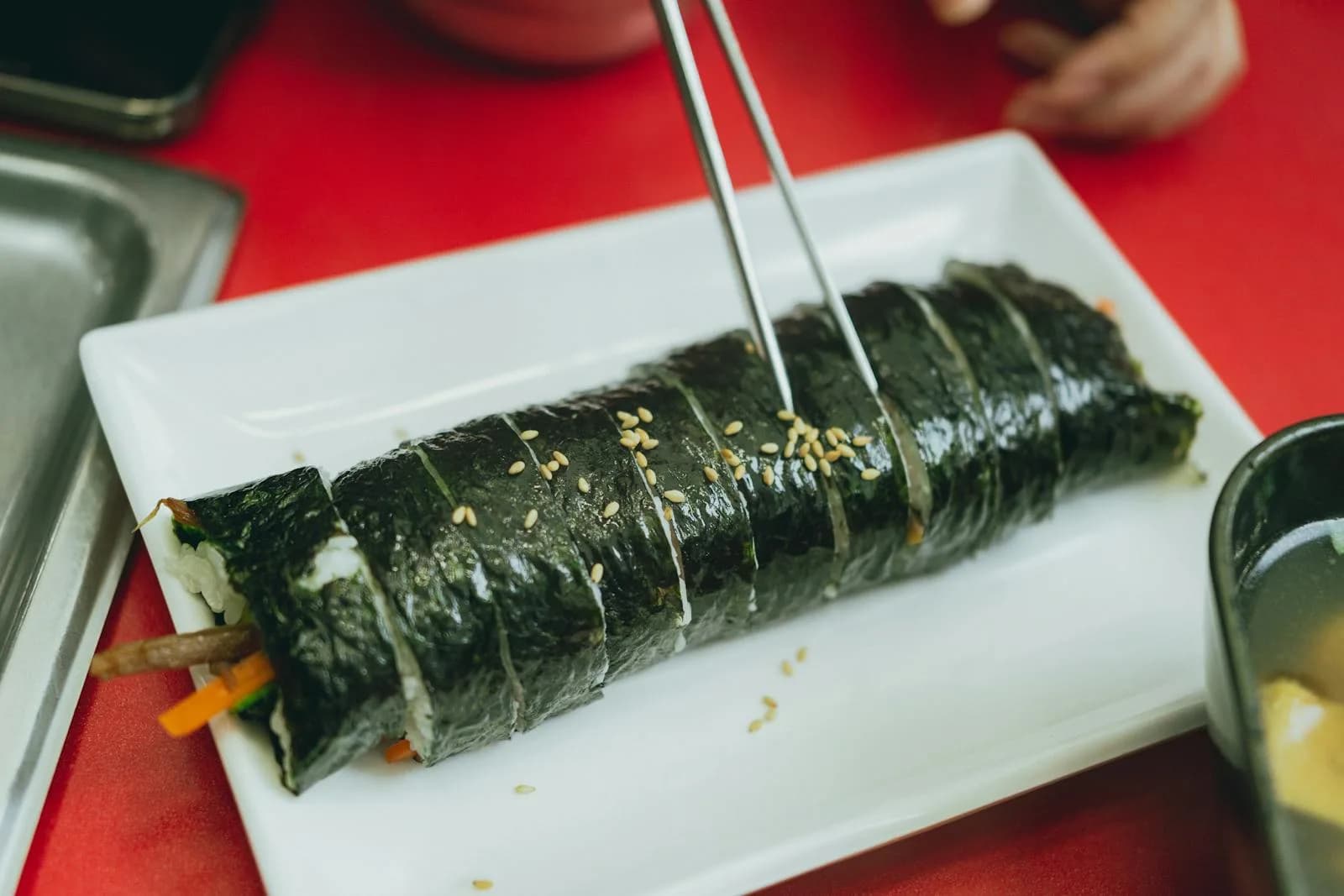
how much protein do I need: You're in a convenience store in Seoul, scanning the fridge. Chicken breast pack, protein drink, or just kimbap and move on?
You're in a convenience store in Seoul, scanning the fridge. Chicken breast pack, protein drink, or just kimbap and move on? You've heard protein matters — but how much do you actually need?
If you have ever asked "how much protein do I need?", the honest answer is: it depends. Your protein needs are shaped by your body weight, how often you train, whether you're trying to lose fat or build muscle, and how your actual daily meals are structured. There's no single number that works for everyone. This guide is about helping you figure out what works for your situation — not just handing you a formula and calling it done.
The Range, and Why It's a Range
Most people who train regularly or are working on body composition do well somewhere between 1.2 and 2.0 grams of protein per kilogram of body weight per day. That's the widely cited guideline, and it holds up reasonably well in practice.
For example, someone who weighs 60kg would usually be looking at a broad range of roughly 72-120g per day, depending on training, appetite, and goal. That is a planning range, not a rule you have to hit perfectly every day.
But the range is wide because the variables are real. If you train frequently, you'll sit toward the higher end. If you're in a calorie deficit trying to lose fat, higher protein helps protect muscle — so again, higher end. If you're less active and not actively cutting, somewhere in the middle or lower is usually fine.
The more useful question isn't what's my exact number? It's: can I consistently get enough protein across my actual meals, on actual busy days in Seoul? That's the one worth solving.
What Actually Moves the Needle
Total daily protein matters, but how you distribute it matters almost as much.
Eating all your protein in one sitting is less effective than spreading it across meals. Practically, this means aiming for somewhere around 20–40g per meal, across two to four meals a day. It also tends to make hunger and energy more manageable throughout the day — which matters when you're working long hours and relying on convenience.
Your goal also shifts the target. Protein for fat loss tends to run higher, because eating less overall creates a real risk of losing muscle alongside fat — and more protein helps counter that. Protein for muscle gain supports recovery and growth, but doesn't need to be excessive if your training is already structured.
The factor most people overlook is lifestyle fit. In Seoul, long workdays and irregular schedules are the norm, not the exception. If you're skipping meals during the day and eating everything at night, hitting a meaningful daily protein target becomes genuinely difficult — regardless of what the number is. Your target needs to fit your routine, not just your body weight.
What the Options Actually Look Like in Korea
The good news is that protein is available in Korea — you just need to know where to look and what to adjust.
At a convenience store, chicken breast packs are the most reliable option. Boiled eggs, Greek yogurt, and protein drinks also work well for days when cooking isn't realistic. They're not glamorous, but they're consistent and easy to fit around a packed schedule.
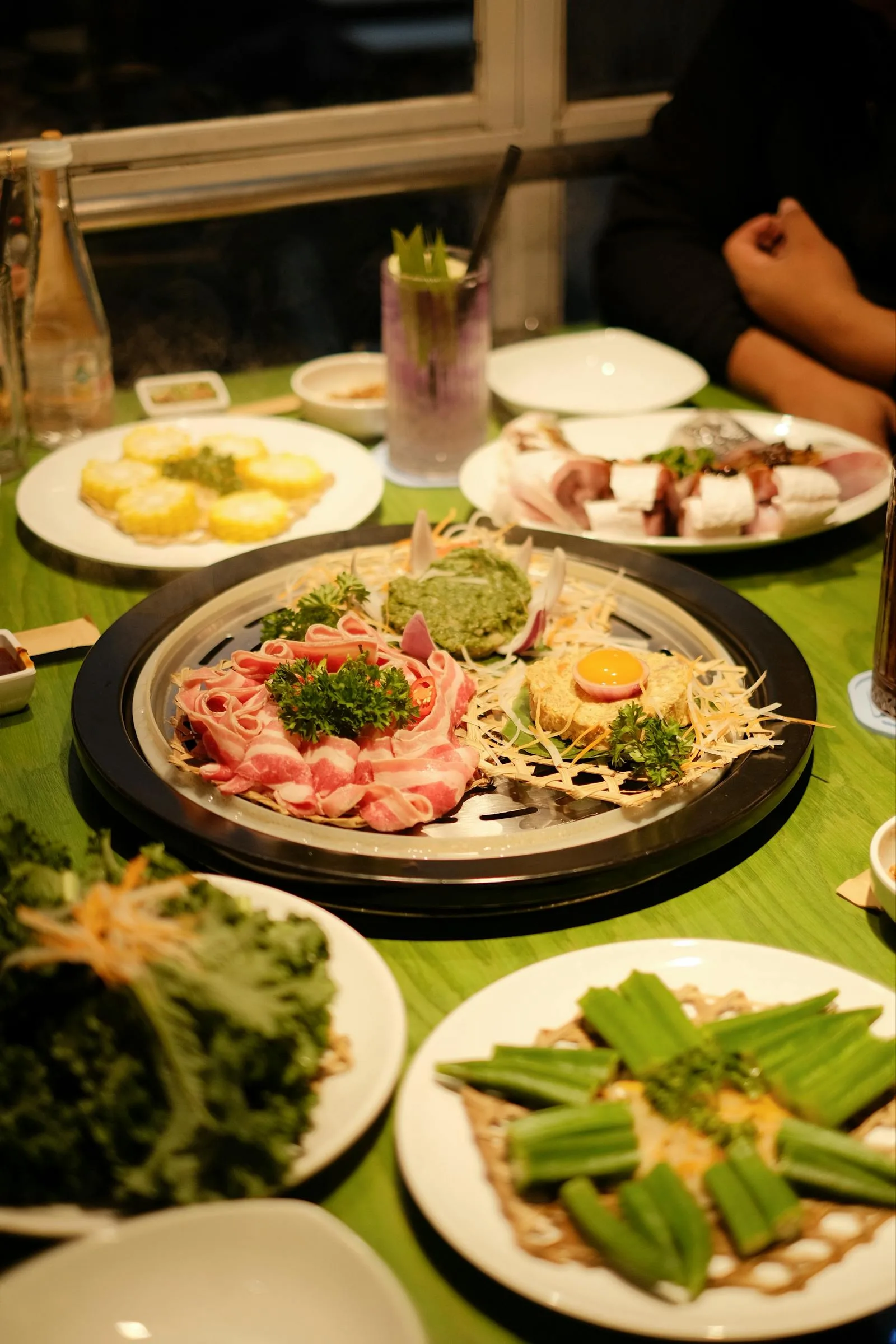
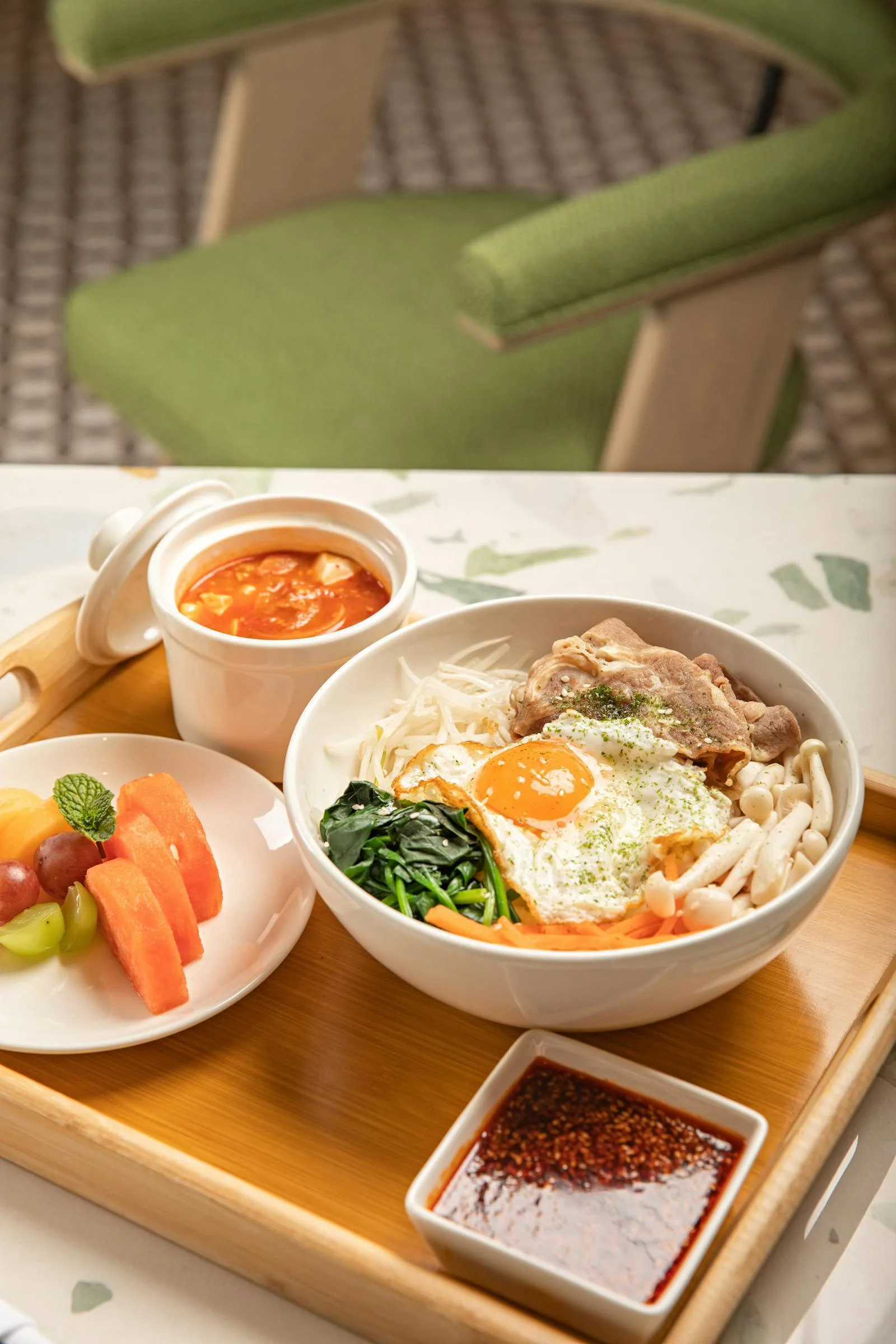
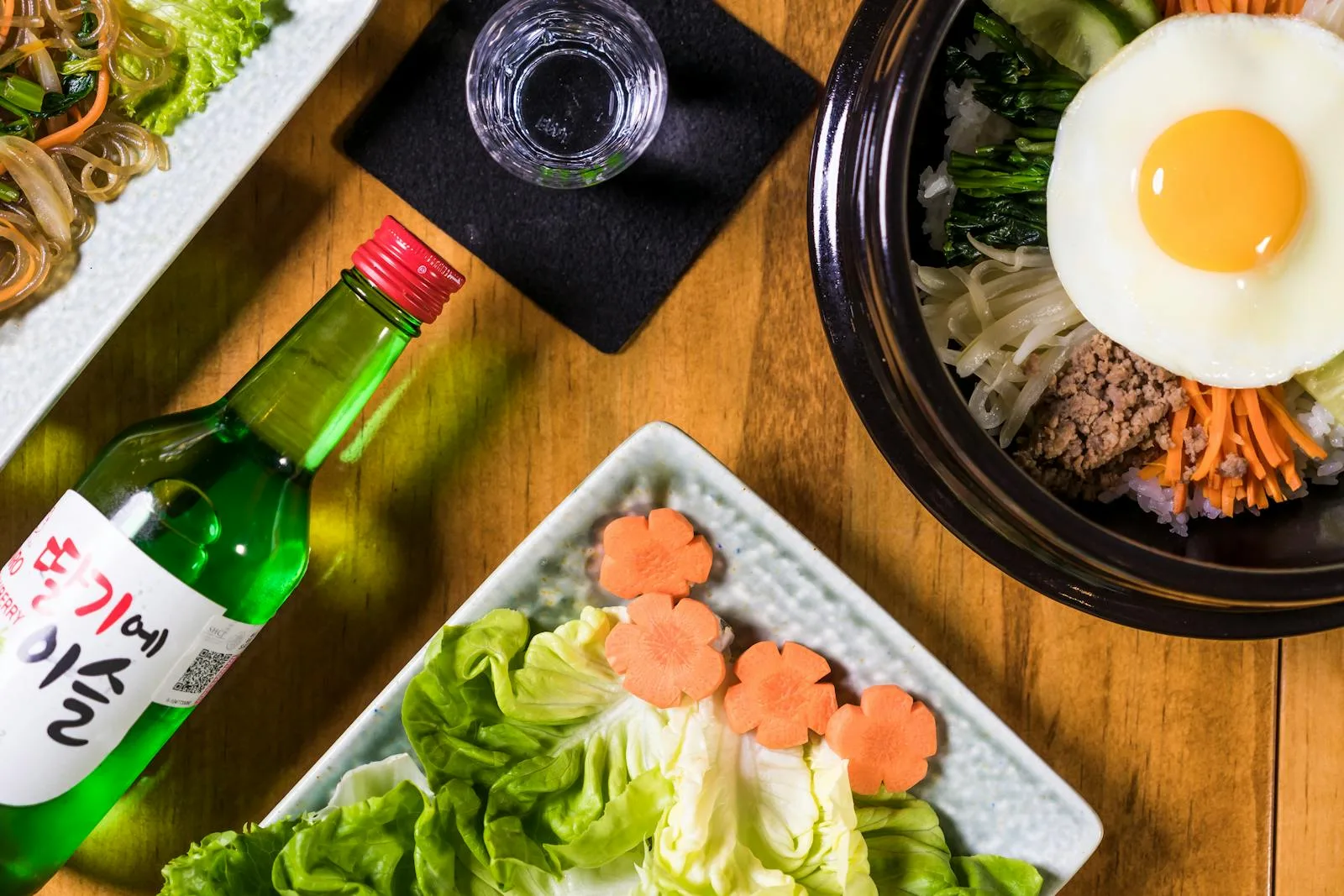
Korean restaurant meals are a different kind of puzzle. The protein is often there, but the carbs and portions tend to dominate the plate. BBQ — samgyeopsal, grilled chicken — is high in protein, though it often comes with alcohol and extra sides that push the balance. Soups like seolleongtang or gukbap have decent protein, but usually pair with large rice portions. Bibimbap is moderate and easy to improve just by adding an extra egg or more meat.
The adjustment is usually small: a bit less rice, a bit more of the protein component. You don't need to overhaul how you eat — you just need to shift the balance slightly in the right direction.
If you're relying heavily on chicken breast and want more variety: chicken breast alternatives for people who want more variety while keeping protein high. Chicken Breast Alternatives
The Mistakes That Make This Harder Than It Needs to Be
Trying to hit an exact number every day. This creates unnecessary stress and usually doesn't last. Consistency across the week matters more than precision on any given day. Close is good enough.
Turning to protein powder before sorting out meals. Powder is convenient, but it's not a foundation. Whole food sources tend to keep you fuller and fit more naturally into how people actually eat. Get meals working first.
Saving all your protein for the evening. If you eat very little during the day and try to catch up at dinner, it becomes uncomfortable and inefficient. Adding one protein-focused meal or snack earlier — even just eggs or a convenience store option — makes the rest of the day much easier to manage.
Assuming more is always better. Past a certain point, additional protein has diminishing returns. Covering your needs is what matters. Doubling them doesn't accelerate results.
A Simple Starting Point for This Week
If you want something concrete to act on, keep it straightforward:
For a broader habit-based approach: simple nutrition habits that make fat loss easier to repeat across normal weeks. Fat Loss Nutrition Habits
- Include a clear protein source in every meal. Aim for 20–40g per sitting depending on your size. Add one easy protein snack during the day — eggs, yogurt, or a drink. Make small adjustments to Korean meals rather than replacing them entirely. And try to stay consistent across weekdays and weekends, not just when you're "being good."
- That approach works whether the goal is fat loss, building strength, or just eating better overall.
Before and After Training
You do not need a perfect post-workout window. You do need enough protein across the day for your body to recover from the work you just did.
Before training, the goal is simple: do not arrive underfed if the session is demanding. A normal meal with protein a few hours before training is usually enough. If the gap is long, a small protein-focused snack can help keep the evening session from turning into a low-energy grind.
After training, aim for a real meal when possible. A protein drink can be useful when dinner is delayed, but it should solve a timing problem rather than replace meals by default. The best option is the one that helps you recover and repeat the next session, not the one that looks most "fitness."
Signs Your Intake Is Working (and Signs It Isn't)
You don't always need to calculate to know whether protein intake is in the right range. The body tends to signal it fairly clearly.
If recovery between sessions feels reasonable, strength is stable or improving, and you're not constantly hungry despite eating enough overall — protein intake is likely sufficient. If you're frequently hungry even when calories feel adequate, struggling to maintain strength during training, or noticing slow and inconsistent recovery — it may be worth looking at where protein is actually landing in your day, not just whether the total is theoretically right.
These signals are more actionable than chasing a precise number daily.
Keeping it simple
A few repeatable habits will get you further than detailed tracking.
Include a clear protein source in every meal. Aim for 20 to 40 grams per sitting depending on your size and the meal. Add one protein-focused snack on training days, particularly if your lunch is light. Make small adjustments to Korean meals rather than replacing them — less rice, more protein. And stay roughly consistent across weekdays and weekends, not just the days when you're being careful.
That's a framework that holds up in a real Seoul schedule, not just an ideal one.
For a broader approach to eating habits: simple nutrition habits that make fat loss easier to repeat across normal weeks. Fat Loss Nutrition Habits
FAQ
How much protein do I need if I work out?
Most active people do well with 1.2–2.0g per kilogram of body weight. Where you fall in that range depends on your training frequency and what you're trying to achieve.
Should I base protein intake on my current weight or goal weight?
Current body weight is the simpler and more practical reference for most people. If you're significantly above or below your target, adjusting slightly toward goal weight can make sense — but don't overthink it.
Do I need protein powder to build muscle?
No. It's a convenient option, not a requirement. If your meals are structured well, you can meet your daily protein needs through regular food without any supplements.
Train With BODY SMITH