Boxing hand wraps for beginners: how to choose, use, and care for them
Boxing hand wraps for beginners can seem more complicated than they need to be. Lengths, materials, and wrapping patterns all vary.
Boxing hand wraps for beginners can seem more complicated than they need to be. Lengths, materials, and wrapping patterns all vary. The useful starting point is simpler: choose enough material for your hands, learn one repeatable method, and make sure the finished wrap feels secure without becoming numb or bulky inside the glove.
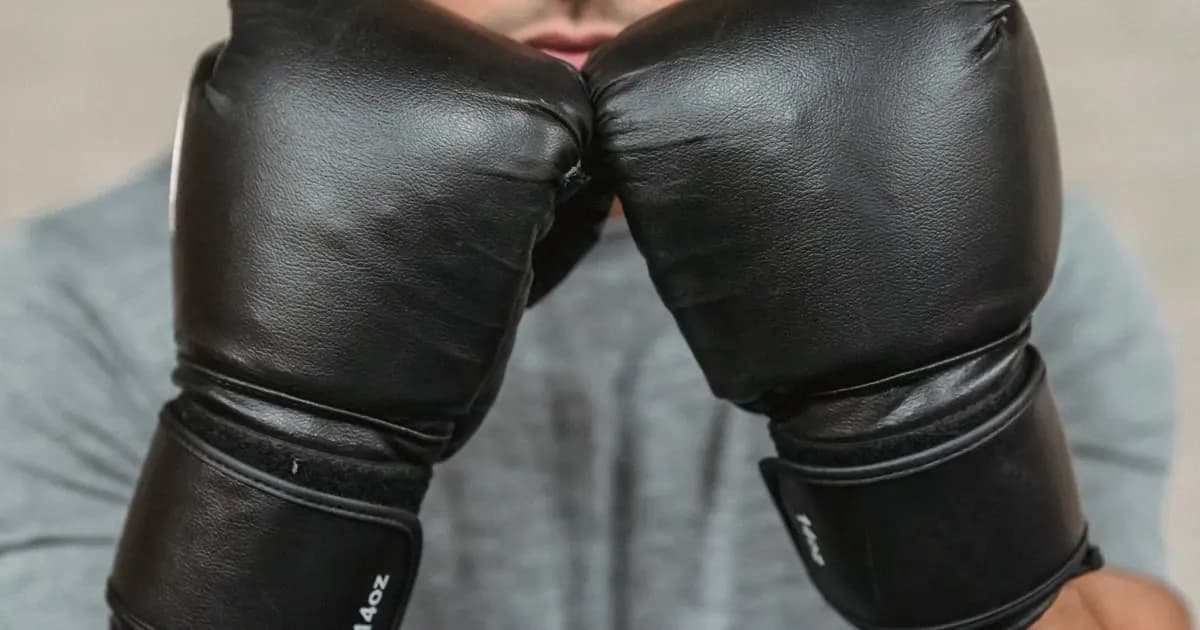
Wraps add a structured layer around the knuckles, hand, and wrist before you put on a boxing glove. They also absorb sweat that would otherwise go directly into the glove. They cannot eliminate pain or injury risk, and a complicated wrap is not automatically a better one.
Start with the right type and length
Reusable cloth wraps are the practical default for most beginner bagwork and padwork. Cotton feels firm and predictable. Semi-elastic material conforms more closely but is easier to pull too tightly. Either works when it can be wrapped consistently and still fit comfortably inside the glove.
For adult beginners, 180-inch wraps, approximately 4.5 metres, are a common and flexible option. The extra length gives you room to cover the knuckles, pass between the fingers if your method uses those passes, and add wrist support. Shorter wraps around 120 inches, or approximately 3 metres, can work for smaller hands, lighter wrapping methods, or people who find a longer wrap too bulky.
Too much unused material often gets piled around the wrist or knuckles, making the glove cramped and the fist harder to close. If a 180-inch wrap always leaves several rushed layers at the end, ask a coach to check your method before choosing a shorter pair.
A good wrap follows a few simple principles
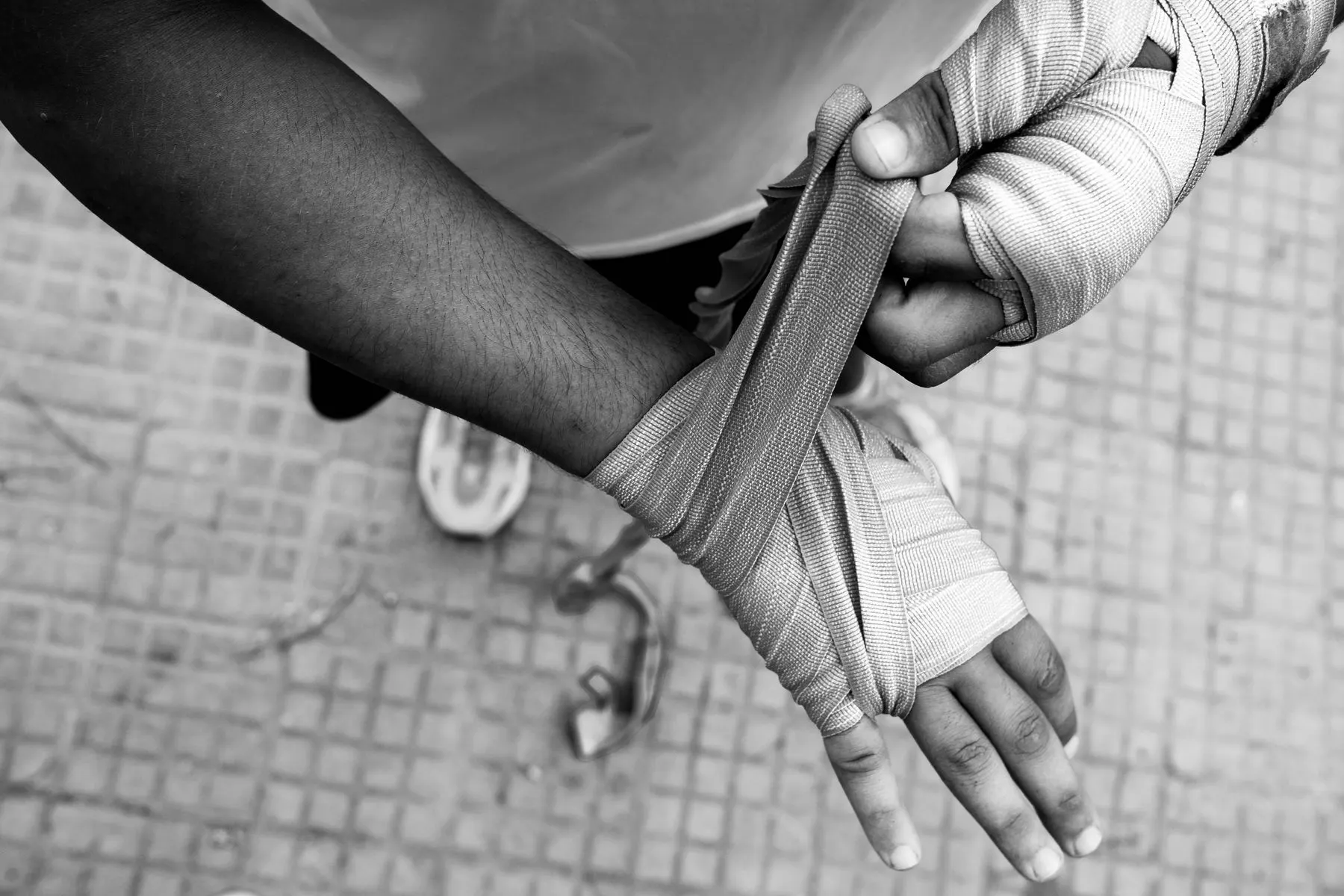
There is no single pattern every boxer must use. Hand size, wrap length, glove fit, and training type affect the details. Focus first on what the finished result should do.
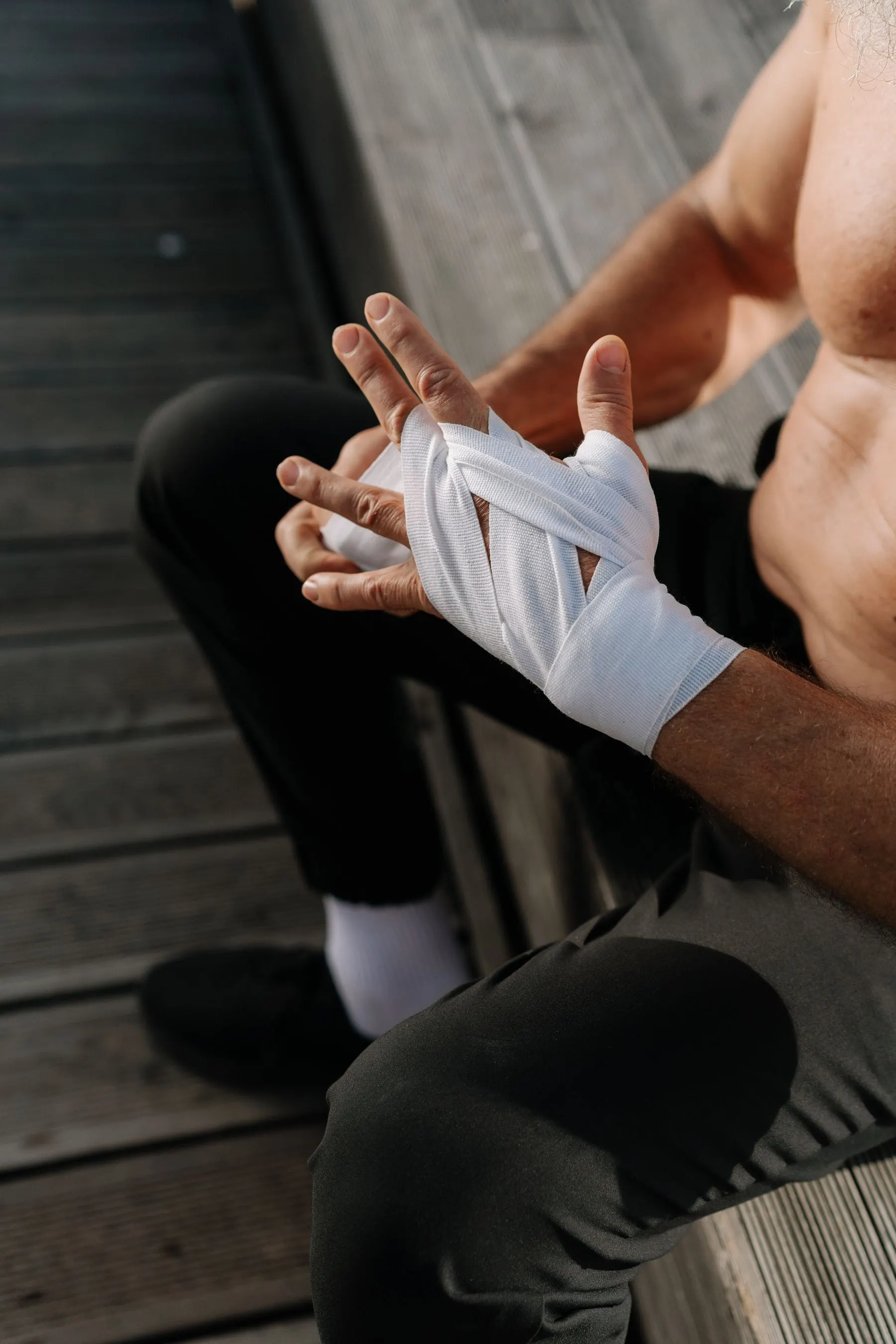
The cloth should lie flat instead of twisting into cords. The knuckles need even coverage rather than one thick lump. The wrist should feel supported while still allowing a comfortable fist. The thumb loop should not pull tightly when finished, and the closure should sit flat without scratching the skin.
Snug is different from tight. A wrap can feel secure without squeezing the hand. If your fingers become cold, numb, discoloured, or tingly, remove the wrap and start again with less tension. Semi-elastic material needs especially light tension because it continues to compress as layers overlap.
Open and close your hand several times before putting on the glove. You should form a natural fist without fighting a large pad of fabric. Check again with the glove on; a neat-looking wrap that creates pressure still needs adjustment.
This is one reason coached feedback helps early on. A coach can see whether the material is balanced and whether the final shape suits the glove being used. If you want context on how coached boxing sessions are organised in Seoul, Boxing and Strength Classes shows the broader training approach without turning equipment choice into a sales decision.
Buying boxing wraps in Korea or Seoul
In Korea, length may be listed in centimetres or metres. A product marked 450 cm is roughly a 180-inch wrap. Online listings may use terms such as 복싱 핸드랩 or 권투 붕대. Check the measurement, material, and whether the listing includes a pair.
For a first purchase, reusable cotton or semi-elastic wraps with a thumb loop and hook-and-loop closure are more relevant than specialised competition gauze and tape.
Do not assume every gym provides both gloves and wraps. Shared gloves may be available while personal wraps are expected for hygiene and fit. Confirm what to bring, and remember that the wrapped hand must fit inside the glove without pressure points.
Wash, dry, and store them properly
Hand wraps collect sweat quickly. Leaving them rolled in a gym bag keeps them damp. Unroll them fully after training, even if you cannot wash them immediately.
Follow the care label because materials differ. Many cloth wraps can be washed cold in a mesh bag to prevent tangling. Close the hook-and-loop tab to reduce snagging. Air drying is the safest default when the label is unclear.
How often you wash them depends on how much you sweat and how often you train, but a clean pair for each session is the simplest standard. Owning two or three pairs makes this easier because one pair can dry while another is ready to use.
Replace wraps when the closure no longer holds, the fabric develops major tears or thin sections, the elastic no longer returns to shape, or persistent odour remains after proper washing and drying. Slight fading is cosmetic. A closure that opens during training or material that no longer lies flat is a functional problem.
Common beginner mistakes
The first mistake is pulling every pass as tightly as possible. More tension does not mean more support. It usually means discomfort once the hand expands with movement and heat.
The second is putting all the extra material in one place. A thick stack over the knuckles can crowd the glove, while a large wrist bundle can limit movement. Spread the material according to the method your coach teaches.
The third is copying a wrap designed for another purpose. Competition gauze and tape are not reusable training wraps. Start with the method used in your actual sessions.
The fourth is treating wraps as permanent equipment. They are washable fabric that takes repeated tension, sweat, and friction. Inspect them when you roll them after drying, and replace them when the closure or material stops doing its job.
FAQ
Do beginners need hand wraps for boxing?
For most glove-based bagwork and padwork, reusable hand wraps are a sensible standard layer under the gloves. The exact type and method depend on the session, equipment, and coach. Confirm the gym's requirements rather than assuming one setup fits every class.
What length boxing hand wraps should I buy?
Many adults start with 180-inch, or roughly 4.5-metre, wraps because they allow several wrapping methods. People with smaller hands or a lower-volume method may prefer something shorter. The finished wrap should fit inside the glove comfortably and still let you close your fist.
How often should I wash or replace boxing hand wraps?
Ideally, use a clean, fully dry pair for each session. Wash according to the care label and unroll the wraps immediately after training. Replace them when the closure fails, the fabric becomes badly worn, the stretch no longer recovers, or odour remains after proper cleaning.
The best beginner wrap is not the most technical one. It is the one that fits your hand and glove, stays comfortable through the session, and is simple enough to wrap and care for the same way every time.
Train With BODY SMITH