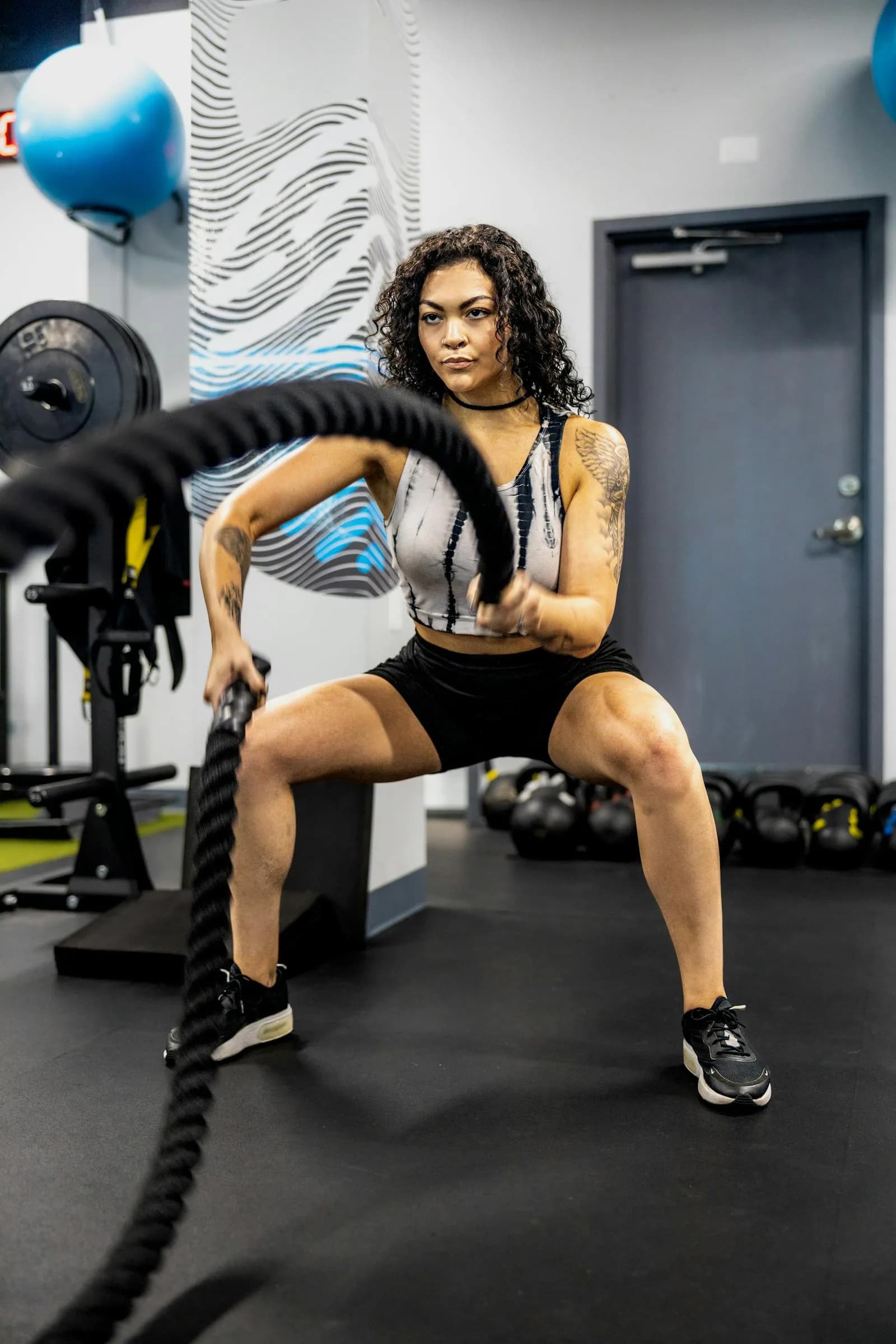
Body Recomposition: What It Actually Is, and Why It Feels So Slow
Body recomposition means losing fat and building muscle at the same time. Learn why progress feels slow and how training, protein, and consistency help.

If you've been training consistently, eating reasonably well, and still feel like nothing is really changing — you're not imagining it, and you're not doing it wrong. What you're probably experiencing is the reality of body recomposition: the slow, unglamorous process of reducing fat while maintaining or building muscle at the same time.
It's one of the most talked-about goals in fitness and one of the most misunderstood. Not because the concept is complicated, but because expectations around it are almost always off. This article explains what recomposition actually involves, why it feels the way it does, and what gives it the best chance of working in real life.
Let's Clear Up the Biggest Misconception
Most people come to recomposition expecting something that looks like a transformation — visible, relatively quick, measurable on the scale. That's not how it works.
Recomposition is slow by nature, because you're asking your body to do two things simultaneously that typically require different conditions. Fat loss is generally supported by a calorie deficit; muscle growth is generally supported by a calorie surplus. Doing both at once means operating in a narrow middle ground where progress on either front is gradual.
The scale is also a poor guide here. Your weight might barely move for weeks while your body composition is actually shifting — less fat, a little more muscle, better movement quality. If you're only watching the number, it's easy to conclude nothing is happening when it actually is.
InBody scans, which are widely available in Korea, can be more informative than scale weight alone — but they add their own confusion if you expect dramatic changes week to week. The useful timeframe for recomposition is months, not weeks.
What's Actually Happening Under the Hood
Recomposition comes down to two parallel processes running at the same time:
If you want more on why the strength side matters specifically, the useful idea is that strength training gives your body a reason to keep muscle while your eating habits support gradual fat loss. Strength Training For Fat Loss
- Your body is slowly reducing fat stores through a sustained, manageable energy deficit. And at the same time, strength training and adequate protein are giving your body a reason to maintain — or gradually build — muscle.
- Remove either side and the process breaks down. Dieting without strength training tends to result in muscle loss alongside fat loss, which leaves people lighter but not necessarily leaner in the way they wanted. Strength training without enough protein or recovery limits your ability to hold onto the muscle you have.
- This is why people feel stuck even when they're putting in effort. They're usually doing part of the process — just not enough of both sides consistently.
Why It Feels Like Nothing Is Working
This is worth addressing directly, because it's the part that causes most people to quit or start chasing a different approach.
Recomposition progress is happening on two fronts simultaneously, but in small increments on each. A little fat lost, a little muscle maintained or added — the visual change can take a long time to show up clearly. Meanwhile, your weight on the scale might stay almost identical, which feels discouraging even when it's actually a sign things are working.
There's also a psychological component. Bulk and cut cycles feel more "active" — the scale moves, something seems to be happening. Recomposition is quieter. The wins are subtler: clothes fitting differently, movements feeling easier, strength numbers slowly climbing. These are real signs of progress, but they require patience and a willingness to trust a process that doesn't give immediate feedback.
The Habits That Do the Heavy Lifting
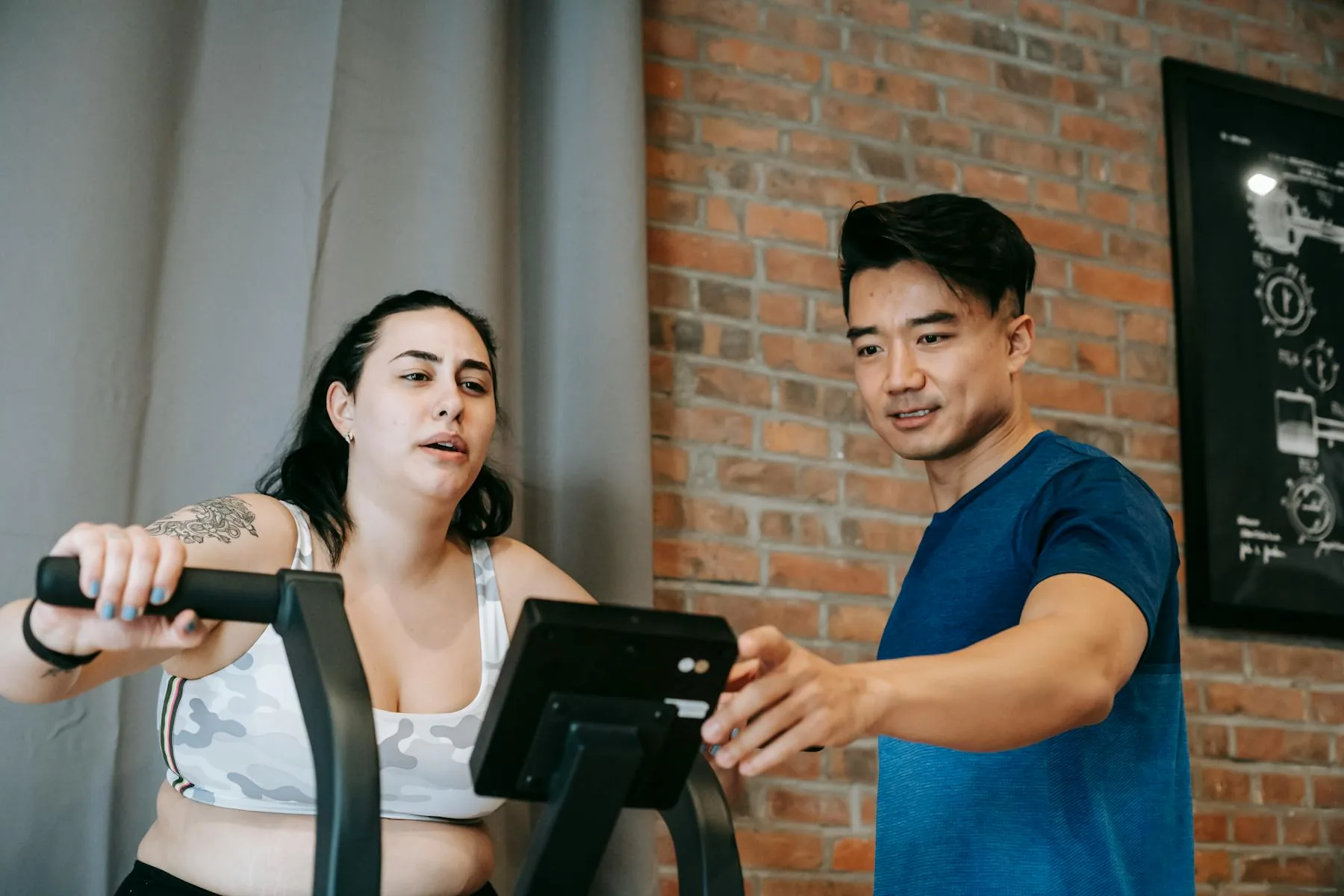
Recomposition doesn't require a complex program. It requires a handful of habits that are simple enough to repeat consistently — which, in practice, is harder than it sounds.
Strength training two to four times a week. Not daily, not random. A clear, repeatable structure that you can maintain even during busy weeks. Consistency over time matters far more than any specific program.
Consistent protein intake. You don't need extreme amounts, but you do need to hit a reasonable target most days. Protein supports muscle retention and tends to make managing hunger easier — both useful during a fat loss phase.
Sleep and recovery. In a city where late nights, long work hours, and packed social schedules are the norm, this is often the first thing to slip — and it has a real impact on how your body responds to training and how well you manage appetite and energy.
A steady, moderate approach to eating. Strict restriction followed by overeating tends to undermine the process. A consistent, sustainable intake — even if imperfect — works better than cycling between extremes.
For a clearer sense of what protein intake looks like in practice, think less about one perfect number and more about hitting a reasonable target consistently across normal meals. Protein Intake For Training
None of these are revolutionary. But recomposition is built on all of them running in parallel, not just one or two.

Making It Work in a Seoul Context
Generic fitness advice tends to assume you have full control over your meals, a predictable schedule, and evenings free to train and recover. That's rarely how life here works.
Meals are often social — Korean BBQ, shared dishes, late dinners that you didn't plan for. Work hours are unpredictable. Commutes are long. Convenience store meals fill the gaps more than anyone intends.
The good news is that recomposition is actually well-suited to this kind of environment, because it doesn't require perfection. It requires patterns. Regular training sessions, reasonable protein across most meals, and portion awareness during social eating — those three things, done consistently over months, will move the needle even without a rigid diet plan.
The approach that works here is a flexible one. Not "eat exactly this" but "eat like this most of the time." Not "train six days a week" but "train two to three days reliably, every week."
For structuring training around a real Seoul schedule, the key is to choose repeatable training days before you worry about optimizing every detail. Workout Routine Seoul
Short answer
A healthy weight usually means your body weight sits in a range that is broadly compatible with health markers, daily function, and lower long-term risk. An aesthetic weight is the weight someone believes will create a certain look.
Those two can overlap, but they often do not.
Someone can be at a healthy body weight and still want more muscle definition, better posture, or a different clothing fit. Someone else can reach the number they thought was their aesthetic goal and still feel dissatisfied because the underlying issue was not weight alone.
That is why healthy weight vs aesthetic weight is not really a fight between health and appearance. It is a reminder that the number on the scale is a blunt tool. If the goal is to look leaner, stronger, or more balanced, body composition usually matters more than pushing weight lower and lower.
What to focus on instead
If appearance matters to you, it is more useful to track the variables that actually influence appearance.
Body composition is the first one. More muscle and less excess body fat can change shape even when body weight changes slowly. This does not mean everyone needs to become muscular. It means muscle gives the body structure. For many people, the look they want is not simply "smaller"; it is more balanced, firmer, or more athletic.
Clothing fit is another useful signal. Waistbands, shirts, dresses, and jackets often tell you more than a daily weigh-in. If clothes fit better but weight is stable, something meaningful may still be changing.
Training performance matters too. If your strength, energy, and consistency are improving, your habits are probably moving in a better direction than a crash diet that only lowers the number.
Finally, pay attention to sustainability. If reaching a target weight requires constant hunger, social isolation, poor sleep, and anxiety around meals, that number may not be a realistic place to live.

FAQ
Can I actually lose fat and gain muscle at the same time?
Yes — especially if you're newer to training or returning after a break. It requires consistent strength work, enough protein, and a sustainable calorie balance. Progress is gradual rather than dramatic, but it's real.
How long does recomposition realistically take?
Most people start noticing meaningful changes after three to six months of consistent effort. Significant visual differences typically take longer. If you're expecting results in a few weeks, you'll likely be disappointed — not because the process isn't working, but because the timeline doesn't match the expectation.
Should I bulk or cut instead?
It depends on your starting point. For many beginners or people returning to training, recomposition is worth prioritizing first — building habits and improving body composition gradually before committing to a more specific direction. For advanced lifters, dedicated bulk or cut phases may be more efficient.
Train With BODY SMITH