Starting boxing in your 40s: a realistic beginner approach
Starting boxing in your 40s does not require pretending you are twenty or preparing for competition. It can mean learning stance and punches, working on
Starting boxing in your 40s does not require pretending you are twenty or preparing for competition. It can mean learning stance and punches, working on pads, building general conditioning, and enjoying a skill-based form of training at a pace that fits adult responsibilities. Age changes the context, but it does not create one universal programme or deadline.
The useful first goal is not proving how hard you can train. It is finding a coached format you can repeat, recover from, and gradually understand.
Decide what “starting boxing” means for you
Boxing training can include technical drills, shadowboxing, bagwork, padwork, conditioning, strength work, partner drills, and sparring. Those elements are not automatically bundled together, and sparring is not required for someone who wants non-competitive training.
Tell the coach what interests you and what does not. “I want to learn technique and improve fitness, but I am not interested in sparring” is a clear goal. You can change that preference later, but there is no need to accept contact training to count as a boxer or beginner.
Also share relevant training history, current limitations, and any professional guidance you already follow. A blog cannot determine whether boxing is appropriate for a particular health condition or injury; consult an appropriate professional when individual clearance or modification is needed.
Let the first month feel almost too manageable
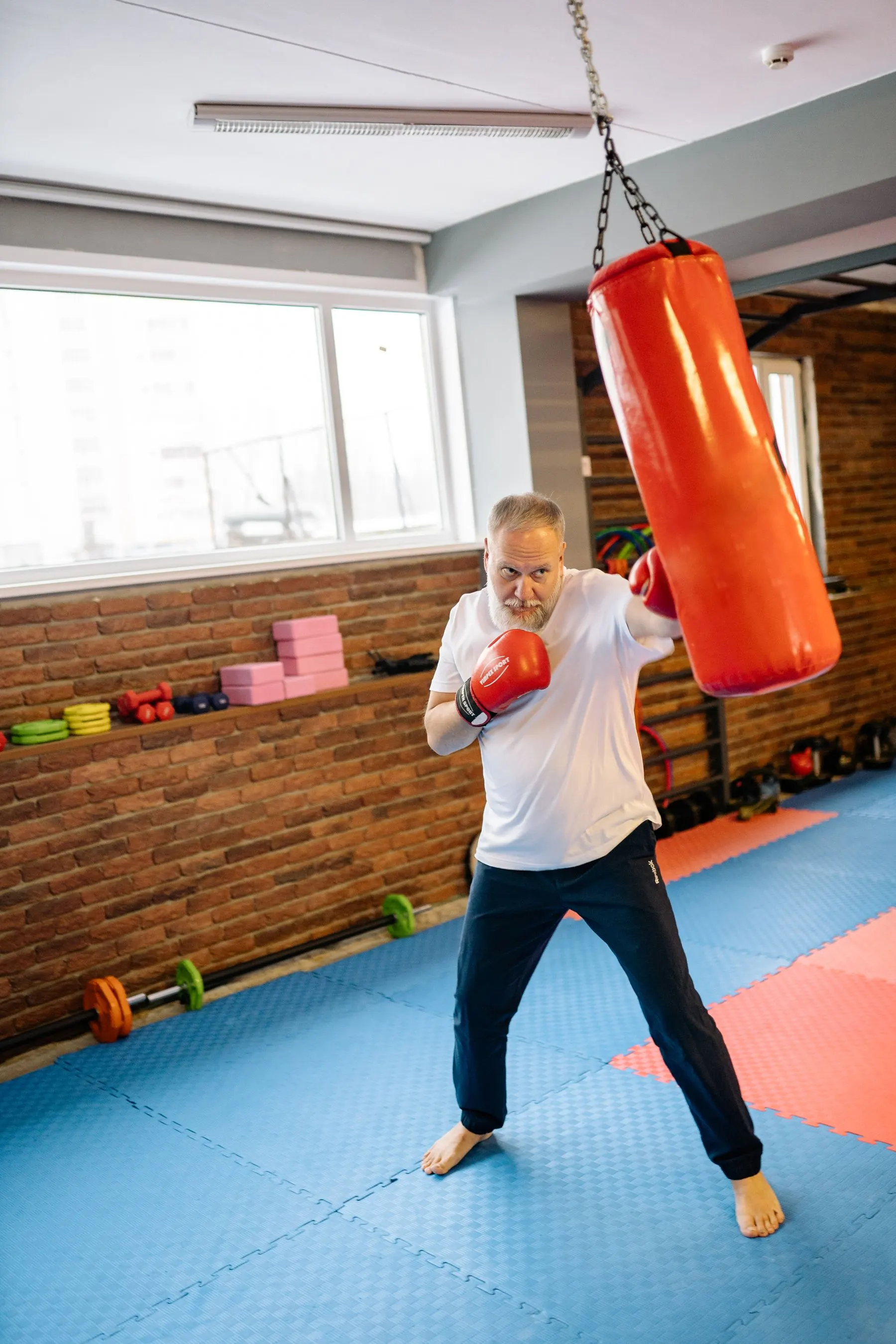
The first sessions create unfamiliar fatigue. Holding a guard, rotating through a punch, moving in stance, and reacting to pad cues use coordination that ordinary strength or cardio training may not have developed. Even a fit runner or lifter can feel awkward and tired.
Begin with a schedule that leaves room to assess recovery. For some adults, two coached sessions per week is a practical start. Others may do less or more depending on duration, intensity, work, sleep, and existing training. The number is not a rule; the point is to avoid stacking several hard new sessions before learning how the body responds.
During weeks one and two, learn the class flow and basic stance. In weeks three and four, repeat the same fundamentals with slightly better rhythm. Adding rounds is less important than finishing in enough control to remember what the coach asked you to practise.
Skill goals make progress visible
Conditioning changes from day to day, especially around demanding work schedules or poor sleep. Skill goals provide another measure of progress. You might aim to return the jab to guard, finish a one-two in balance, move without crossing the feet, or complete a pad round while breathing consistently.
These are modest targets, but they make a session purposeful without requiring maximal effort. Film only when the gym permits it and other members are not captured. A short clip or coach's note can show changes that are hard to feel in the moment.
Avoid comparing your pace with a younger or more experienced classmate. Their training history, recovery, and goals are different. The relevant comparison is whether your own movement is becoming clearer and more repeatable.

Recovery belongs inside the plan
Schedule hard sessions around the week you actually live, not an ideal calendar. A late work night, business dinner, commute, or family responsibility changes available energy. Moving a demanding session is better than treating exhaustion as a discipline test.
Use easy movement, normal meals, hydration, and sufficient sleep as basic recovery habits. You do not need a complicated supplement plan to begin. Keep strength training if it supports your goals, but reduce duplicated fatigue while boxing is new. For example, a high-volume shoulder workout immediately before padwork may make technical practice unnecessarily difficult.
Normal training effort and unfamiliar muscle soreness can occur, but sharp pain, altered sensation, dizziness, or symptoms that concern you should not be pushed through. Stop and seek appropriate professional guidance.
Choose coaching that respects an adult beginner
Good onboarding explains the stance, demonstrates the drill, and gives one or two usable corrections. It should not assume that every beginner wants to compete or that fatigue is the only sign of a valuable session.
Ask how the gym separates beginner work from advanced or contact practice, whether equipment is provided for a trial, and how intensity can be adjusted. English-friendly instruction may matter in Seoul because small distinctions—lead versus rear hand, turn versus lean, relaxed versus loose—affect both confidence and movement.
Boxing and Strength Classes shows one example of a structured format combining coached boxing, conditioning, and strength. Use it as context, then compare any facility by whether its teaching style and schedule fit you.
Equipment can wait until the format is clear
For an initial session, ask what clothing, shoes, wraps, and gloves are required. Many gyms have trial equipment, while others expect personal wraps. Do not buy premium gloves before knowing the typical glove weight, session type, and coach preference.
When you do buy equipment, prioritise fit, cleaning, and ease of use. Owning several specialised pairs will not accelerate basic coordination. One appropriate setup that is dry and ready for each session is enough.
Common mistakes adult beginners make
The first is making the opening week a test of lost fitness. The second is adding boxing on top of an already full training schedule without removing anything. The third is hiding uncertainty and copying faster members instead of asking for the drill to be repeated.
Another mistake is thinking every session should feel better than the last. Skill learning fluctuates. A calm session that fixes one footwork error can be more productive than a hard session filled with rushed combinations.
FAQ
Is 40 too old to start boxing as a beginner?
Forty is not automatically too old for non-competitive boxing training, but suitability and pace depend on the individual. Choose appropriate coaching and seek professional guidance for personal health concerns.
Do I need to spar if I start boxing in my 40s?
No. Many adults train through drills, pads, bags, conditioning, and strength work without sparring. Tell the gym clearly if you do not want contact practice.
How should an adult beginner pace the first month of boxing?
Begin with a manageable frequency, keep intensity adjustable, and prioritise stance, breathing, and simple combinations. Add volume only after seeing how the sessions fit recovery and daily life.
Starting boxing at forty can be a serious practice without becoming a fight career. Build the smallest repeatable routine, learn the fundamentals under clear coaching, and let consistency determine the next step.
Train With BODY SMITH