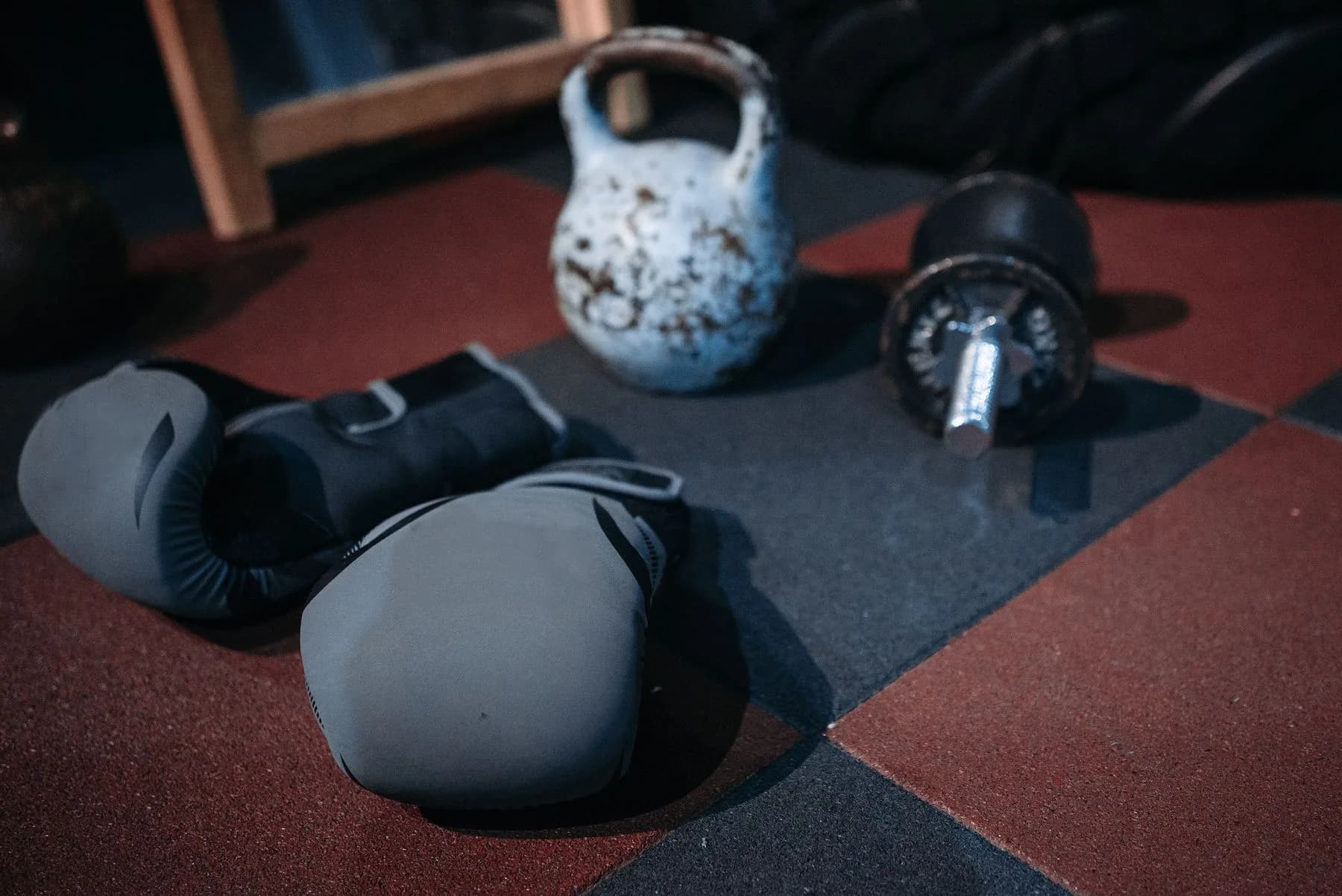
What Beginners Should Know Before Their First Boxing Class
Your first boxing class does not require experience. Learn what to expect, what beginners worry about, and how to start without feeling lost.

Walking into your first boxing class can feel like stepping into the unknown. You might wonder if you'll be able to keep up, whether experience matters, or even what you're actually supposed to do once you get there. If you're looking for a beginner boxing session in Seoul, those questions are completely normal — and you're not alone.
The good news? A beginner boxing class is built for exactly this moment. You're not expected to know anything going in. This guide covers what actually happens in a session, what you can stop worrying about, and how to approach your first few weeks without feeling lost.
What to Expect in Your First Class
Your first session will probably be more structured — and slower-paced — than you're expecting. The goal isn't intensity. It's getting the basics right in a controlled environment.
Most sessions follow a simple flow:
- Warm-up
- You'll start with light movement — skipping rope, mobility drills, or basic conditioning work. It's designed to ease you in, not wear you out.
- Basic technique
- This is where beginners spend most of their time. You'll work on stance, guard position, and simple punches like the jab and cross. Coaches usually demonstrate first, then guide you through each step.
- Pad work or drills
- You may work with a partner or coach holding pads. This tends to be the most engaging part of class. The focus isn't on power — it's on timing and coordination.
- Conditioning
- Short rounds of bodyweight exercises or light circuits, adjustable to your level. You don't need to be "fit" before you start.
- Cool-down
- Most sessions end with stretching or light movement to bring your heart rate back down.
- In a well-structured beginner session in Korea, everything is explained clearly. You're guided through it — you're not expected to figure it out on your own.
What You Don't Need to Worry About
Most beginners share the same concerns before their first class. Most of them turn out to be unnecessary.
You don't need to be fit
Boxing builds your fitness. You don't need to arrive in shape — the class naturally scales to where you are.
You won't be thrown into sparring
Beginner classes focus on technique and controlled drills. You won't be asked to fight or spar unless you decide later that you want to.
You don't need perfect coordination
Everyone feels awkward at first. Learning to move, punch, and stay balanced takes time. Coaches expect this and work with it.
You don't need expensive gear
For your first session, comfortable workout clothes and basic shoes are all you need. Many gyms provide or rent gloves for beginners — worth checking in advance.
If you're joining an English boxing class in Seoul, clear instruction from the start makes a real difference. Understanding the cues early helps you feel more confident right away.
Mistakes That Slow Beginners Down
Getting started is the hardest part. A few common habits, though, can make the process more frustrating than it needs to be.
Trying to go hard too early
New boxers often focus on hitting hard before they've learned how to hit properly. This leads to fatigue and slower progress. Moving slowly and correctly at first always pays off.
Comparing yourself to others
You'll see experienced members moving smoothly and think you're behind. But they've already put in the hours on the basics. Your only job is to improve from your own starting point.
Not coming back after a tough first class
The first session can feel like a lot. That's normal. Progress comes from showing up again — not from having a perfect first experience.
Overthinking every movement
Boxing is physical learning. You don't need to understand everything at once. Focus on one or two cues at a time and let the rest come naturally.
For more on this: common beginner boxing mistakes can make the first few weeks feel harder than they need to be
A Simple Approach for Your First Month
Instead of trying to absorb everything at once, keep your first month consistent and low-pressure.
Weeks 1–2: Get comfortable
Show up, learn the flow of class, and get used to basic movements. Don't worry about how you're performing.
Weeks 3–4: Build rhythm
You'll start recognizing combinations and moving more naturally. Your coordination improves without forcing it — just by showing up regularly.
Keep sessions consistent
Two to three sessions per week is plenty to see progress. Regular exposure matters more than intensity.
Pay attention to the fundamentals
Keeping your hands up, staying balanced, and breathing properly will take you further than trying to learn complex techniques too soon.
If you're exploring beginner boxing options in Seoul, consistency and clear structure matter more than anything else early on.
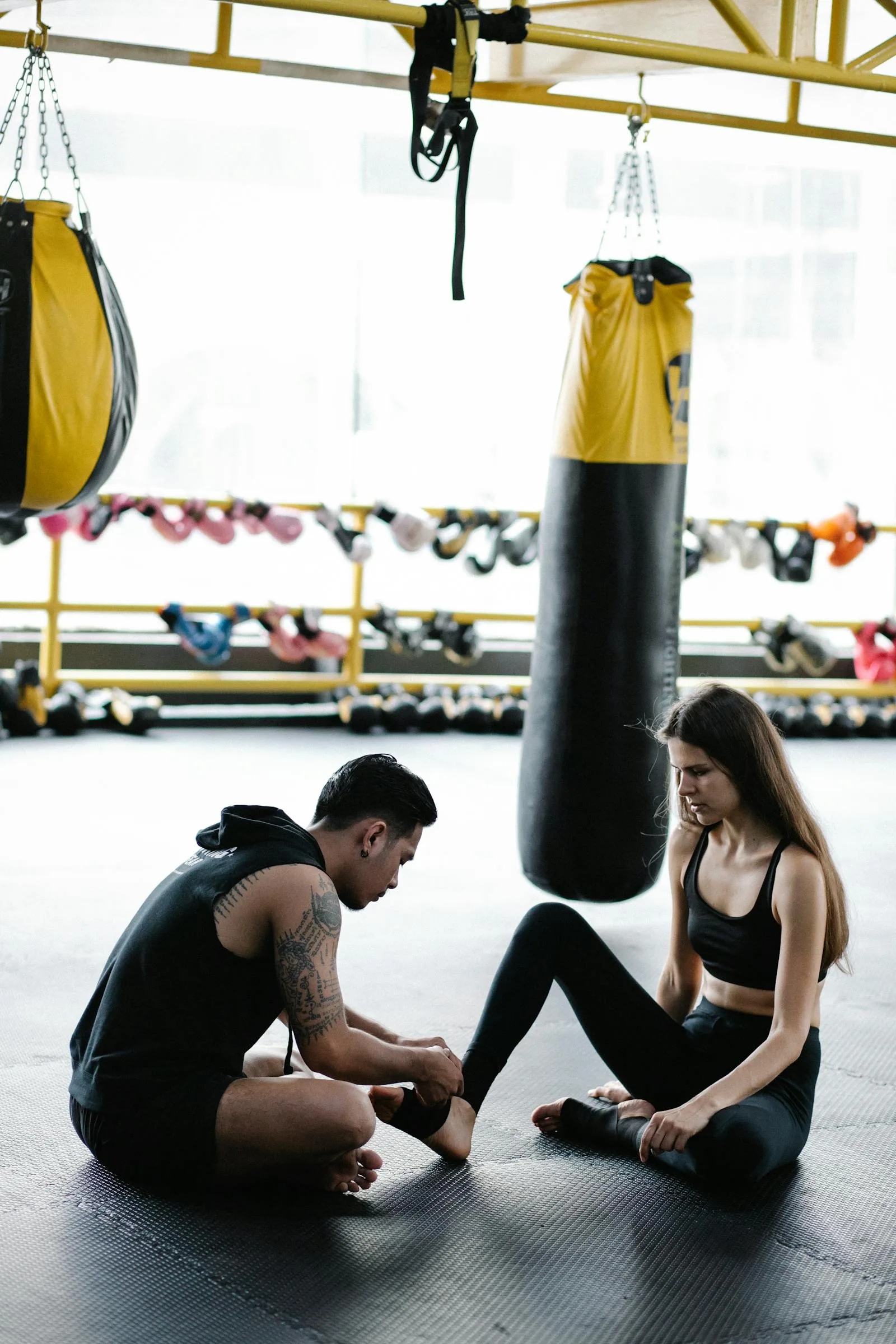
Why Good Coaching Makes a Difference
The right coaching environment can change a lot, especially when you're just starting out.
Clear instruction speeds up progress
When you understand what you're doing and why, you improve faster and feel more confident doing it.
Structured sessions remove the guesswork
Instead of random workouts, a structured boxing and strength format helps you know what to expect — and gives you something to measure against.
Smaller groups mean better feedback
When coaches can watch you closely, small mistakes get corrected early before they turn into habits.
At BODY SMITH, sessions are designed so beginners can follow along without feeling lost. The combination of boxing, conditioning, and strength work is built to develop confidence step by step. For an overview of how sessions are structured, see: Classes
Not sure if it's the right fit? The easiest way to find out is to try one session.
Final next step:
Ready to try a structured, beginner-friendly boxing session? Book a trial session here: Booking
Minute 1 — Your stance is already stealing your balance
Before you throw a single punch, your stance decides how the rest of the round will feel.
Most beginners stand too square, or too stiff. Feet flat, knees locked, weight evenly distributed—like you're posing for a photo, not preparing to move. It feels stable. But it removes your ability to shift quickly. When the first combination is called, your upper body goes, and your base doesn't follow.
A coach doesn't start by correcting your punches. They adjust your feet.
A slight turn of the lead foot. A small bend in the knees. Weight that's ready to shift, not just hold. Suddenly, movement feels less forced—you're not generating speed, you're allowing it.
Once your stance becomes functional, everything else becomes easier to learn.
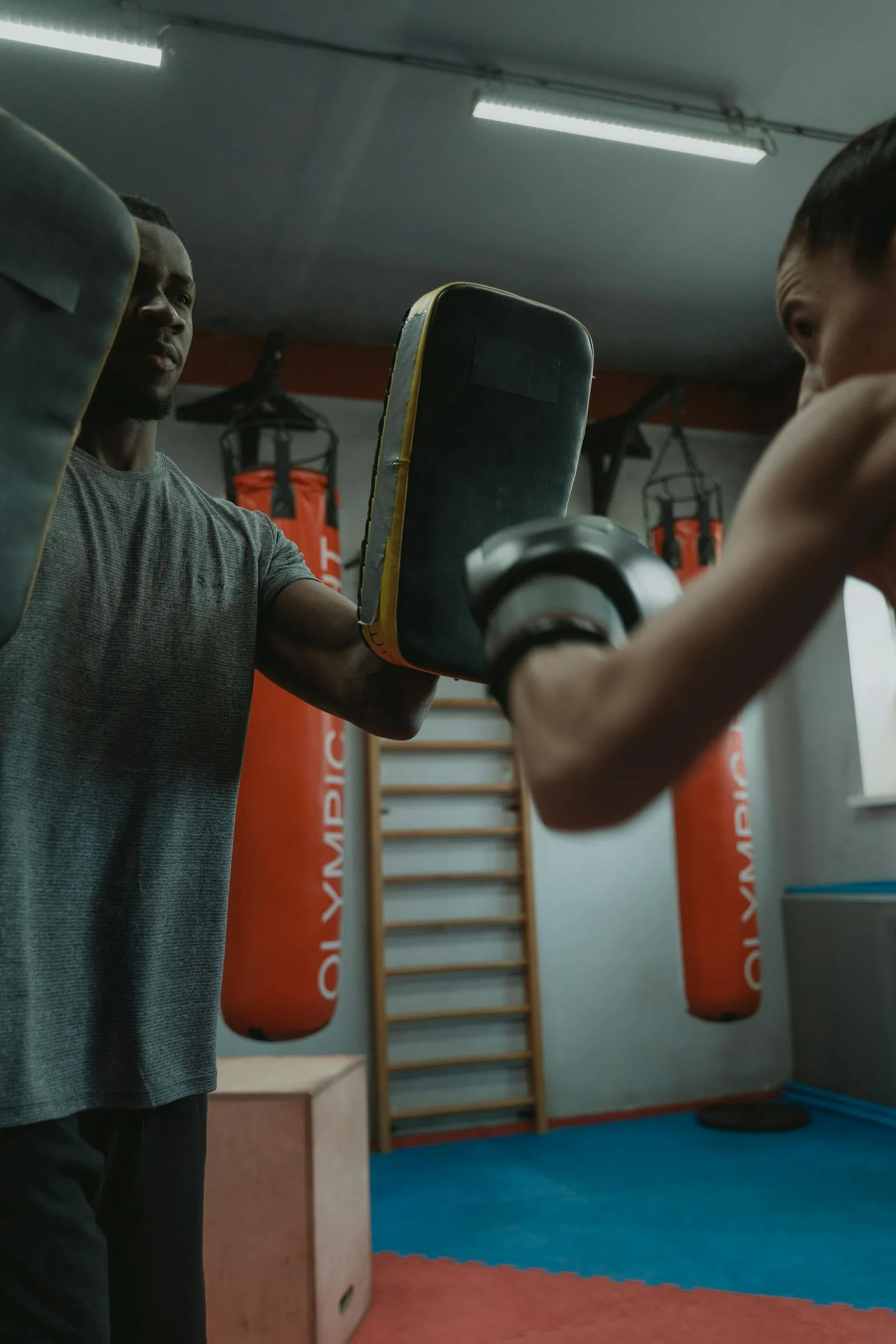
Minute 5 — Your shoulders are doing too much work
By now you've thrown a few combinations, and your shoulders are already tired.
Not because boxing is too hard—because you're lifting your arms instead of letting them flow. Beginners often carry tension in their shoulders, raising them slightly as a form of protection. It feels safer. But it drains energy fast, and you'll notice it when your punches slow down after just a few rounds.
A coach will give one simple cue: relax your shoulders. Keep your hands up without lifting them.
It sounds minor. It changes everything. When the shoulders drop, the arms move more freely. The punches stop feeling forced.
This is one of the most common technique basics that gets overlooked—not because it's complicated, but because tension feels like effort, and effort feels like progress. Controlled relaxation is what actually keeps you going longer.
Minute 12 — Holding your breath makes everything harder
You don't notice it at first.
But halfway through a round, your breathing goes irregular. Short inhales, long pauses, then a sudden need to catch up. Many beginners unconsciously hold their breath when punching—especially when trying to get the timing right.
This is where training starts to feel overwhelming.
Your heart rate spikes faster than expected. Combinations feel rushed. Footwork disconnects. Not because your fitness is lacking, but because your breathing isn't supporting your movement.
The fix is simple: exhale lightly with each punch.
It resets your rhythm. Punches feel less heavy. Movement becomes more continuous. Instead of fighting your body, you're working with it.
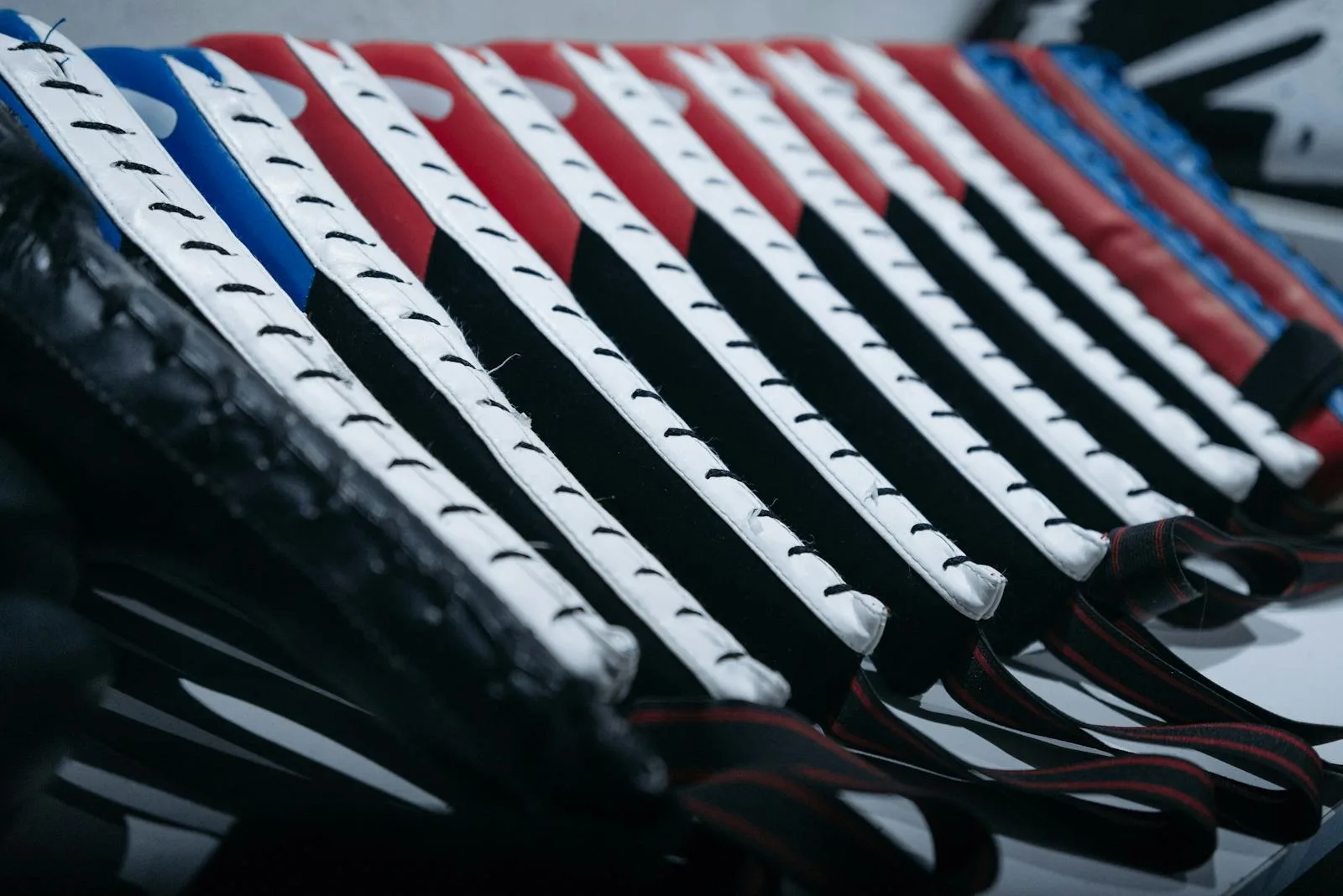
Minute 20 — Power is not the first correction
At this point, frustration tends to show up.
You start hitting harder—trying to make the punches feel real. But the harder you push, the more your form breaks down. Feet stop moving. Shoulders tense again. Breathing goes. This is where beginner mistakes start compounding.
Power feels like the solution. It's often the problem.
A coach will scale things back. Slower combinations. Lighter contact. Focus on timing and connection over impact. It might feel like a step backward—it's actually the first step toward control.
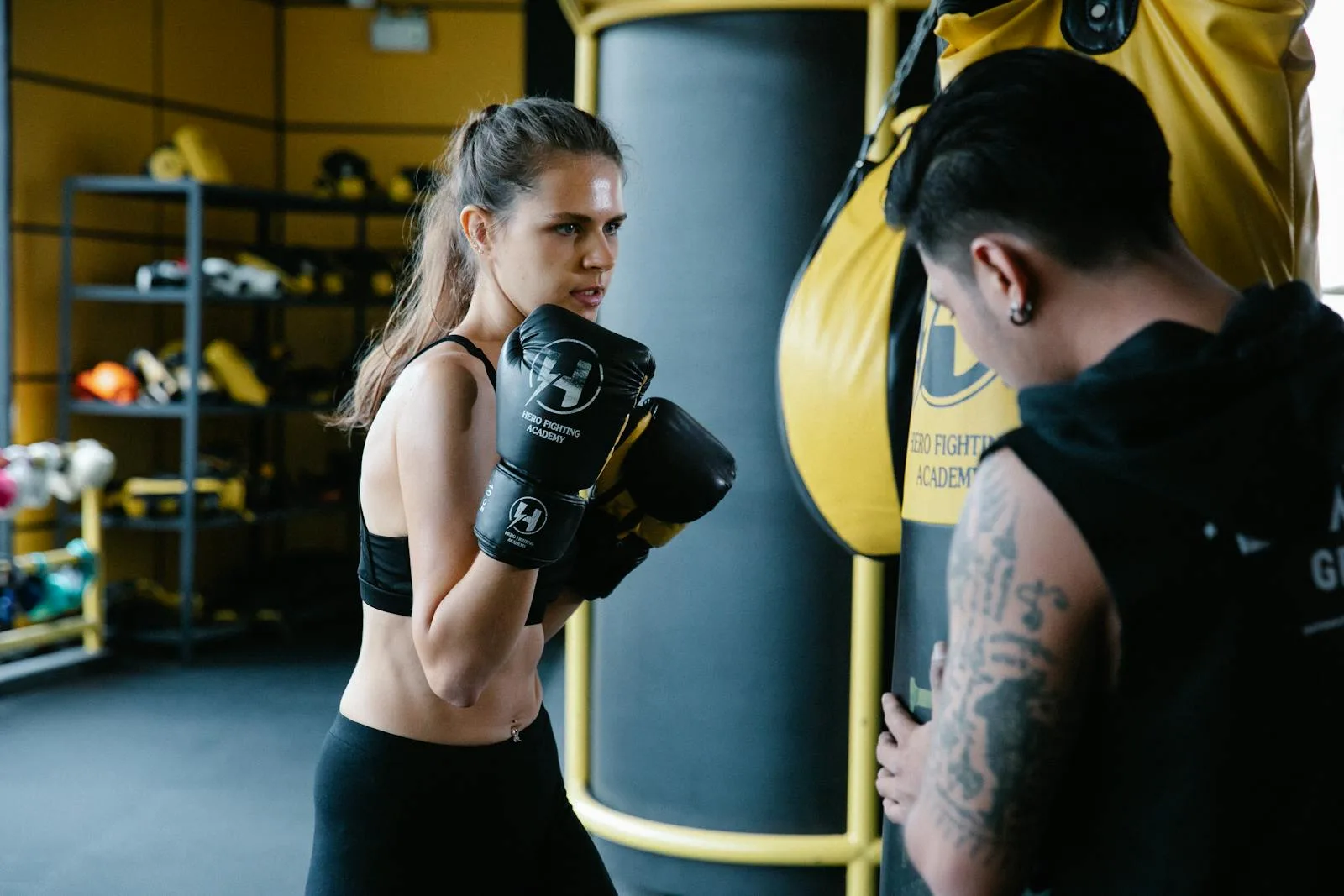
What a coach would fix first
Looking at the first 20 minutes, the pattern is clear: it's not about learning more techniques. It's about removing friction.
A coach prioritizes:
- A stance that allows movement, not just stability
- Shoulders that stay relaxed under light tension
- Breathing that matches the rhythm of your punches
- Power that comes after control, not before
None of these are advanced skills. But together, they change how the entire session feels—which is why beginners often notice a dramatic difference between their first few classes and later ones. Not because they got stronger, but because they stopped making training harder than it needed to be.
If you are still figuring out what a first session should feel like, this guide to your first boxing class gives the broader beginner context.
If you want a clearer first-session structure, Classes is a useful next step to understand how coached boxing sessions are organized.
FAQ
What should I expect in my first boxing class?
A structured session with a warm-up, basic technique, simple drills, and light conditioning. Everything is explained step-by-step — no prior experience needed.
Do I need to be fit before starting boxing?
No. Boxing classes are designed to build your fitness over time. You start at your current level and improve gradually.
What should I bring to a boxing class?
Comfortable workout clothes and water. Many gyms provide gloves for beginners, but it's worth checking ahead of time.
Train With BODY SMITH