Boxing vs personal training: a decision guide for your next workout
Boxing vs personal training becomes clearer when you stop comparing workout names and start comparing outcomes.
Boxing vs personal training becomes clearer when you stop comparing workout names and start comparing outcomes. One option gives you rhythm, movement, and a strong training feeling. The other gives you programming, exercise selection, and individual correction. Many people need a mix.
The right choice depends on what is currently missing from your routine.
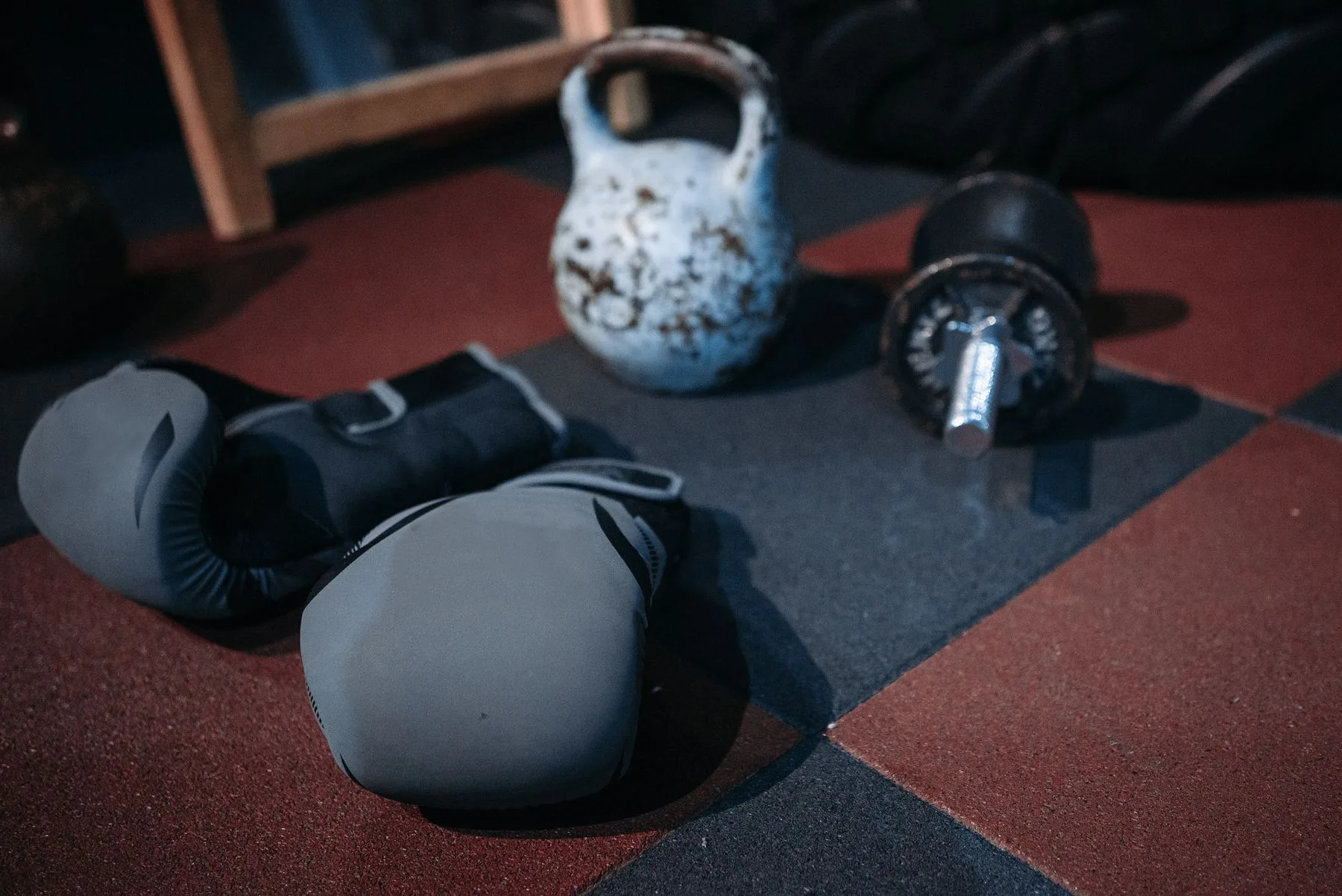
Choose Boxing When Your Routine Feels Flat
Boxing is useful when you want a session that demands focus. The hands, feet, eyes, and breathing have to work together. That makes the workout feel more engaging than repeating machines or doing a steady cardio block.
It can help people who lose interest in standard gym routines. Padwork and combinations give immediate feedback. You know when the timing feels clean and when it does not. That feedback keeps the mind involved.
The limitation is that boxing by itself may not organize every part of fitness. It can be excellent for conditioning and coordination, but strength, mobility, and long-term progression still need planning.
Choose Personal Training When You Need a System
Personal training is stronger when the problem is structure. If you do not know which exercises to choose, how heavy to go, how to progress, or how to build a weekly plan, a trainer can create the framework.
This matters for people who want measurable progress. A good trainer can track movement quality, adjust load, manage rest, and keep sessions connected over time. That kind of continuity is harder to get from a class chosen at random.
Personal training works well for people who want confidence in the gym. The goal is not only to complete a workout. It is to understand why the workout is built that way.

The Most Practical Answer Is Often Hybrid
Many clients do not need a pure boxing path or a pure strength path. They need a session that starts with skill and energy, then includes structured strength work. That creates a complete training hour without making the workout feel repetitive.
A hybrid format is especially useful for newcomers, busy professionals, and visitors who want one private session. Boxing gives focus and pace. Strength training gives stability and progression. The coach decides how much of each belongs in the session.
Use a Three-Question Filter
- Do I need more motivation and movement? Start with boxing.
- Do I need a repeatable plan? Start with personal training.
- Do I want one session that covers the two sides? Choose a hybrid private workout.
This filter is more useful than asking which method is superior. Superior for what: energy, skill, strength, consistency, confidence, or schedule? The choice changes with the goal.
Where Seoul Personal Training Fits
If you are leaning toward a coached route, the Seoul personal training page is the more relevant next step. It explains private training as a service rather than treating the gym as open equipment access.
For someone unsure which route to take, the first coached session should reveal the direction. You may discover that you enjoy padwork most, that strength needs more focus, or that a mixed format is exactly what was missing.

Compare the Two by Scheduling Reality
The strongest option is the one you can repeat. A boxing-heavy session may be easier to look forward to since it feels physical and skill-based. A personal training session may be easier to organize into a weekly plan since the exercises, sets, and progression can be tracked.
If your schedule is irregular, a hybrid private session can be useful since each appointment can stand on its own. If your schedule is stable, personal training can build a clearer progression over several weeks. If your motivation drops when workouts feel too predictable, boxing can add variety without turning the session into random exercise.
Use Different Metrics
Do not judge the two formats by the same metric. For boxing, useful signals include timing, coordination, round quality, and how well you keep focus while tired. For personal training, useful signals include load, control, range of motion, session consistency, and whether the plan is progressing.
When the metrics are different, the decision becomes less emotional. You are not choosing the cooler workout. You are choosing the format that gives the feedback you need right now.
Three Common Scenarios
If you sit at a desk all day and feel mentally flat, boxing may create the stronger reset since the session demands focus. If you have tried gyms several times but never built a plan, personal training is likely the more useful starting point. If you are visiting Seoul and want one complete workout, a hybrid private session may give the strongest mix of energy and structure.
A separate scenario is the returning trainee. You may have trained in the past but lost rhythm for a few months. In that case, pure intensity is not the solution. A coach should rebuild confidence, choose a manageable workload, and help you leave with momentum for the next session.
How To Avoid Choosing by Trend
Boxing often looks more exciting online. Personal training can look more serious. Neither impression tells you what your schedule needs. Choose by the problem: boredom, lack of structure, poor consistency, low confidence, or no clear progression.
Once the problem is named, the choice becomes more practical. You can start with the format that solves the biggest friction, then adjust later.
A Quick Scorecard
Give each option a score from one to five for four items: motivation, clarity, repeatability, and measurable progress. Boxing may score high for motivation since the session feels dynamic. Personal training may score high for clarity since the coach can organize the plan. A hybrid session may score well across the middle since it gives skill work and structure in the same appointment.
Use the scorecard honestly. If you know you quit routines that feel dull, motivation deserves more weight. If you keep exercising but never progress, measurable progress deserves more weight. If your schedule changes weekly, repeatability matters more than novelty.
Write the scores down if you are genuinely undecided. A simple note can reveal the pattern quickly: one format may be more exciting, while the other may serve your longer-term goal more reliably.
Visitor, Resident, and Beginner Differences
A visitor in Seoul may not need a long program. They may need one memorable coached workout. A resident may need something that works every week without becoming a scheduling burden. A newcomer may need the format with the clearest instructions, regardless of whether it is labeled boxing or personal training.
These differences are why the same recommendation does not work for everyone. The label is secondary. The session should solve the situation in front of you.
Do Not Use the Two Terms Interchangeably
- Choose boxing when learning stance, footwork, combinations, and padwork is the main reason you want to train.
- Choose personal training when strength, movement quality, body composition, or an individualized plan is the main priority.
- Choose a hybrid session only when the coach can explain how both parts support the same goal.
The decision should describe the coaching you need, not simply which workout sounds harder.
FAQ
Is boxing superior to personal training?
Not universally. Boxing is stronger for rhythm, conditioning, and engagement. Personal training is stronger for programming, correction, and progression.
Can a private session include the two formats?
Yes. A hybrid session can combine boxing drills with strength or conditioning work.
Which should a newcomer choose?
A first-time client should choose the format with the clearest coaching. That may be boxing, personal training, or a hybrid session depending on the coach and goal.
Train With BODY SMITH