Are group classes or personal training better for beginners?
Group classes and personal training solve different problems for beginners. Learn how coaching, privacy, cost, and consistency affect the better choice.
You're standing at the entrance of a gym, looking at two options.
On one side, a group class is about to start—energy, music, people warming up together. On the other, a coach is working one-on-one with someone, giving quiet, focused instructions.
This is where the question starts: which one actually makes more sense when you're just beginning?
Most beginners aren't just choosing a format. They're weighing two concerns: "Will I get enough attention?" and "Will I feel out of place?" The answer depends less on which option is objectively better, and more on how each one handles the moments that actually happen when you train.
That is why the group classes vs personal training decision should start with feedback, confidence, and consistency rather than which format sounds more impressive.
The first session feels different in each format
The difference shows up immediately.
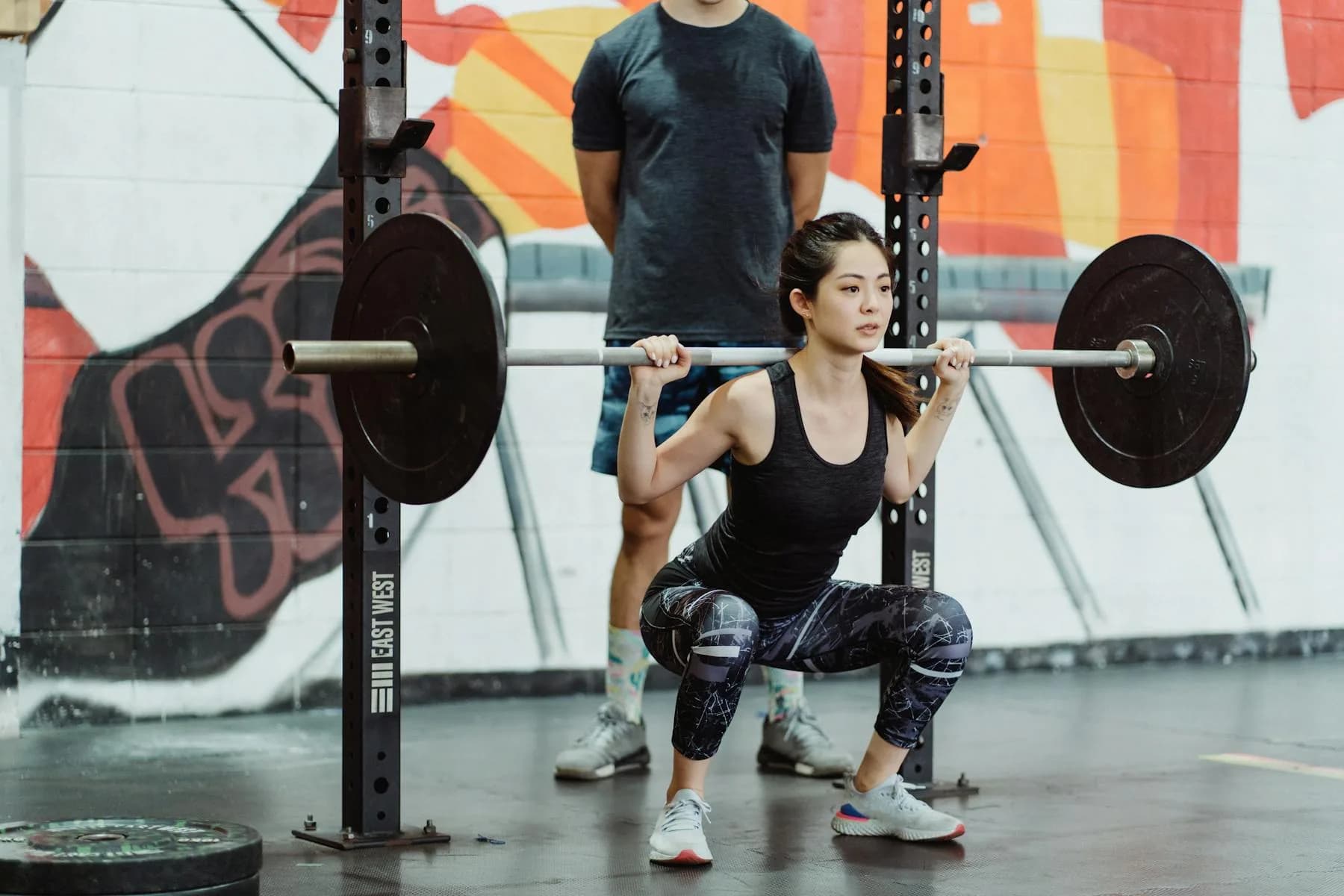
In a group class, the session moves whether you're ready or not. The coach demonstrates, calls out cues, and the room follows. You'll understand most of it—but there are always small details you miss. Foot position, timing, breathing. You keep moving anyway.
That can be a good thing. It removes overthinking. You don't have time to analyze every step, so you stay active and finish feeling like you actually did something.
In personal training, the pace is completely different.
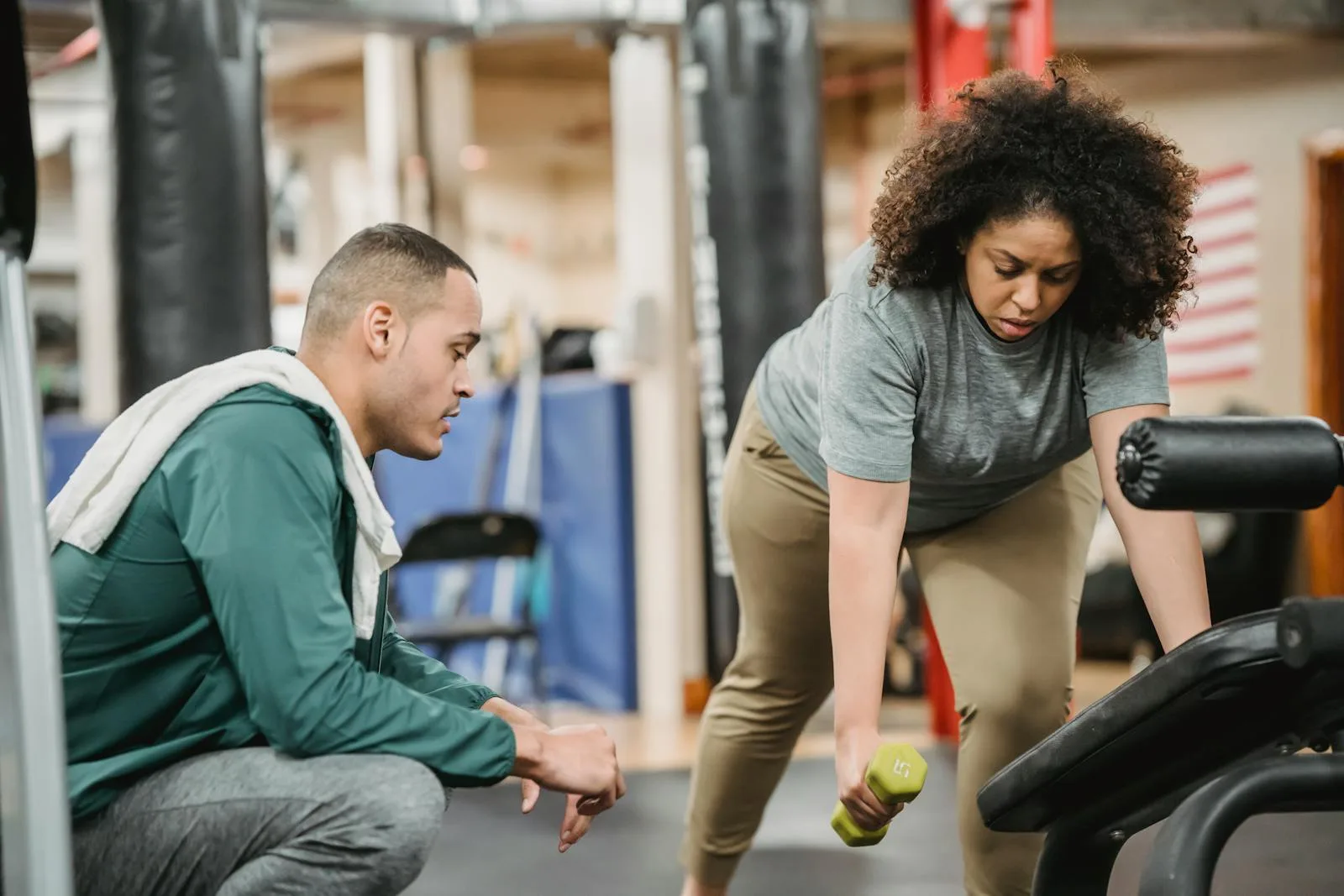
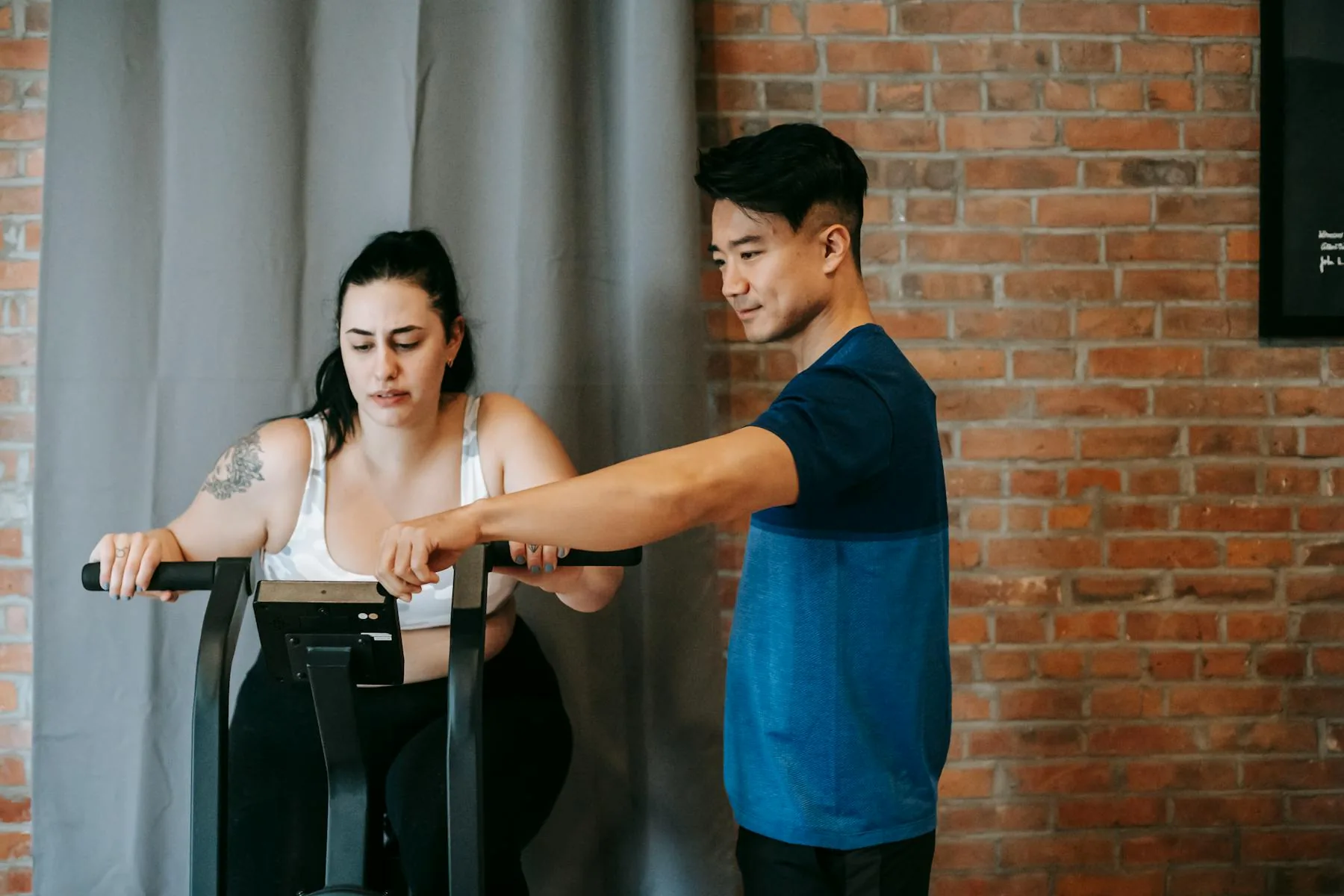
You don't move on until something makes sense. If your stance is off, the coach adjusts it. If your timing is late, they slow it down. The session might feel less intense at first, but it's more precise.
Neither is automatically better. One prioritizes momentum. The other prioritizes clarity.
Group classes solve motivation, but not always confusion
One of the strongest advantages of a group class is consistency.
You show up, and the environment carries you. Even on low-energy days, the structure and pace help you get through the session. This is why many people stick with group training longer than solo routines.
But there's a trade-off.
When something doesn't make sense, it doesn't always get resolved in the moment. Maybe you're unsure about a movement. Maybe your form feels off. The class continues, and you follow as best you can. Over time, this can create small gaps in understanding.
Some beginners are fine with that. They prefer to learn gradually while staying active. Others start to feel stuck—especially when the same confusion repeats across sessions.
Group classes are strong for building habit. They're not always the fastest path to understanding.
Personal training solves feedback, but not everyone needs it forever
Personal coaching addresses exactly that gap.
Every session is built around your current level. If something isn't working, it gets corrected right away—you don't carry the same mistake into the next set or the next week. This is why one-on-one coaching often accelerates confidence early on. You're not guessing whether you're doing it right. You know.
But it comes with its own considerations.
It requires more engagement. You're not blending into a group—you're fully present for the entire session. Some beginners find this helpful. Others find it intense, especially at the start.
And not everyone needs that level of attention long-term.
For many people, a short period of personal training is enough to build a foundation. Once movements feel familiar, transitioning into group classes becomes easier—and more effective.
The key idea is that personal training is a tool, not a permanent requirement.
If you are comparing that kind of support, Seoul Personal Training explains what focused coaching can look like.
How this plays out over a few weeks
The first session is only part of the story.
After a few weeks, patterns emerge.
In group classes, you start to recognize the flow. Movements become familiar. You rely less on watching others and more on your own rhythm—though certain details may still feel unclear.
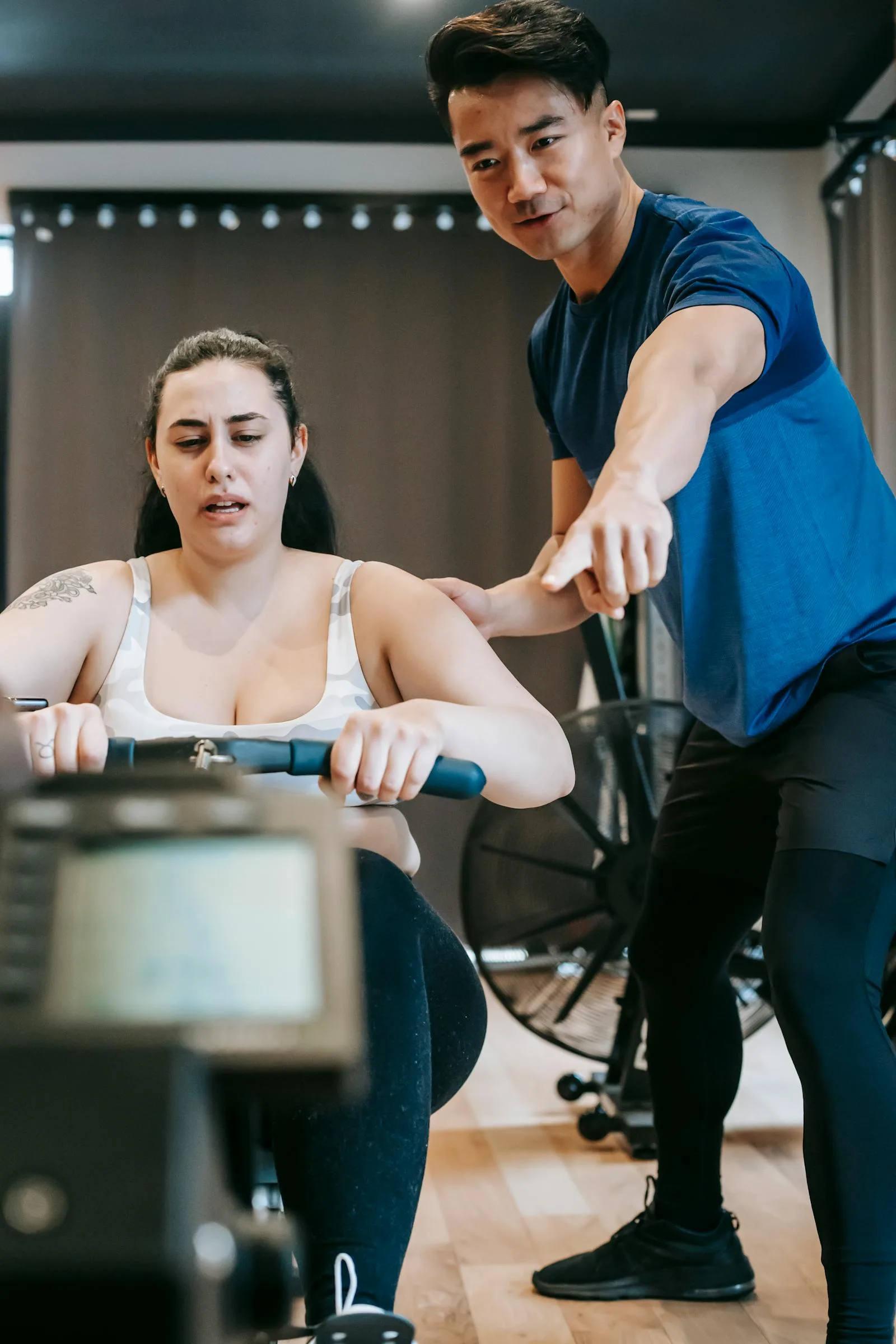
In personal training, you build a clearer picture of how to move. Small corrections stack up. You feel more confident in what you're doing, but you may not get the same energy that comes from training alongside others.
Neither path is linear, and most people don't stay in one lane throughout.
Some start in group classes and later seek coaching to refine technique. Others begin with personal sessions, then move into group training for consistency and variety. The important part is knowing what problem you're trying to solve at each stage.
How this applies if you're training in Seoul
In Seoul, the decision can feel slightly different.
Group classes are widely available and often easier to fit into a flexible schedule. But depending on the environment, following instruction in Korean can add a layer of difficulty—especially for beginners who are already learning new movements.
Personal coaching can reduce that friction.
If language clarity is part of the decision, this guide explains what makes English-friendly fitness classes in Korea easier to follow.
For English-speaking residents, working with a coach who explains cues clearly can make the first few sessions considerably more comfortable. Some gyms structure sessions in a way that balances direct guidance with repeatable routines, which helps beginners settle in faster without having to figure everything out on their own.
Location matters too. If your gym is close to home or work, you're more likely to stay consistent—regardless of the format. In a city with busy commutes, convenience often decides more than preference.
How to decide right now
Instead of asking which option is better in general, it helps to choose based on what you need at this stage.
Choose group classes if you want a structured environment that keeps you moving without overthinking—and shared energy that makes showing up easier.
Choose personal training if you want clear, immediate feedback and a faster grasp of how to move correctly, and you're willing to be more focused during each session.
Combine them if you want both. A few personal sessions to build a foundation, then group classes for consistency—with occasional check-ins when something feels off.
The goal isn't to pick the perfect option. It's to pick the one that makes starting—and continuing—feel manageable.
Small Group vs Personal Training: A Quick Decision Guide
- Choose a small group when shared energy and a lower per-person cost matter most.
- Choose personal training when you need frequent technique feedback, injury-aware adjustments, or a plan built around one goal.
- Start privately and move to a small group later if you are a complete beginner who wants confidence before training with others.
Compare the amount of coaching attention, not only the number of people in the room.
Train With BODY SMITH