How to Lose Belly Fat Without Chasing Shortcuts
Belly fat does not disappear through shortcuts. Learn how calories, strength training, cardio, sleep, and sustainable habits affect fat loss.

Most people have tried something specific for belly fat — cutting carbs, adding extra ab workouts, following a short-term diet that promised quick results. And most people have noticed that even when weight drops, the stomach doesn't always change the way they expected.
That gap between effort and outcome is usually where the frustration lives. The honest reason for it is that there's no specific trick for belly fat. The approaches that actually work are less dramatic than what gets promoted — but they're also far more reliable. This article is about understanding why belly fat behaves the way it does, and what realistically moves it over time.
The One Thing Worth Understanding First
You cannot directly target belly fat. This isn't a technicality — it's the reason most targeted approaches don't work.
Fat loss happens across your whole body when you sustain a calorie deficit over time. Your body decides where it pulls from based on genetics and hormones, not on which muscles you're training or which area you're focusing on. The stomach tends to be one of the last places many people lean out — which is frustrating, but it's how the body works.
Ab exercises strengthen the muscles underneath the fat. They don't reduce the fat layer above them. That only changes when overall body fat decreases — and that only happens through consistent calorie balance, not through any specific movement or food.
The difficulty isn't knowing this. It's sustaining the habits long enough to see it happen.
What Actually Drives Fat Loss Over Time
There are four variables that matter, and belly fat loss is downstream of all of them — not separate from them.
Calorie balance is the foundation. If your intake is consistently slightly lower than what your body needs, it draws on stored energy — including fat. The deficit doesn't need to be large. It needs to be sustained.
Protein intake helps maintain muscle while fat decreases. Without enough protein, fat loss and muscle loss tend to happen together — and that affects both how you look and how your metabolism responds over time.
Daily movement is often underestimated. Total steps, walking, and general activity throughout the day frequently contribute more to calorie expenditure than structured workouts. A moderately active day with a walk added can matter as much as a gym session.
Sleep and recovery affect appetite, energy, and consistency in ways that are hard to compensate for elsewhere. Poor sleep makes a calorie deficit harder to maintain — not because of willpower, but because of how hunger hormones respond.
None of these are belly-fat-specific. They drive overall fat loss, and belly fat moves as part of that process.
For a practical approach to building these habits: simple nutrition habits that make fat loss easier to repeat across normal weeks
Why Doing More Usually Doesn't Help
When progress stalls, the instinct is to add more — more cardio, more ab work, more sessions per week. It makes intuitive sense, but it often backfires.
Higher training volume tends to increase hunger. If that hunger leads to eating more, the calorie deficit shrinks or disappears. If recovery suffers, consistency drops. The extra effort cancels itself out, sometimes leaving people more tired and no leaner than before.
A moderate, repeatable routine — two to four structured sessions a week, consistent daily movement, stable eating habits — tends to outperform an aggressive one that's hard to sustain. The goal is a manageable deficit maintained over weeks and months, not maximum intensity sustained for a few days before burning out.
How This Plays Out in Seoul
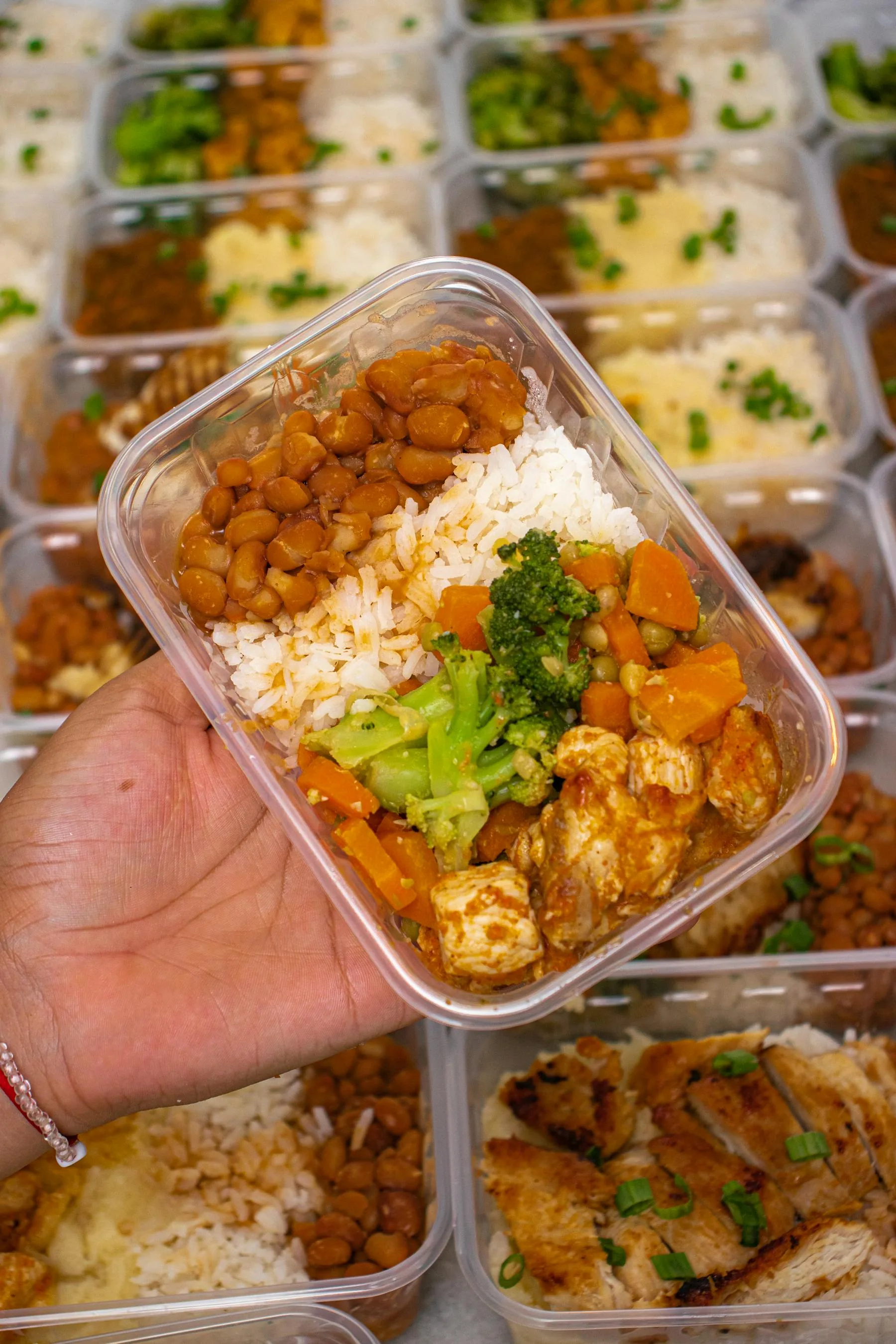
Daily life in Seoul creates a specific set of challenges: eating out frequently, late dinners, social meals that are hard to control, long work hours that compress sleep. These aren't excuses — they're real variables that affect how sustainable a fat loss approach can be.
The practical adjustment isn't elimination. It's management. Controlling portions when eating out rather than avoiding restaurants entirely. Keeping protein consistent across meals rather than trying to eat perfectly. Avoiding the cycle of strict restriction on weekdays followed by significant overeating on weekends — which tends to cancel progress while also being miserable.
For the food side of that equation, fat loss nutrition habits matter more than one perfect diet rule.
In this context, losing belly fat becomes a consistency problem, not a knowledge problem. Most people already know roughly what to do. The gap is in maintaining the habits across a normal Seoul week, not in finding a better approach.
Where Training Fits Into This
Once eating habits and daily movement are reasonably in place, structured training supports the process — but it's not the primary driver of fat loss. It's worth being clear about that.
What strength training does well is maintain muscle mass while fat decreases. This matters because it affects how your body looks as weight comes off, and it supports long-term consistency by keeping your metabolism from downregulating significantly. A structured format also removes the decision-making that often derails people when schedules get busy — sessions are planned, progression is built in, and you're not figuring out what to do each time you arrive.
At BODY SMITH, the combination of boxing and strength work provides that kind of repeatable structure, which makes it easier to stay consistent without overcomplicating the process. For more individualized guidance: Seoul Personal Training
FAQ
Can I lose belly fat with ab exercises?
No. Core exercises build strength in the underlying muscles, but they don't reduce the fat layer above them. That only changes through overall fat loss driven by calorie balance.
Why is belly fat so hard to lose?
For many people, the stomach is one of the last areas the body leans out — shaped by genetics and hormones rather than by which exercises you do. It moves with overall fat loss, just often later than other areas.
What should I track besides scale weight?
Waist measurements, how clothes fit, and consistency with daily habits — eating, movement, sleep — tend to reflect progress more accurately than the scale alone, especially in the early stages.
Train With BODY SMITH