How Should I Deadlift? Choosing the Right Variation for Your Body
"How should I deadlift?" comes up constantly in strength training — and it's usually not a question about the basic mechanics.
"How should I deadlift?" comes up constantly in strength training — and it's usually not a question about the basic mechanics. It's about which version actually fits. Conventional, sumo, Romanian, block pull — they all work, but not equally well for every body.
If you've ever felt like a deadlift just doesn't feel right, the problem is often not your technique. It's a mismatch between your structure and the variation you're trying to do. Limb lengths, hip mobility, and torso proportions all affect how the movement should look for you specifically. This piece is about figuring that out — not copying a shape, but finding a position you can actually own.
What the Deadlift Is Actually Asking Your Body to Do
At its core, the deadlift is a hip hinge. You're moving the hips back while keeping the bar close and your spine stable. That's the movement — but your proportions shape how it expresses itself.
Longer legs tend to push the hips higher at the start. A longer torso makes it easier to stay upright. Limited ankle or hip mobility changes what setup is even possible for you. This is why two people can deadlift with noticeably different-looking positions and both be doing it correctly. There's no universal shape to chase. What matters is whether the bar stays close to your body, you feel tension through your legs and hips, and you can repeat the movement consistently without fighting yourself to do it.
Which Variation Tends to Work for Which Body
Understanding what each variation actually emphasizes makes it easier to figure out where to start — rather than just defaulting to whatever you've seen someone else do.
Conventional requires more forward torso lean and a deeper hip hinge. It tends to work well for people who can hinge deeply and stay balanced over mid-foot. If your hamstrings and hips allow it comfortably, this is often the most transferable option long-term.
Sumo uses a wider stance and a more upright torso. For people with longer legs or limited hip flexion in a narrow stance, this often feels significantly more natural — the bar path is shorter and the setup less compromising. It's not a shortcut; it's just a better structural fit for some people.
Romanian deadlift starts from the top and emphasizes controlled lowering. Because it removes the complexity of pulling from the floor, it's often easier to learn and a good way to develop the hip hinge pattern before adding full-range loading.
Block pulls or rack pulls raise the bar off the floor, shortening the range of motion. These are useful when full-range deadlifts feel unstable or when back rounding becomes an issue — not as a permanent workaround, but as a starting point to build from.
You don't need to commit to one variation permanently. Many people rotate or test variations over time. The goal is to find what's most stable right now, then build from there.
What Usually Goes Wrong
Most deadlift problems come from trying to force a position rather than adapting the movement to fit.
Trying to sit too low at the start — mimicking a squat — tends to push the bar forward and make the pull much harder than it needs to be. Letting the bar drift away from the body during the lift is usually a setup issue, not a strength issue: if the bar isn't close when you initiate, it won't get closer as you pull. And loading too quickly before the movement is consistent reinforces whatever pattern exists — good or bad.
These aren't failures. They're signals. If something keeps going wrong in the same way, the variation or setup probably needs to change before the load does.
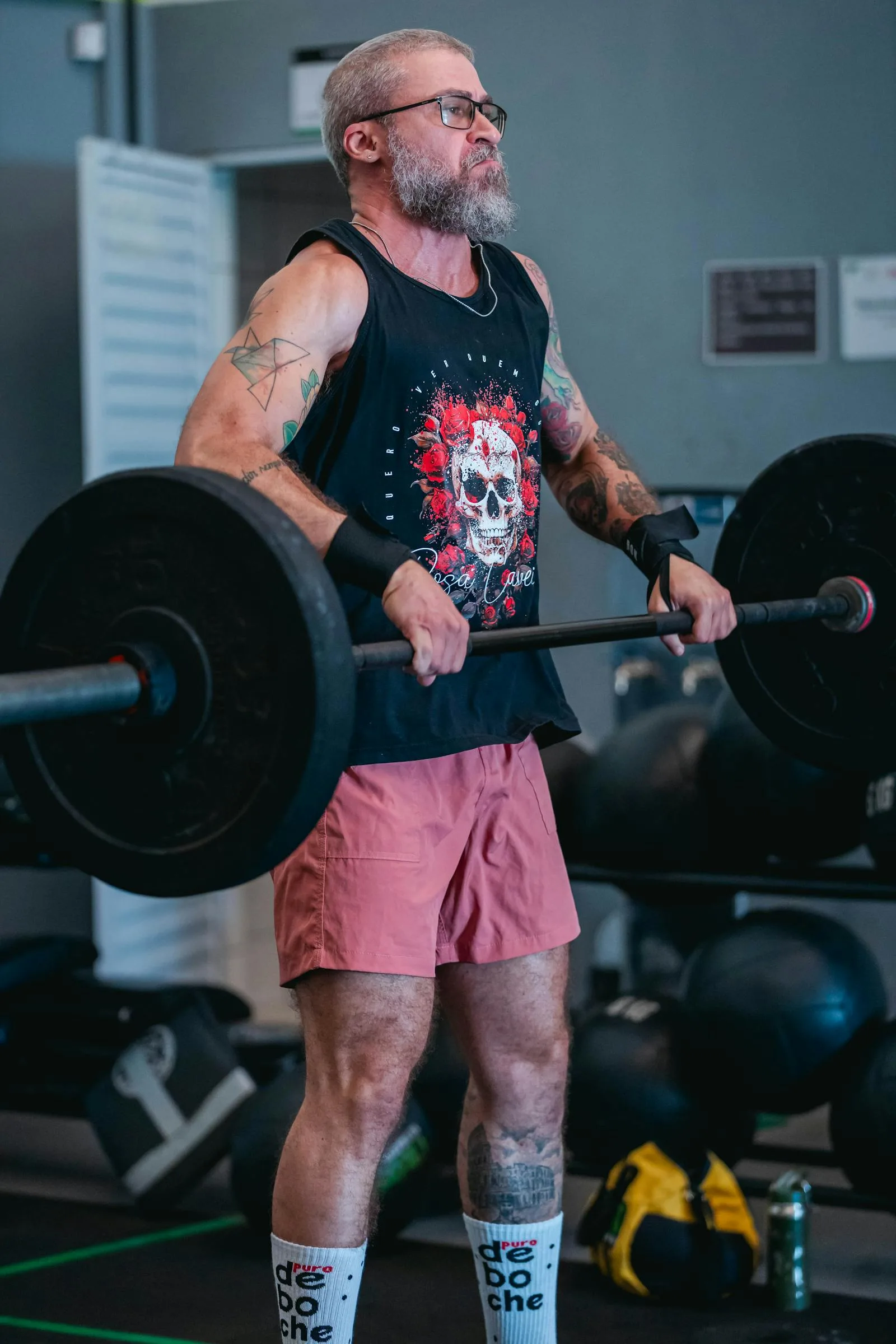
How to Actually Test What Works for You
The most practical approach is to test variations rather than assume one is correct.
Start with a lighter load — light enough that you're focused on position rather than effort. Try two or three variations across a session or two. After each set, ask yourself three simple questions: could I keep the bar close? Did the movement feel like something I could repeat? Where did I actually feel the effort?
Keep the variation that answers those questions most consistently — not necessarily the one that felt strongest immediately. Strength in an unfamiliar pattern often lags behind how well the movement actually fits.
The same principle applies to squats too: why you cannot squat properly is often about structure, stance, and setup rather than effort alone.
In a coaching environment, this process is usually guided so you're not guessing through it alone. Small adjustments in stance width, bar position, or hip height at setup can make a noticeable difference. For more individualized feedback: Seoul Personal Training
Matching Your Variation to Your Goal
Once you've found a variation that works structurally, it helps to make sure it's also pointing toward the right outcome.
For general strength, the priority is finding a variation you can repeat week to week with good control and progressive loading. For muscle development, Romanian deadlifts or other controlled variations are often more useful for targeting specific areas — hamstrings especially. For skill and efficiency, the answer is usually to stay with one variation long enough to actually improve at it. Switching too often means you're always relearning rather than progressing.
There's no need to run multiple versions simultaneously. Consistency within one variation tends to produce better results than constantly cycling through options.
The actual answer to "How should I deadlift?"
It's less about a specific technique and more about finding a movement you can own.
The best deadlift for you is the one that feels balanced, stays repeatable, and matches your structure — not the one that looks most impressive or matches what someone else is doing. Your proportions influence your setup more than most people expect, and treating variation as a tool rather than a compromise is usually the shift that makes things click.
Test variations, stay patient with the process, and let what your body shows you guide the adjustments.
FAQ
Should I do conventional or sumo deadlifts?
It depends on your structure. Some people feel naturally balanced in a conventional stance; others find sumo more comfortable given their proportions. Testing both with lighter weights is the most practical way to figure out which fits — don't just go with whichever looks more serious.
Are Romanian deadlifts better for beginners?
They can be a good starting point. Starting from the top and emphasizing controlled lowering removes some of the setup complexity of pulling from the floor, which makes the hip hinge pattern easier to learn before adding more variables.
What should I do if my back rounds during a deadlift?
Before changing your technique, consider changing your setup. Reducing the range of motion with block pulls, or reducing the load, often resolves it more effectively than trying to force a position you're not yet ready for. Build control first, then build range.
Train With BODY SMITH