Can You Get Stronger Without Getting Bigger? Strength, Skill, and Muscle Size Explained
You can get stronger without chasing size. Learn how skill, nervous system adaptation, training volume, and nutrition affect strength and muscle.

It's one of the more common questions that comes up in coaching: can you get stronger without getting bigger? It usually comes from someone who wants to feel more capable — move better, lift more, perform better — without noticeably changing their body size.
The short answer is yes. But it comes with some nuance. Strength and muscle size are connected, but they're not the same thing, and training for one doesn't automatically mean you get the other. Understanding the difference is what lets you actually train toward the result you want.
Strength Is a Skill, Not Just a Size
Most people picture bigger muscles when they think about getting stronger. That makes intuitive sense — but it's only part of the picture.
A significant portion of early strength gains have nothing to do with muscle growth. They come from what's called neural adaptation: your nervous system getting better at recruiting muscle fibers, coordinating movement, and producing force efficiently. The muscle you already have starts working more effectively. You're not necessarily building new tissue — you're learning to use what's there.
This is why someone new to strength training in Seoul can increase the weight they're lifting within a few weeks, often without any visible change in body size. The muscle didn't grow. The coordination improved.
So What Actually Drives Size vs. Strength?
They share some overlap, but the main drivers are different.
Muscle size tends to increase with higher training volume — more sets, more reps, more total work — especially when performed close to fatigue and paired with a calorie surplus. Strength, on the other hand, responds well to heavier loads, lower rep ranges, longer rest periods, and consistent repetition of the same movements.
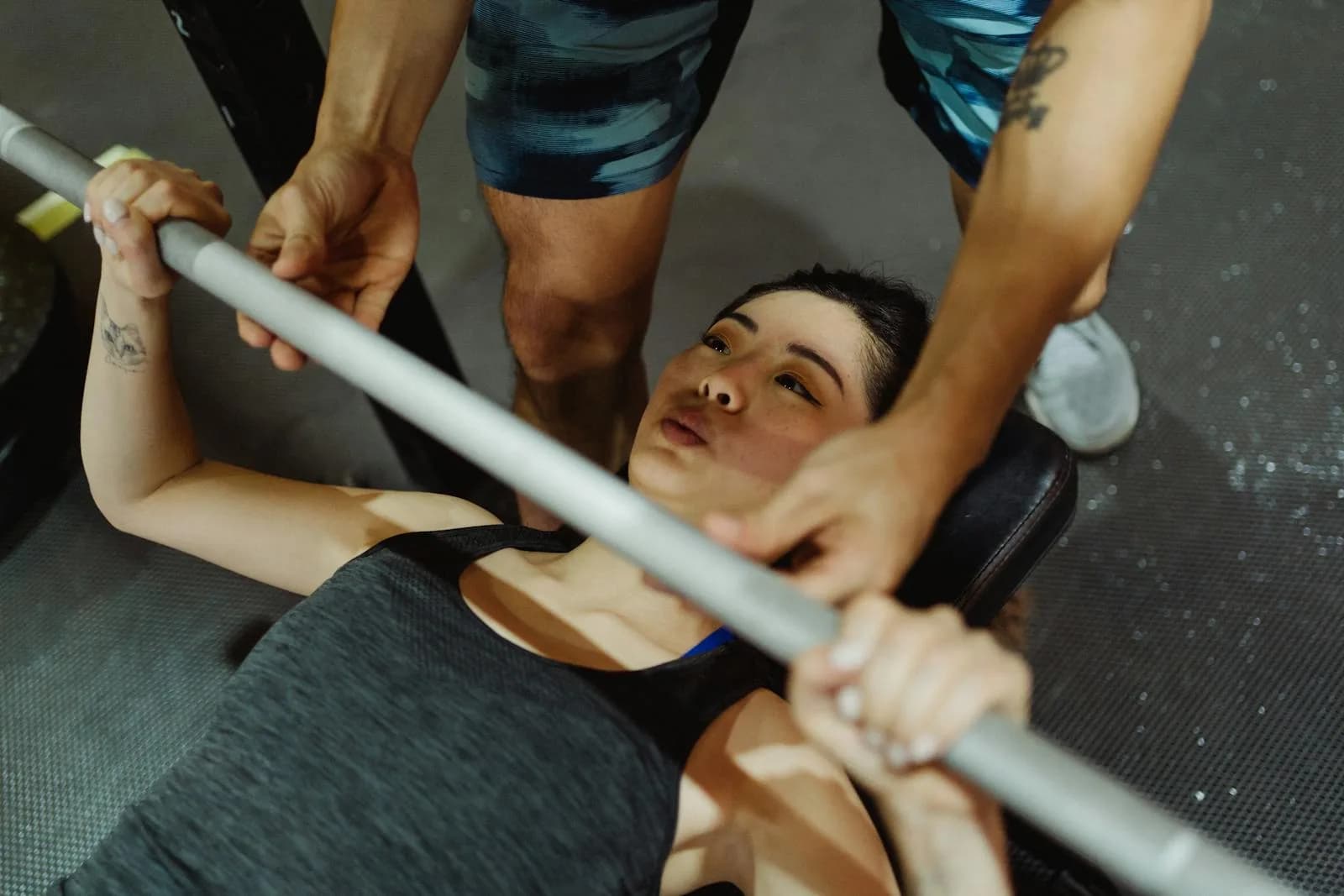
This is why low-rep strength training — sets of 3 to 5 reps — tends to build force production and technical efficiency without accumulating the kind of volume that typically drives muscle growth. You're training the nervous system and the skill of the lift, not just fatiguing the muscle.
That said, the line isn't absolute. Some muscle gain often comes alongside strength gains, particularly early in training. But the degree to which that happens is largely within your control.
Why the Response Varies Between People
Two people can follow the same program and end up with noticeably different results. Genetics plays a role, as does training history, total weekly volume, and — critically — nutrition.
Someone eating in a consistent calorie surplus with frequent, high-volume sessions will gain more muscle size than someone training with lower volume while keeping their body weight stable. This is why "strength without size" isn't a fixed program. It's a direction you bias your training toward based on how you eat and how much total work you're doing.
Where People Go Wrong
The most common mistake is unintentionally training for size while trying to avoid it.
Adding extra sets, circuits, and accessory work increases total workload over time — and that accumulated volume is one of the main drivers of hypertrophy, regardless of intent. Chasing fatigue compounds the problem. Feeling exhausted after a session isn't the same as getting stronger. Strength-focused training often feels more controlled, more deliberate, and sometimes less tiring than people expect.
Nutrition is the other factor that gets overlooked. Even with low-volume training, a consistent calorie surplus can still push muscle growth. Eating at maintenance — not in a surplus — is one of the simplest ways to limit size changes while still making strength progress.
There's also the opposite mistake: avoiding strength training entirely out of fear of getting bulky. In reality, getting stronger without adding significant size is very achievable. It comes down to how you train and eat — not whether you train at all.
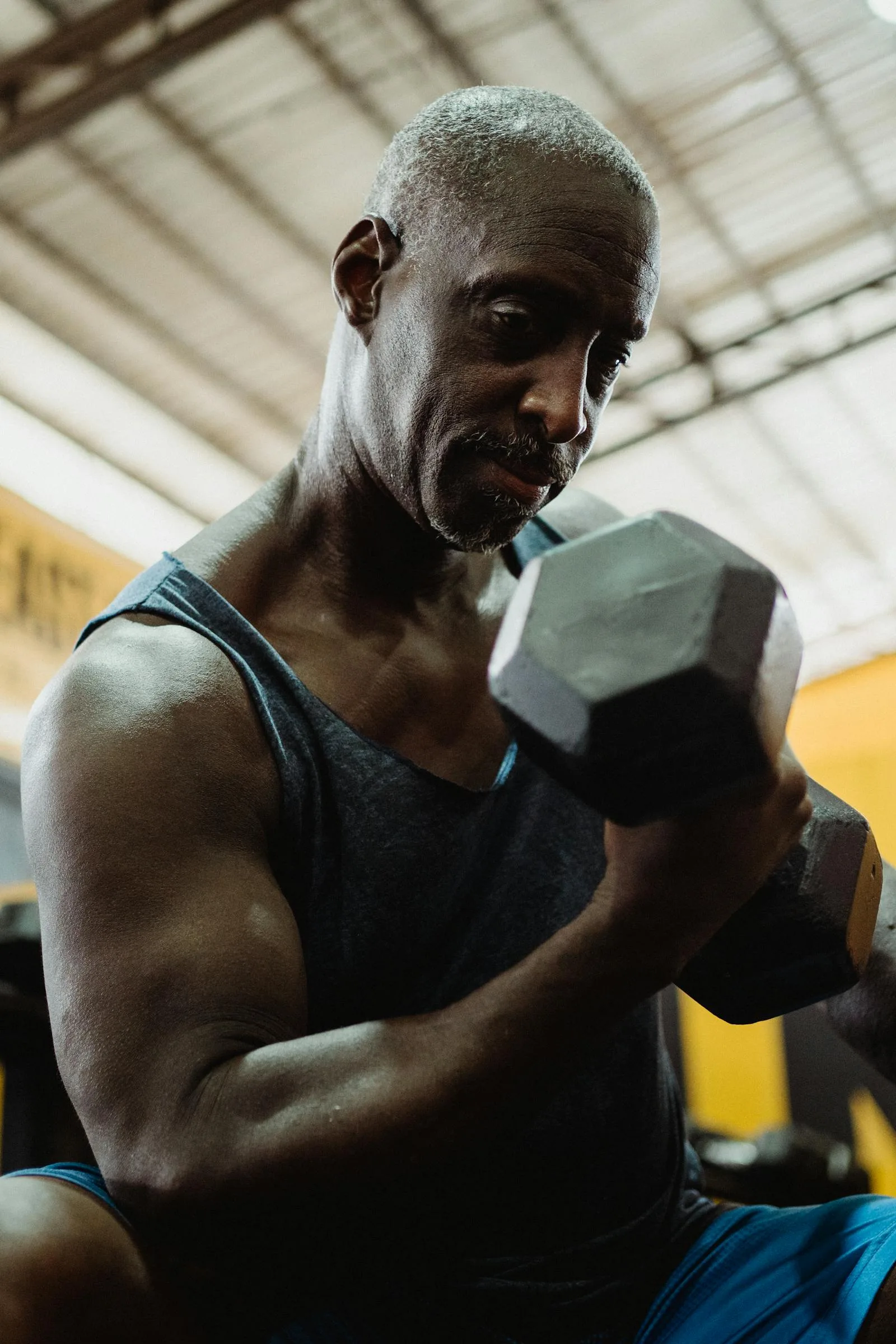
How to Actually Train for This
If your goal is strength without pushing size, the approach is fairly straightforward in principle — even if it takes some discipline to stick to.
Prioritize lower reps on your main movements. Sets of 3–6 on squats, presses, and pulls build strength and technical skill without accumulating excessive volume. Keep your accessory work minimal — a few well-chosen movements done consistently will outperform a long list of exercises rotated constantly. Rest properly between sets, typically 2–3 minutes, so each set is actually performed well rather than grinding through fatigue.
And repeat the same lifts week to week. Strength improves with practice. Changing movements too often means you're always relearning rather than getting better.
For the broader beginner logic behind this, see why strength training is important even when size is not the goal.
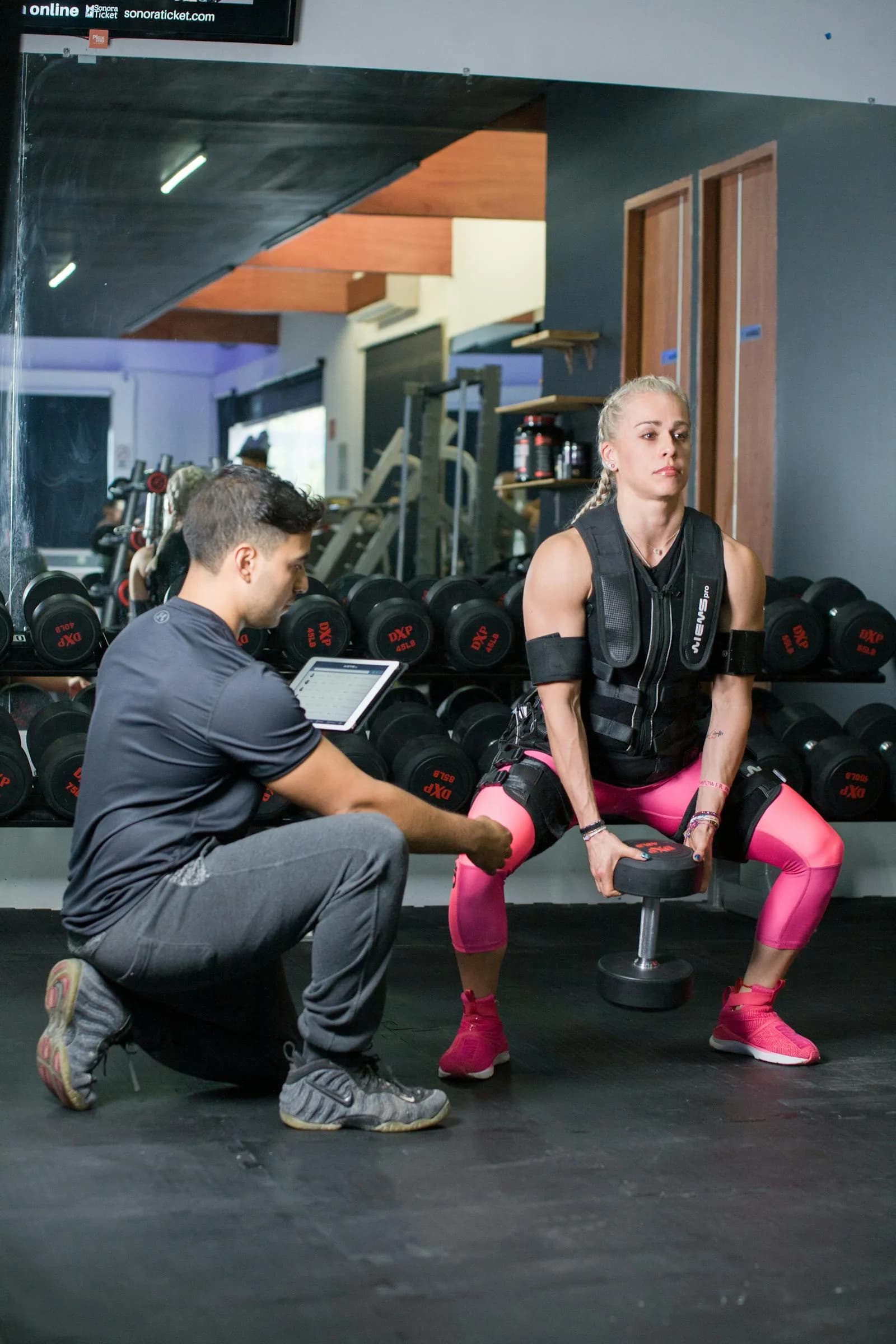
At BODY SMITH, this shows up in sessions designed around movement quality and controlled progression — not constantly escalating volume. For people who want clear direction without overcomplicating their training, that kind of structure tends to work well. For more focused guidance, see: Seoul Personal Training
The honest takeaway
For most people, the concern about getting too big is larger than the reality.
Strength can genuinely improve through better coordination, neural efficiency, and skill — without meaningful changes in muscle size, especially when training volume and nutrition are managed. Some muscle gain may still happen, particularly if you're new to training. But it tends to be gradual, and it's more controllable than most people think.
Strength isn't just about how much muscle you have. It's about how well your body uses what it already has.
FAQ
Can I get stronger without gaining muscle size?
Yes, particularly in the early stages of training. Strength improves through better coordination and neural adaptation, not just muscle growth. That said, some muscle gain may still occur over time depending on how you train and eat.
What kind of training builds strength without much bulk?
Lower-rep, higher-intensity work with controlled volume — focusing on a few key lifts, resting adequately between sets, and avoiding excessive accessory work.
Is strength training different from bodybuilding?
Yes. Strength training prioritizes force production and performance. Bodybuilding focuses on muscle size and appearance. The volume, intensity, and structure of each approach are meaningfully different.
Train With BODY SMITH