Healthy Weight vs Aesthetic Weight: What the Difference Really Means
Healthy weight vs aesthetic weight is about more than the scale. Learn how body composition, InBody results, clothing size, and goals affect your target.
Healthy weight vs aesthetic weight is a question that comes up a lot in Korea, especially when people compare body weight, clothing size, InBody results, and online "ideal weight" charts. You may technically be in a normal healthy range and still feel unhappy with how your body looks. Or you may be chasing a lower number that would not actually make you look or feel better.
The important point is this: health and appearance are related, but they are not the same measurement. Scale weight can tell you part of the story. It cannot tell you how much muscle you have, how your posture changes your shape, how your clothes fit, or whether your habits are sustainable. This guide explains the difference without promoting extreme thinness or pretending one number is the answer.
Short answer
A healthy weight usually means your body weight sits in a range that is broadly compatible with health markers, daily function, and lower long-term risk. An aesthetic weight is the weight someone believes will create a certain look.
Those two can overlap, but they often do not.
Someone can be at a healthy body weight and still want more muscle definition, better posture, or a different clothing fit. Someone else can reach the number they thought was their aesthetic goal and still feel dissatisfied because the underlying issue was not weight alone.
That is why healthy weight vs aesthetic weight is not really a fight between health and appearance. It is a reminder that the number on the scale is a blunt tool. If the goal is to look leaner, stronger, or more balanced, body composition usually matters more than pushing weight lower and lower.
Why chasing only the scale usually disappoints
The scale is easy to measure, which makes it feel important. But easy to measure does not always mean most useful.
If you lose weight quickly by eating very little, the scale may drop, but the result may not match the look you wanted. You may lose muscle along with fat, feel flatter rather than more defined, train worse, and become more reactive around food. That can create the frustrating situation where the number is lower, but your body does not feel stronger or look the way you expected.
The opposite can happen too. If you start strength training, eat more consistently, and build some muscle while losing fat slowly, the scale may move less than you hoped. But your waist, shoulders, posture, and clothing fit may change noticeably. This is why two people at the same height and weight can look completely different.
In Korea, the pressure around "ideal weight by height" can make this harder. Those charts are simple, but bodies are not. They do not account for muscle mass, frame size, training history, age, or how someone actually feels living at that weight.
What to focus on instead
If appearance matters to you, it is more useful to track the variables that actually influence appearance.
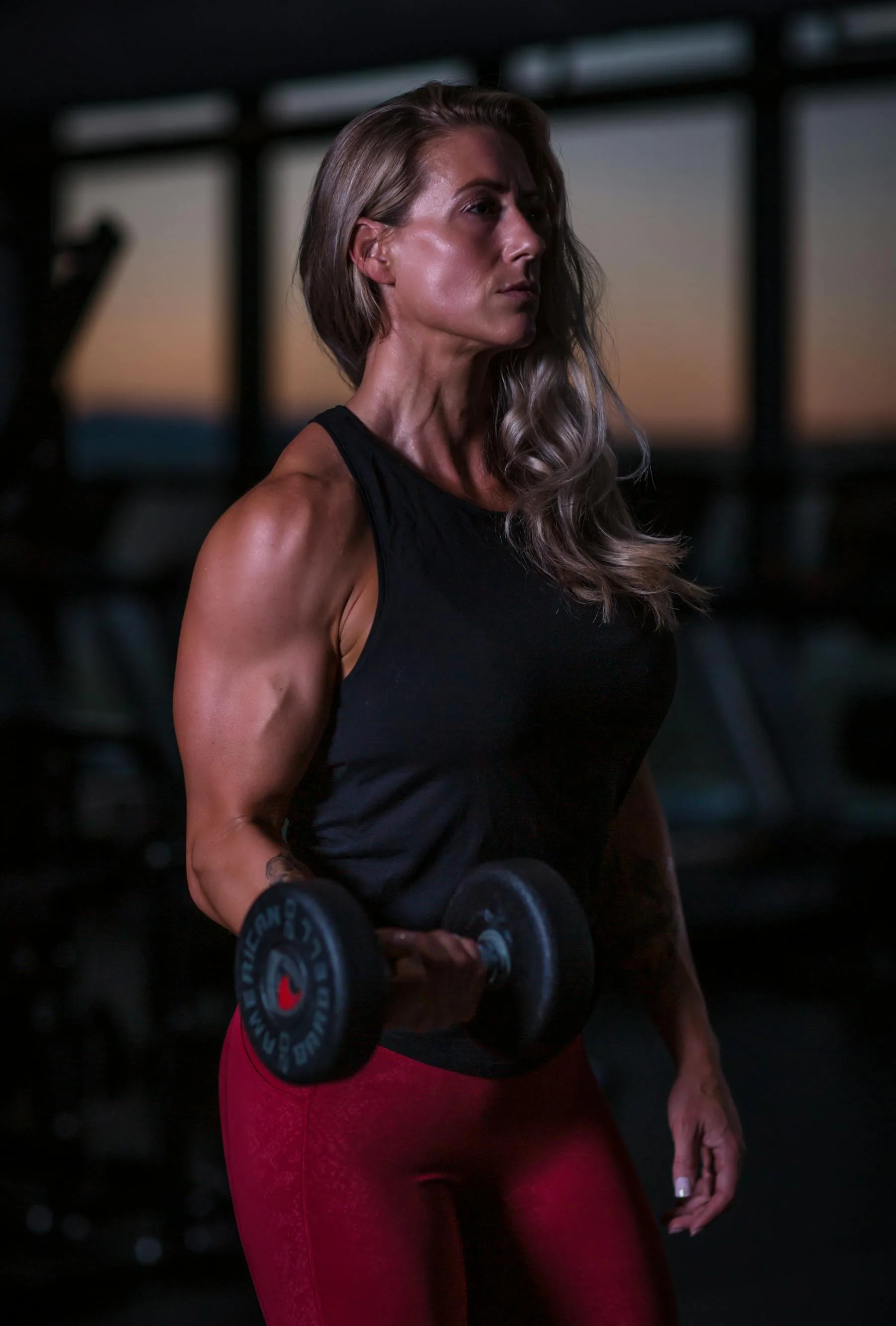
Body composition is the first one. More muscle and less excess body fat can change shape even when body weight changes slowly. This does not mean everyone needs to become muscular. It means muscle gives the body structure. For many people, the look they want is not simply "smaller"; it is more balanced, firmer, or more athletic.
Clothing fit is another useful signal. Waistbands, shirts, dresses, and jackets often tell you more than a daily weigh-in. If clothes fit better but weight is stable, something meaningful may still be changing.
Training performance matters too. If your strength, energy, and consistency are improving, your habits are probably moving in a better direction than a crash diet that only lowers the number.
Finally, pay attention to sustainability. If reaching a target weight requires constant hunger, social isolation, poor sleep, and anxiety around meals, that number may not be a realistic place to live.
How this applies in Korea and Seoul
Seoul can make this topic feel more intense than it needs to be. Beauty standards are visible, clothing sizes can feel narrow, and social comparison is easy. Add InBody scans, gym mirrors, and online height-weight charts, and it is understandable that people start treating weight as a personal score.
But a lower number is not automatically a better body. If you are already in a healthy range, the next useful question is often not "how much more weight can I lose?" It is "what would actually change the way I look and feel?"
For many people, the answer is a combination of strength training, enough protein, better sleep, and a modest approach to fat loss if needed. That creates a body that is easier to maintain than one built through aggressive restriction.
If you want the deeper body-composition version of this idea, start with body recomposition rather than only the scale.
It also helps to separate social pressure from personal preference. Wanting to look a certain way is not wrong. But if the target is based only on someone else's chart, celebrity photo, or clothing size, it may not match your body or your life.
Where training structure can help
Training structure helps because it gives you something better to measure than daily body weight.
A good routine gives you repeatable sessions, progressive strength work, conditioning that fits your recovery, and enough consistency to see trends over time. Instead of asking whether the scale dropped this morning, you can ask better questions: Are you training regularly? Are movements getting stronger or cleaner? Are clothes fitting differently? Are your food habits stable across the week?
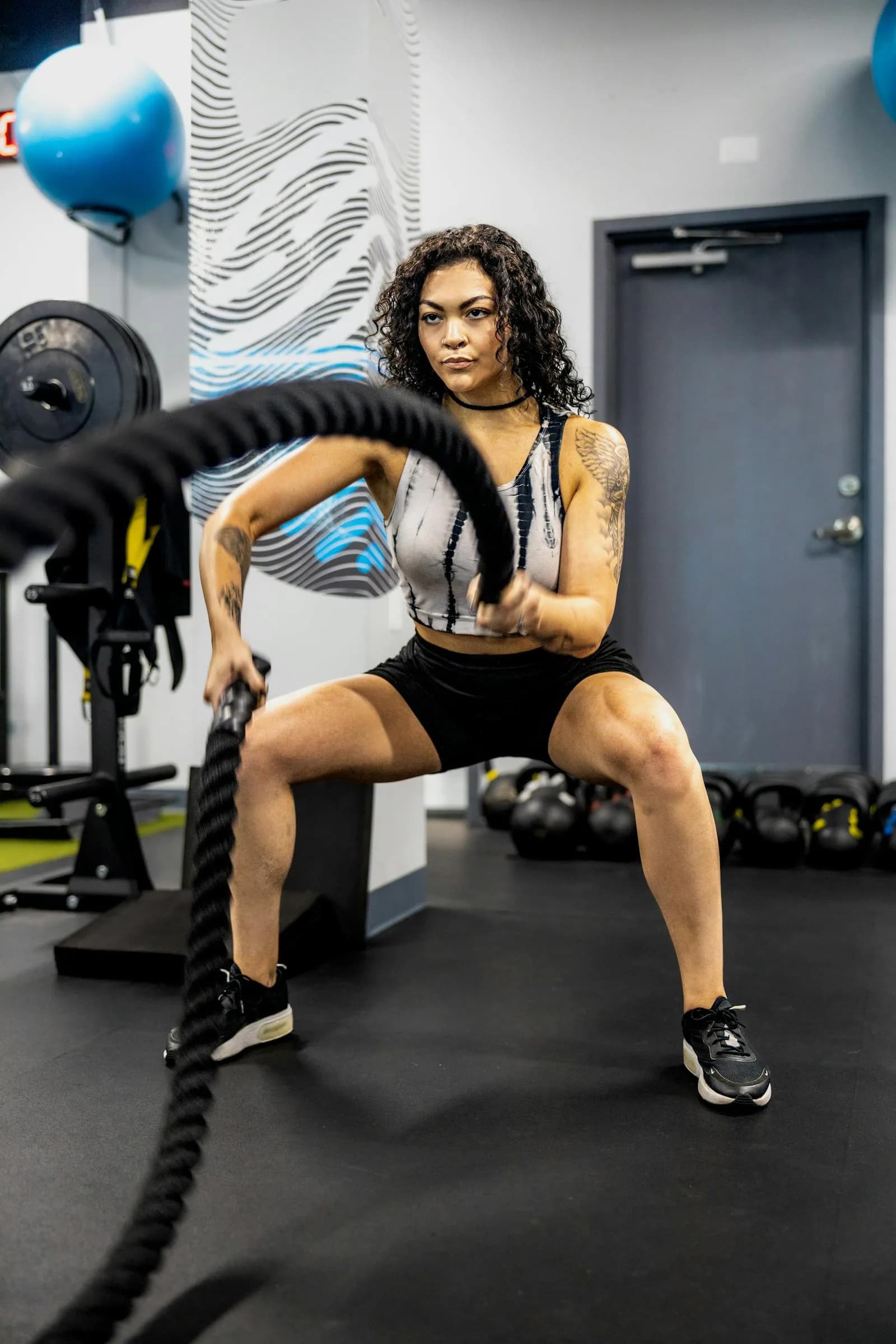
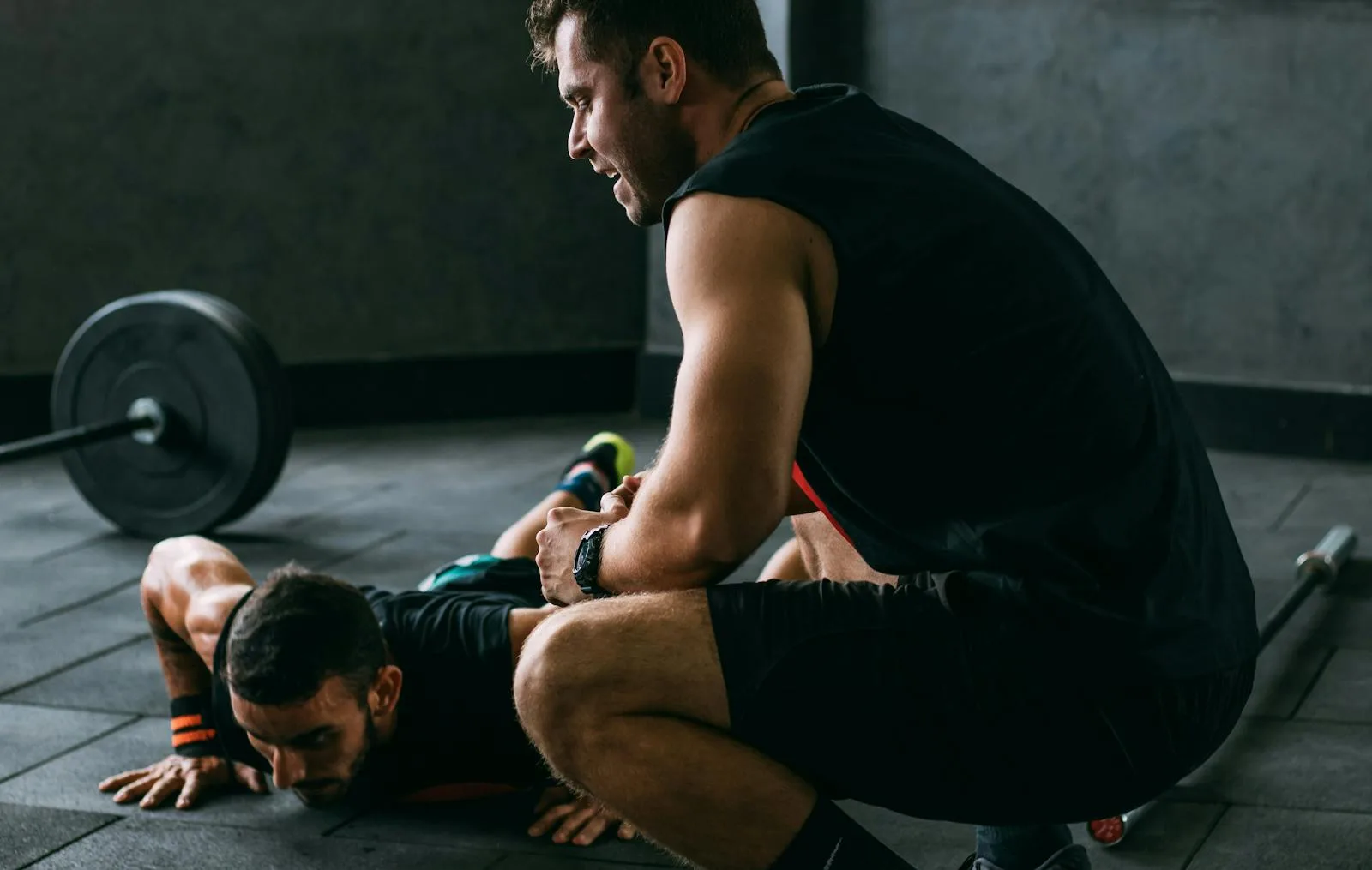
This is where BODY SMITH can fit naturally for people in Seoul who want a clearer process. Structured boxing and strength sessions can support consistency, while private coaching can help someone understand how training, body composition, and realistic goals connect. For a more focused coaching setup, you can look at: Seoul Personal Training
The point is not that everyone needs personal training. The point is that appearance goals usually need a system. Without one, it is easy to keep chasing a lower number without knowing whether it is actually moving you toward the result you want.
FAQ
Is aesthetic weight the same as a healthy weight?
Not always. A healthy weight is usually about a broad range that supports health and function. An aesthetic weight is about a desired look. They can overlap, but chasing an aesthetic number too aggressively can become unhealthy or unsustainable.
Why can two people at the same weight look different?
Muscle mass, body fat distribution, posture, height, frame size, and training history all affect appearance. This is why scale weight alone is not enough to judge body shape or progress.
Should I focus on weight, body fat percentage, or muscle mass?
Use weight as one data point, not the whole answer. Body fat trends, muscle mass, clothing fit, strength, energy, and consistency usually give a more useful picture than scale weight by itself.
The practical goal is not to ignore appearance or pretend weight never matters. It is to stop treating one number as the full definition of progress. A body that looks better, feels better, and is easier to maintain usually comes from better habits and better structure, not from chasing the lowest possible weight.