Korean gym vocabulary for English speakers: useful words and phrases
Korean gym vocabulary for English speakers does not need to begin with a long grammar lesson. A small set of equipment words, numbers, and polite questions
Korean gym vocabulary for English speakers does not need to begin with a long grammar lesson. A small set of equipment words, numbers, and polite questions can handle check-in, sharing a machine, and following basic coaching cues. Pronunciation and wording vary, and gyms frequently mix Korean with English loanwords, but the phrases below give you a practical starting point.
Have the Korean wording reviewed by a fluent speaker before relying on it for published signage or safety-critical instructions. In person, a gesture, the equipment name, and one polite sentence are often enough.
Basic workout structure
세트 (seteu) means a set. 횟수 (hoetsu) means the number of repetitions or times, while 회 (hoe) is the counter commonly used after a number. “열 회” is ten repetitions, although you may also hear “십 회” or the English-style “텐 개” informally depending on the gym and coach.
반복 (banbok) means repetition, and 반복 횟수 means repetition count. 휴식 (hyusik) means rest. A coach might say “삼십 초 휴식,” meaning thirty seconds of rest. 준비 (junbi) means ready or preparation, and 시작 (sijak) means start.
무게 (muge) means weight. “무게를 올릴게요” means “I will increase the weight,” while “무게를 낮출게요” means “I will lower it.” 가볍게 (gabyeopge) means lightly, and 천천히 (cheoncheonhi) means slowly.
Common equipment words
Gym (헬스장, helseujang) usually refers to a fitness gym. 운동 (undong) means exercise or workout. 운동복 (undongbok) is workout clothing, 운동화 (undonghwa) is athletic shoes, and 실내화 (sillaehwa) means indoor shoes.
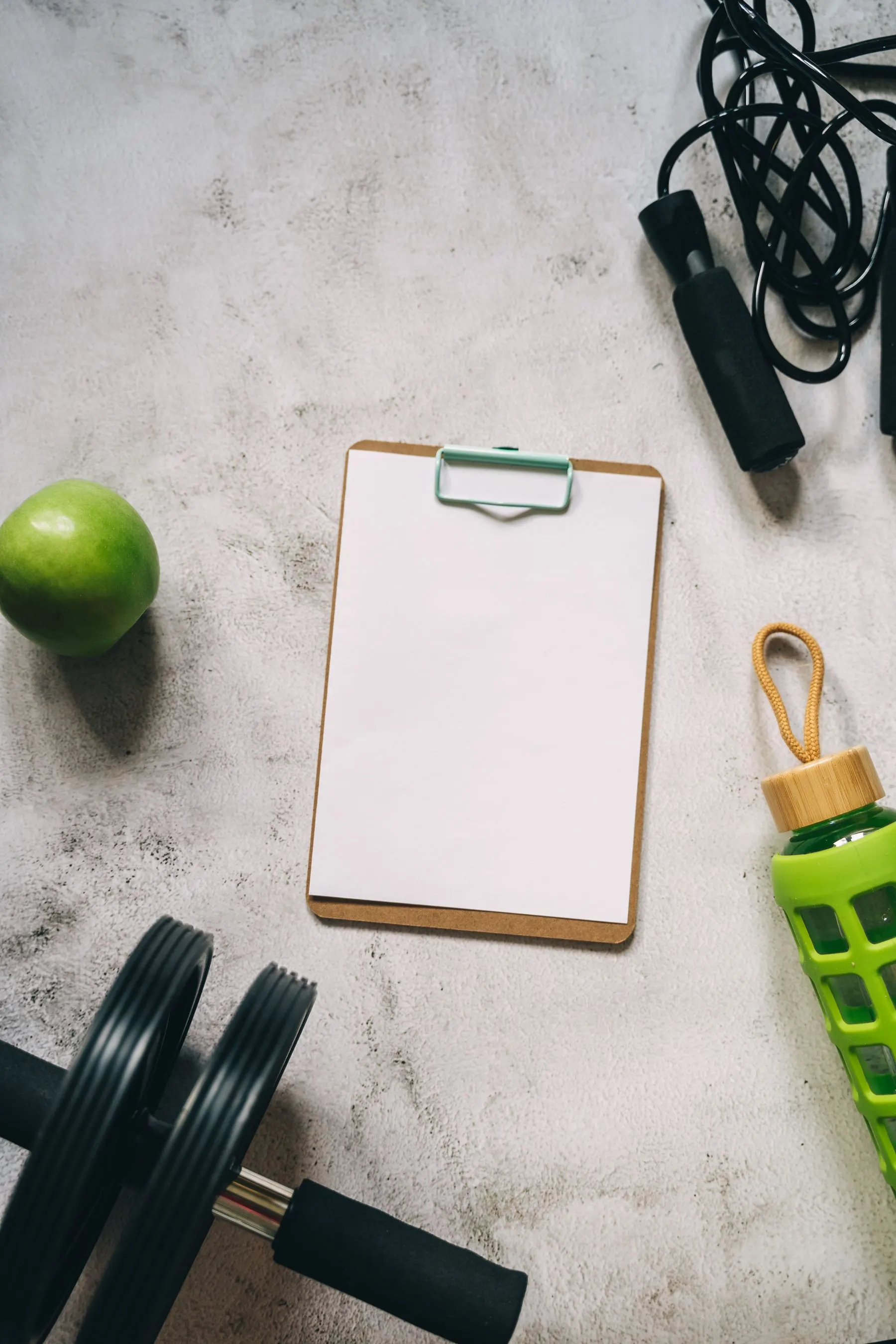
Dumbbell is 덤벨 (deombel), barbell is 바벨 (babel), and kettlebell is 케틀벨 (keteulbel). A weight plate may be called 원판 (wonpan) or 플레이트 (peulleiteu). Bench is 벤치 (benchi), rack is 랙 (raek), and mat is 매트 (maeteu). Machine is 머신 (meosin), and treadmill is commonly 러닝머신 (reoningmeosin).
Locker is 라커 (lakeo) or 사물함 (samulham). Changing room is 탈의실 (taruisil), shower room is 샤워실 (syawosil), and towel is 수건 (sugeon). 정수기 (jeongsugi) is a water dispenser.
Useful questions for sharing equipment
“이거 사용하세요?” (Igeo sayonghaseyo?) means “Are you using this?” It is useful when equipment appears unattended. “몇 세트 남았어요?” (Myeot seteu namasseoyo?) asks “How many sets do you have left?”
“같이 써도 될까요?” (Gachi sseodo doelkkayo?) means “May I share it with you?” or “Can we use it together?” If someone asks you, “네, 괜찮아요” (Ne, gwaenchanayo) means “Yes, that's fine.” “한 세트 남았어요” (Han seteu namasseoyo) means “I have one set left.”
To say you are finished, use “다 썼어요” (Da sseosseoyo), meaning “I'm done using it.” “먼저 하세요” (Meonjeo haseyo) means “Please go ahead.” Add a small gesture toward the equipment to make the meaning clear.
Politeness level and natural phrasing vary with context, but these -요 endings are appropriate general-purpose choices for unfamiliar adults.
Simple coaching cues
오른쪽 (oreunjjok) is right and 왼쪽 (oenjjok) is left. 앞 (ap) is front, 뒤 (dwi) is back, 위 (wi) is up, and 아래 (arae) is down. 안쪽 (anjjok) means inside and 바깥쪽 (bakkatjjok) means outside.
“허리를 펴세요” (Heorireul pyeoseyo) can mean straighten or extend the torso/back, but the exact intended position depends on the exercise. “무릎을 굽히세요” (Mureupeul gupiseyo) means bend your knees. “힘을 빼세요” (Himeul ppaeseyo) means relax or release unnecessary tension. “숨 쉬세요” (Sum swiseyo) means breathe.
“다시” (dasi) means again, “한 번 더” (han beon deo) means one more time, and “좋아요” (joayo) means good. Do not guess when a cue affects load or safety. Ask for a demonstration: “한 번 보여 주세요” (Han beon boyeo juseyo), meaning “Please show me once.”
Boxing vocabulary you may hear
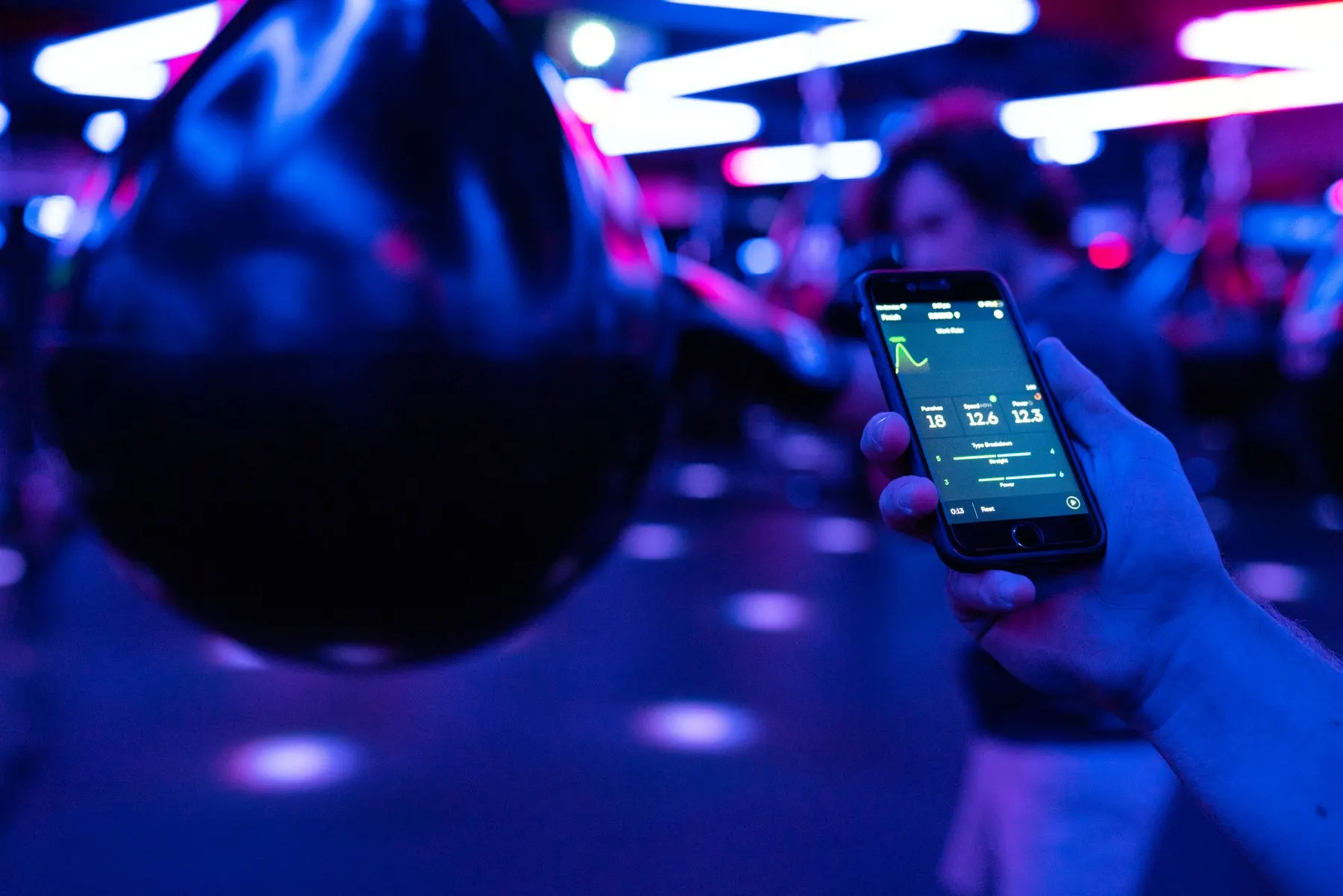
Boxing is 복싱 (boksing) or 권투 (gwontu). Boxing gloves are 복싱 글러브, and hand wraps are 핸드랩. Stance is 스탠스, guard is 가드, jab is 잽, hook is 훅, and uppercut is 어퍼컷. Coaches commonly use these English-derived words with Korean pronunciation.
앞손 (apson) means lead or front hand, and 뒷손 (dwisson) means rear hand. Footwork is 풋워크, but 스텝 (seutep), meaning step, is also common. “가드 올리세요” means raise your guard, while “어깨 힘 빼세요” means relax the shoulders.
Check-in and facility phrases
“처음 왔어요” (Cheoeum wasseoyo) means “It is my first time here.” “등록하고 싶어요” (Deungnokhago sipeoyo) means “I would like to register.” “수건은 어디에 있어요?” asks where the towels are, and “탈의실은 어디예요?” asks where the changing room is.
If you need English support, ask “영어로 설명 가능하세요?” (Yeongeoro seolmyeong ganeunghaseyo?), meaning “Is an explanation in English possible?” For readers seeking a facility with clearer English onboarding, English-friendly gym guidance in Gangnam provides additional context.
How to learn these phrases efficiently
Save five phrases on your phone rather than trying to memorise the entire article. Start with “Are you using this?”, “How many sets?”, “May I share?”, “Please show me,” and “Where is the changing room?” Add vocabulary from the equipment you actually use.
Listen for the words your gym uses. A trainer may prefer an English loanword where a dictionary gives a formal Korean term. Repeat the local wording and confirm with a demonstration when the instruction is technical.
FAQ
How do you say sets and repetitions in Korean?
Set is 세트. Repetition count is 반복 횟수, while 횟수 or the counter 회 is often used when counting repetitions. Actual gym speech may mix these with English words.
What Korean phrases are useful when sharing gym equipment?
“이거 사용하세요?” asks whether someone is using it, “몇 세트 남았어요?” asks how many sets remain, and “같이 써도 될까요?” asks whether you may share.
Do I need to speak Korean to use a gym in Seoul?
Not necessarily. Many equipment names are English loanwords, and gestures or demonstrations help. A few polite phrases make shared spaces easier, while English-friendly coaching can reduce ambiguity for technical instruction.
Useful vocabulary is vocabulary you can retrieve under real conditions. Learn a small set, listen to the language used around you, and ask for a visual demonstration whenever words alone are not clear.
Train With BODY SMITH