Korean gym etiquette for foreigners: what to know before you train
Korean gym etiquette for foreigners is mostly a matter of noticing how a particular facility works. There is no single national rulebook.
Korean gym etiquette for foreigners is mostly a matter of noticing how a particular facility works. There is no single national rulebook. A small independent gym, an apartment fitness room, and a large chain may handle shoes, towels, lockers, and shared equipment differently. The safest approach is to check the signs, watch the normal flow for a few minutes, and ask one short question when something is unclear.
This guide explains the habits that reduce awkwardness without treating every gym in Seoul as identical.
Start with shoes, clothing, and the entrance area
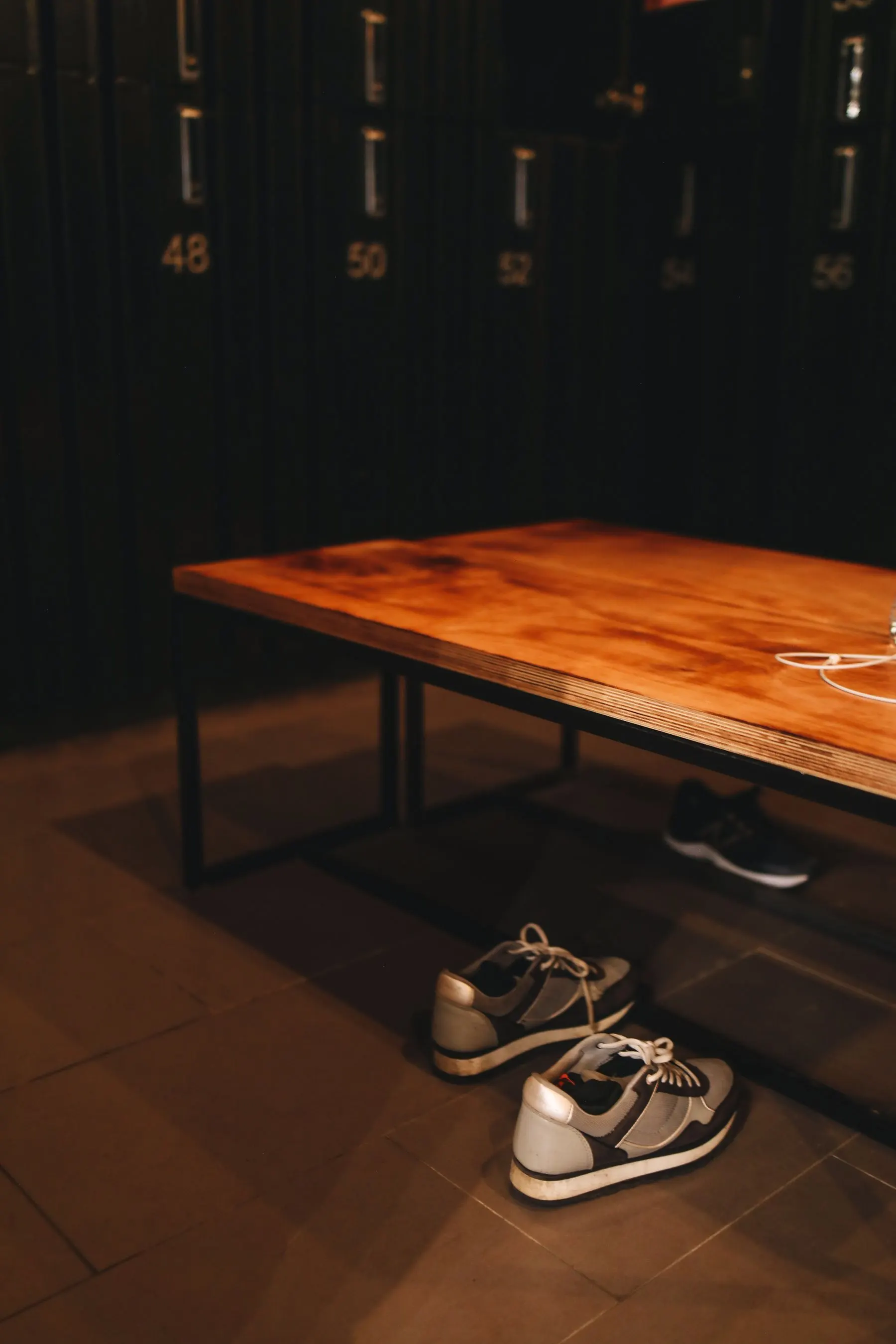
Some Korean gyms require clean indoor-only athletic shoes. Others allow the shoes you arrive in as long as they are clean, and some provide lockers or shoe cabinets near the entrance. Do not assume. Look for signs containing 실내화, meaning indoor shoes, or 운동화, meaning athletic shoes. If shoes are arranged near reception, ask before walking farther inside.
Many facilities issue a locker key or numbered wristband after check-in. Temporary lockers may be included while long-term lockers require a separate arrangement. Keep valuables with you or follow the facility's storage instructions; an empty-looking locker is not automatically available for permanent use.
Workout clothing and towels are common amenities at some commercial gyms, but they are not universal. Even when clothing is provided, sizes and collection points vary. Bring your own training clothes, socks, small towel, and clean shoes for a first visit unless the gym has confirmed otherwise.
Treat shared equipment as shared time
Resting between sets is normal. Occupying a machine while scrolling through a long break becomes frustrating when someone is waiting. Keep your phone use brief, leave enough space for others to pass, and avoid spreading a bag, bottle, towel, and accessories across nearby stations.
If someone appears to be waiting, a simple gesture and “같이 쓰실래요?” asks whether they would like to share. Sharing between sets works best when both people can change the weight or setup quickly. If the other person's setup is very different, telling them how many sets remain may be simpler.
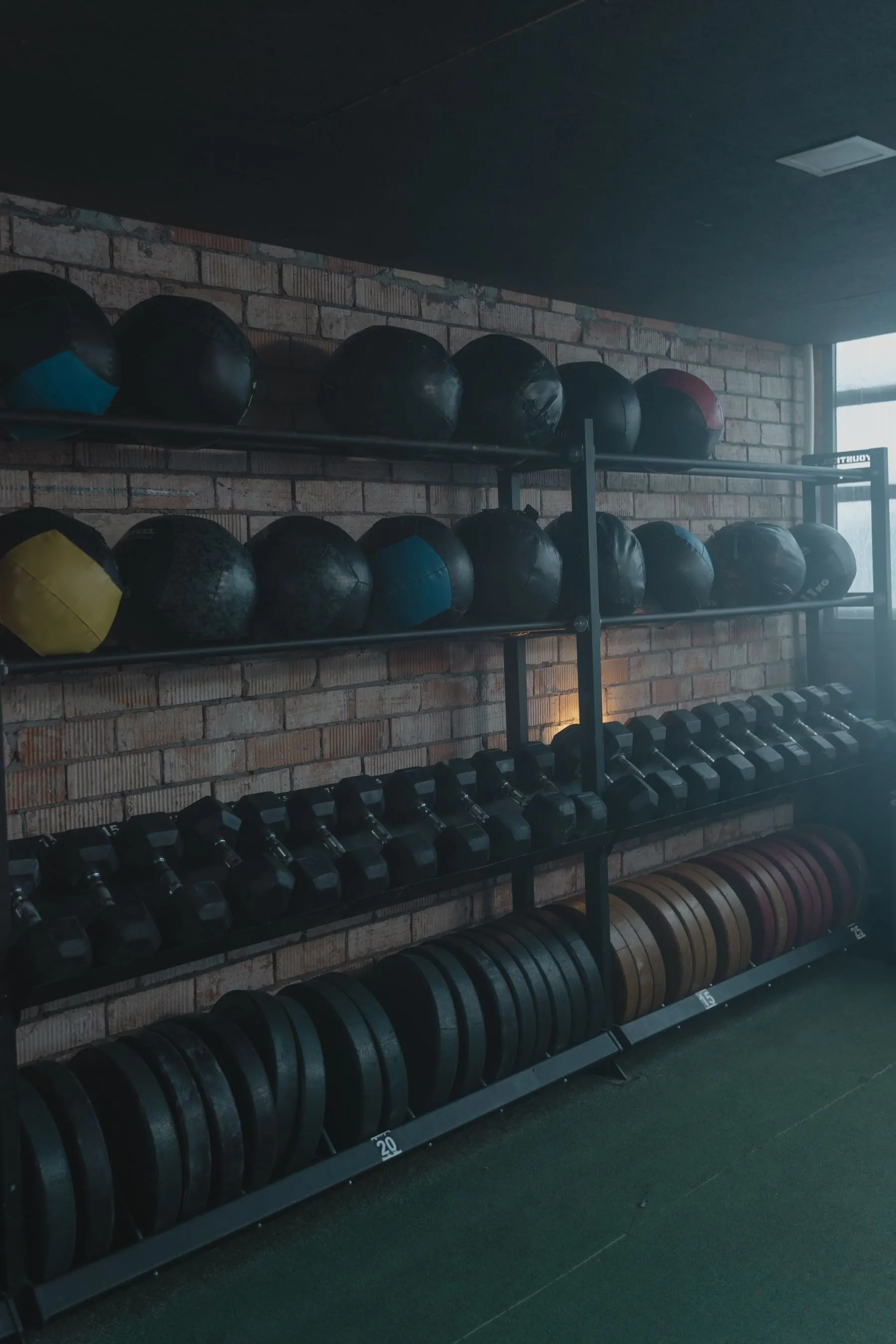
Return plates, dumbbells, cable attachments, mats, and bands to their marked locations. Matching the rack labels matters more than copying wherever the last person left something. On a busy evening in Seoul, orderly re-racking keeps walkways usable and makes equipment easier to find.
Wipe contact points without creating a ritual
Use the cleaning method the gym provides. This may be a spray bottle and towel, disposable wipes, or a shared cleaning cloth. Wipe obvious sweat from benches, mats, handles, and machine pads after use. Do not spray liquid directly onto screens or electrical controls unless the instructions say to do so.
A personal towel is useful for sweat, but it does not replace cleaning a visibly wet bench. Conversely, there is no need to delay the next person by polishing every metal surface. Follow the facility's visible standard and focus on the places your body contacted.
Locker rooms, showers, and personal space
Locker rooms require more attention because expectations are less visible. Keep photos and video completely out of changing and shower areas. Take calls elsewhere, keep personal items contained, and avoid reserving a bench with a large spread of belongings.
Shower supplies, hair dryers, and towel return bins vary by facility. Separate indoor slippers may be provided for wet areas. Follow signs and floor markings rather than wearing training shoes into a shower zone. If the facility sorts used clothing and towels, return each item to the labelled container.
Filming and loud training need permission
Do not assume that a public workout area is a free filming location. Even a camera aimed at your own lift may capture other members, staff, or information on a screen. Ask the facility, choose a quiet angle, and stop if another person enters the frame. Tripods can also obstruct narrow walkways.
Dropping weights, using chalk, training barefoot, or moving equipment between zones may be acceptable in one gym and prohibited in another. The platform, flooring, and posted rules are better guides than what you have done in another country.
How to ask when you are unsure
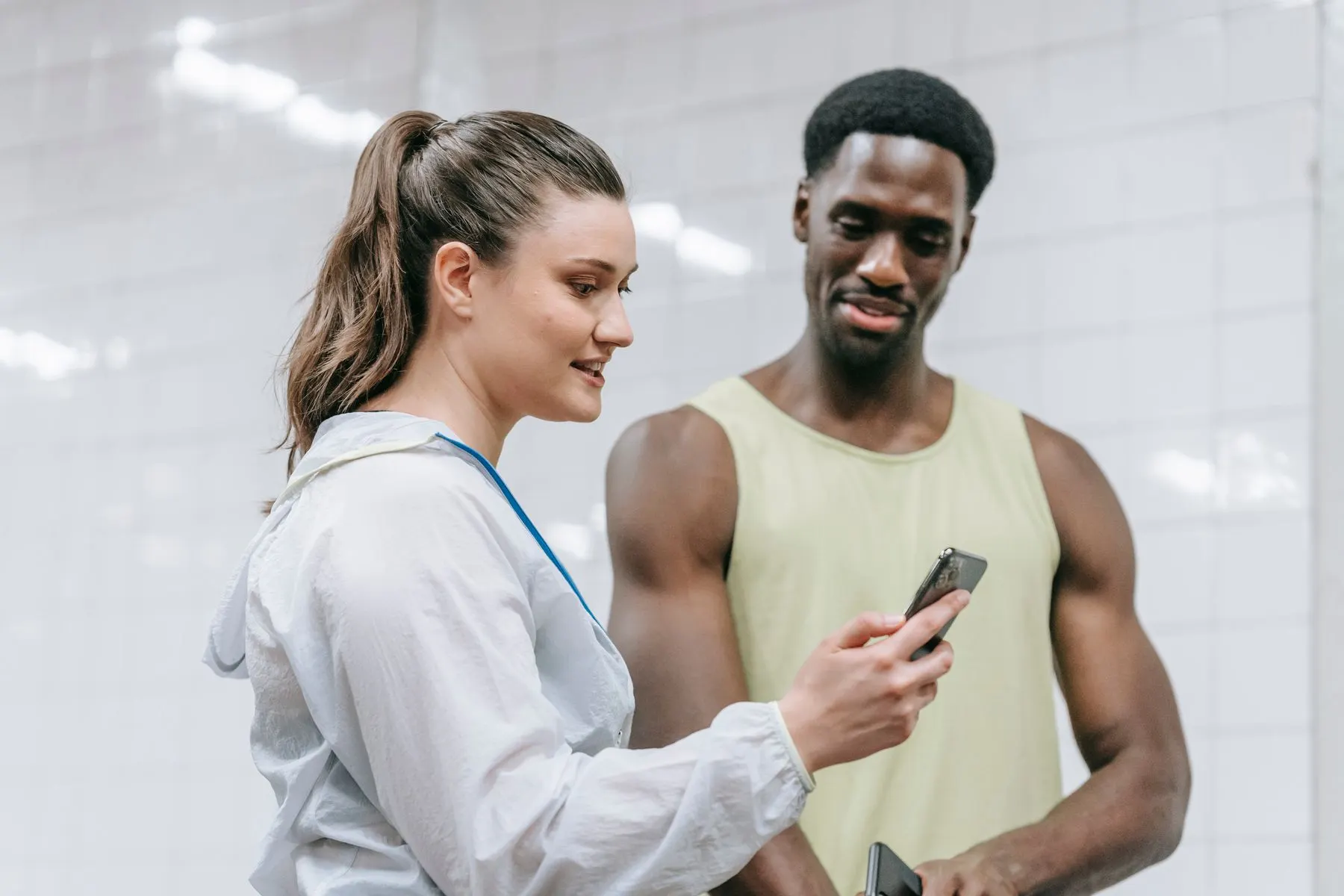
Short, specific questions are easier than a broad request to explain every rule. “실내화가 필요해요?” means “Do I need indoor shoes?” “수건은 어디에 반납해요?” asks where to return the towel. Showing a translation on your phone is perfectly reasonable, but step away from a busy gate or reception line while preparing it.
For readers comparing facilities where onboarding can happen in English, English-friendly gym guidance in Gangnam provides more context. Language support is useful, but careful observation and considerate equipment use still matter in any gym.
Common mistakes to avoid
The first is treating a habit from one Korean gym as a nationwide custom. Amenities and rules can change even between branches of the same brand. The second is waiting silently beside equipment and becoming frustrated; a polite question usually resolves the situation faster. The third is copying another member who may also be ignoring a rule.
Finally, do not confuse being quiet with being invisible. Greet staff, return borrowed items, report damaged equipment, and ask before entering staff-only or class areas. Clear, simple communication is good etiquette.
FAQ
Do I need indoor shoes at a gym in Korea?
Some gyms require clean indoor-only shoes, while others do not. Check the membership information, entrance signs, or reception before your first session.
Are towels and workout clothes provided at Korean gyms?
They are provided at some facilities but not all, and availability may depend on the membership. Bring your own until the gym confirms what is included and where used items should be returned.
What should foreigners know about sharing gym equipment in Korea?
Keep rest periods considerate, tell someone how many sets you have left, and offer to alternate when the setup can be changed safely and quickly. Re-rack everything when finished.
Good gym etiquette in Seoul is not about memorising dozens of cultural rules. It is about reading the room, respecting shared space, and checking the details that differ from one facility to another.
Train With BODY SMITH