Does Sweating Burn Fat? What Sweat Actually Means
Sweating does not mean fat is burning. Learn what sweat actually shows, how calories work, and what makes a workout effective for fat loss.
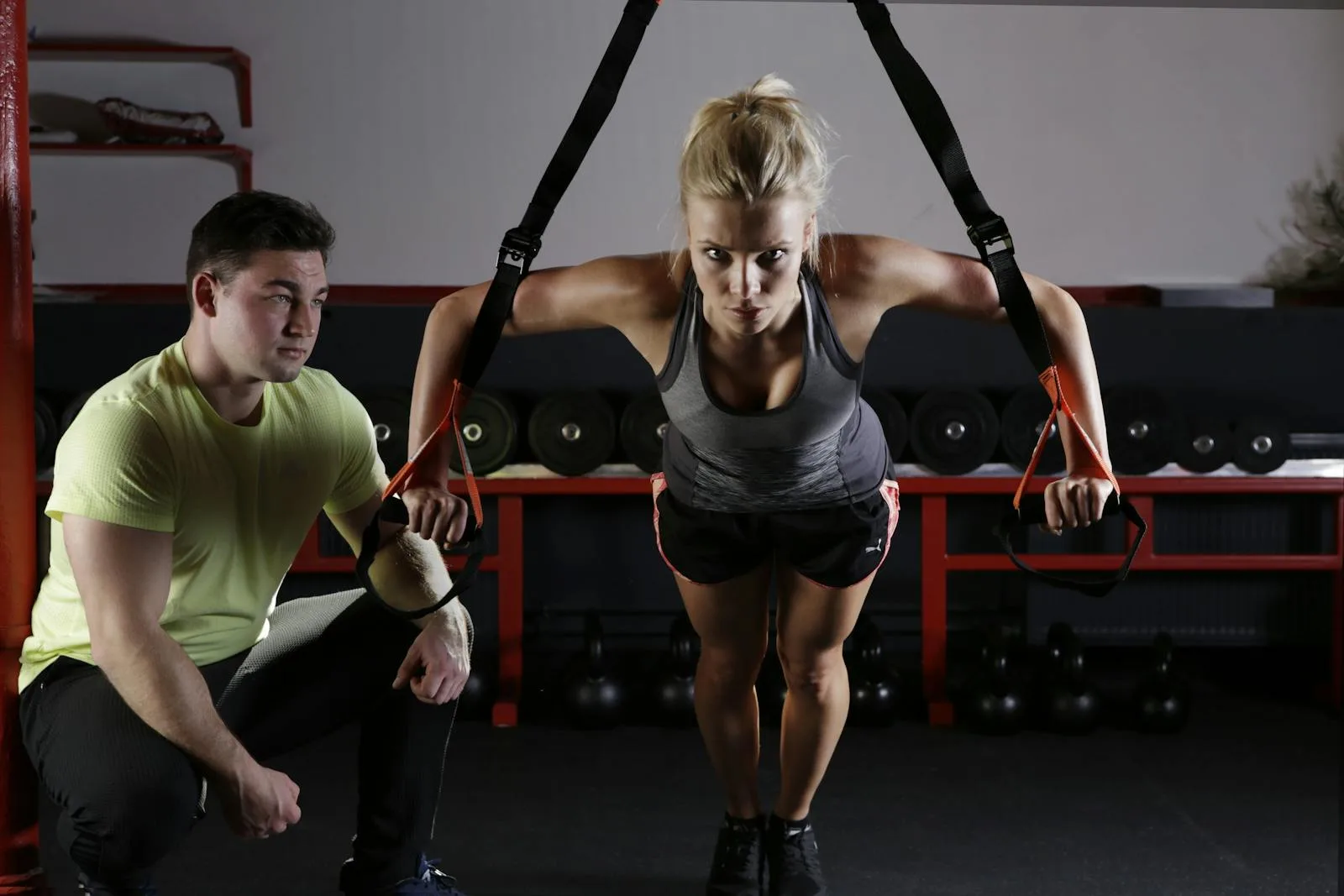
You finish a workout completely drenched, look at your shirt, and feel like something real just happened. It's an easy assumption to make — sweat feels like evidence. Like your body worked hard enough to produce a visible result.
So does sweating burn fat? The short answer is no. But the reason this confusion is so widespread is worth understanding, because it affects how a lot of people judge their workouts — and whether they think they're making progress.
What Sweat Actually Is
Sweating is your body's cooling system. When your core temperature rises — from exercise, hot weather, a sauna, or even just a warm room — your body produces sweat to bring that temperature back down. That's the whole mechanism. It has nothing to do with how much fat you're burning.
The amount you sweat in a given situation depends on temperature, humidity, your fitness level, and individual physiology. Not on calorie expenditure. Which means two things follow logically: you can sweat heavily and burn relatively few calories, and you can burn plenty of calories without sweating much at all.
A brisk walk on a cool day, for example, contributes meaningfully to energy expenditure — but might leave you completely dry. A long session in a jjimjilbang will have you sweating significantly, but it won't create any meaningful fat loss.
Why the Confusion Persists
The reason this myth is so sticky is that sweat does produce an immediate, measurable result — just not the one people think.
After a very sweaty workout or a sauna session, your weight drops. Sometimes noticeably. That drop feels like confirmation: the effort worked, something burned off. But what actually happened is fluid loss. Once you rehydrate, the weight comes back, because body composition hasn't changed.
In Korea, where jjimjilbangs are a regular part of life, this effect is particularly familiar. People sweat heavily, feel lighter afterward, and associate that feeling with progress. The sensation is real. The interpretation is just off.
This is also why "I sweated a lot" becomes a shorthand for "I had a good workout." It's not entirely irrational — intense exercise often produces both sweat and caloric burn simultaneously. But the sweat isn't the signal. It's a byproduct of the heat generated by effort, not a measure of it.
What's Actually Driving Fat Loss
Fat loss is a function of energy balance over time. Your body reduces fat stores when it consistently uses more energy than it takes in — across days, weeks, and months. That happens through daily movement, structured exercise, and eating patterns that support a sustained deficit.
Sweat can be present during all of this, but it isn't causing any of it. A well-structured session that prioritizes movement quality and consistent effort will contribute to fat loss whether or not it leaves you drenched. A session that maximizes sweat production — through heat, layers, or a sauna afterward — won't accelerate that process.
The uncomfortable implication is that some of the workouts that feel most effective — the ones that leave you exhausted and soaked — aren't necessarily the ones producing the best results. And some of the sessions that feel almost too easy are doing more than they appear.
For a closer look at what actually differentiates effective training from just working hard: the difference between choosing exercise by calorie burn and choosing exercise you can repeat. Boxing Vs Running For Fat Loss
A Few Situations Where This Gets Especially Misleading
Training in summer heat. Seoul summers are humid and hot enough that almost any outdoor session will produce heavy sweating. That doesn't mean those sessions are more effective than the same workout done indoors in cooler conditions — it just means your body is working harder to stay cool.
Sauna and jjimjilbang use. Genuinely useful for recovery and relaxation. Not a fat loss tool. The weight changes are real and immediate; the effect on body composition is negligible.
Short, very intense sessions vs longer moderate ones. A ten-minute all-out effort might produce more sweat than a forty-five-minute steady session — but the longer session likely burns more total calories. Intensity and duration interact in ways that sweat doesn't capture.
What's Worth Paying Attention to Instead
If sweat isn't a reliable signal, what is?
The most honest indicators of progress are less dramatic and slower-moving than a soaked shirt. Are you maintaining your training routine consistently week after week? Are sessions becoming more controlled, or are you able to sustain effort for longer? Are your body composition trends — not day-to-day weight, but the direction things are moving over several weeks — heading the right way?
Daily habits matter here too, in ways that dwarf what happens during any single workout. Sleep quality, overall movement throughout the day, and eating patterns that support a sustainable deficit contribute more to fat loss than optimizing the sweatiness of your sessions.
If you've ever responded to a plateau by simply pushing harder, it's worth understanding why that often doesn't work: why adding more exercise is not always the answer when food, recovery, and consistency are the limiting factors. More Exercise Not Losing Weight
The more useful question to ask after a workout isn't "did I sweat enough?" It's "was this something I can repeat consistently, recover from, and build on?" A session that scores well on those criteria will do more for you over time than one that just leaves you exhausted and dehydrated.
For a clearer picture of how body composition actually changes over time: body recomposition as the slower process of changing fat and muscle trends over time. Body Recomposition
How Chasing Sweat Can Work Against You
When sweat becomes the goal, a few counterproductive patterns tend to follow.
Sessions get selected based on how intense they feel rather than whether they're actually moving anything forward. Strength training — which is critically important for muscle retention and body composition — often gets deprioritized because it doesn't produce the drenched-shirt feedback that signals "a good workout." And trying to maximize sweat every session tends to push training volume and intensity beyond what recovery can support, which chips away at consistency over time.
The irony is that chasing the feeling of a hard workout often produces less adaptation than a structured, progressive routine that might feel less dramatic in the moment.
This connects to a broader pattern worth understanding: why adding more intensity is not always the answer when recovery, progression, and consistency are the limiting factors. More Exercise Not Losing Weight
The reframe that actually helps
Instead of "did I sweat enough?", the more useful question after any session is: did this move me forward?
That means a consistent training structure built around a few repeatable movements, attention to small improvements over time, and treating sweat as a byproduct of the environment and effort — not as the measure of success. You might still sweat a lot. That's fine. It just shouldn't be the reason you consider a workout effective.
For a clearer picture of how training and nutrition work together over time: body recomposition as the slower process of changing fat and muscle trends over time. Body Recomposition
FAQ
Does sweating mean I burned fat?
No. Sweating means your body is regulating its temperature. Fat loss is determined by energy balance over time — not by how much fluid you lose during a session.
Why do I weigh less right after sweating a lot?
That's water loss, not fat loss. It's real weight, but it comes back as soon as you rehydrate. Body composition hasn't changed.
Is a sweatier workout a better workout?
Not inherently. A good workout is one that fits your plan, supports consistency, and contributes to long-term progress. How much you sweat during it is largely a function of temperature and individual physiology — not effectiveness.
Sweat is a reasonable indicator that your body is working — but it's measuring heat regulation, not fat burning. When you stop using it as a proxy for progress and start looking at consistency, trends, and habits instead, what's actually driving results becomes a lot clearer.