How to Choose a Gym in Korea Without Getting Overwhelmed
Choosing a gym in Korea is easier when you know what to check. Learn how location, coaching, language, contracts, and atmosphere affect consistency.
If you've just moved to Seoul or are trying to restart a fitness routine, figuring out where to train can feel more confusing than it should. Between language differences, unfamiliar membership structures, and training environments that vary wildly from what you might be used to, it's not always clear where to begin.
The goal here isn't to find the objectively "best" gym. It's to find one you can actually navigate, get to consistently, and keep going back to. This guide gives you a practical way to think through your options — without turning it into a bigger decision than it needs to be.
Start With Your Week, Not the Gym
Before comparing facilities or prices, it's worth stepping back and looking at how your week actually runs.
When can you realistically train? How far are you willing to travel after a long day at work? Do you function better with scheduled sessions or flexible access? In Seoul, commute time and timing matter more than most people expect. A gym that looks perfect online can quietly become inconvenient within a few weeks if it doesn't fit into your daily flow.
A gym near your office tends to make weekday consistency much easier. A gym near home usually works better for weekend routines. This single question — where does training slot into my actual week? — often narrows the options more effectively than any amount of feature comparison.
What Actually Makes a Gym Easy to Use
Once location and timing make sense, the next question is whether the gym is usable — particularly for foreigners.
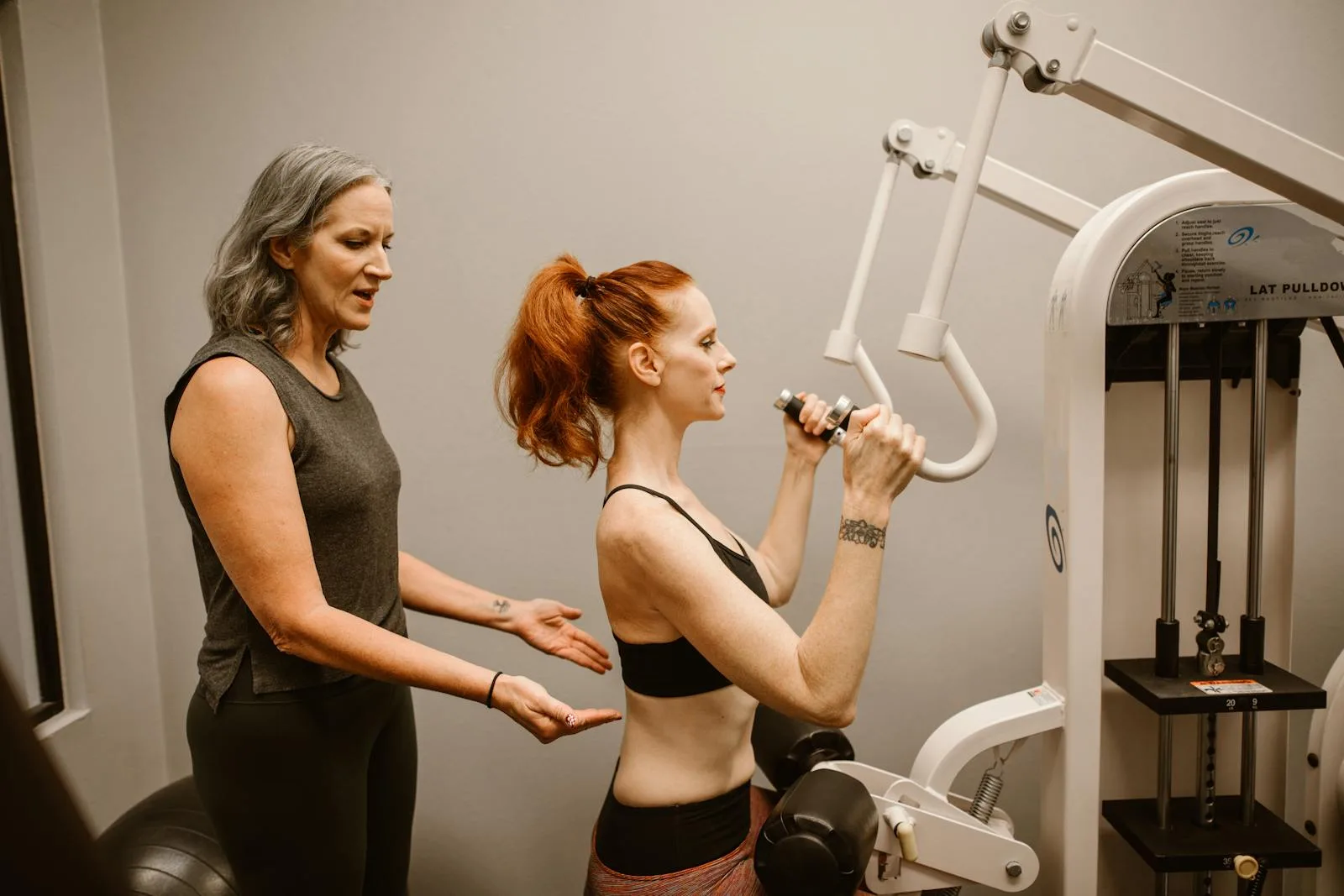
Language clarity matters more than people expect going in. Not every gym marketed to foreigners in Korea is genuinely English-friendly. Look for clear explanations during sessions, straightforward onboarding for new members, and coaches who can communicate basic cues without confusion. A good facility with unclear instruction can still be a frustrating experience.
Session structure is the other key variable. Some gyms offer open access — you come in, use the equipment, plan your own training. Others run structured classes with a set format. If you're new or returning after a break, structured sessions tend to reduce hesitation significantly. You don't have to figure out what to do; you just show up and follow along.
Beyond that, pay attention to the pace and atmosphere of the space. Is it fast-moving and experience-heavy, or more controlled and beginner-accessible? Do people train independently, or is there guidance available? These factors affect whether you'll keep going far more than how much equipment is available.
Where Most People Get Stuck
A few friction points come up repeatedly — and they're worth knowing about before you commit.
Membership systems that aren't immediately clear. Korean gyms vary a lot: fixed-term contracts, session-based packages, class bookings, open access. If the structure feels confusing at the start, it usually stays that way. It's worth asking directly how it works before signing anything.
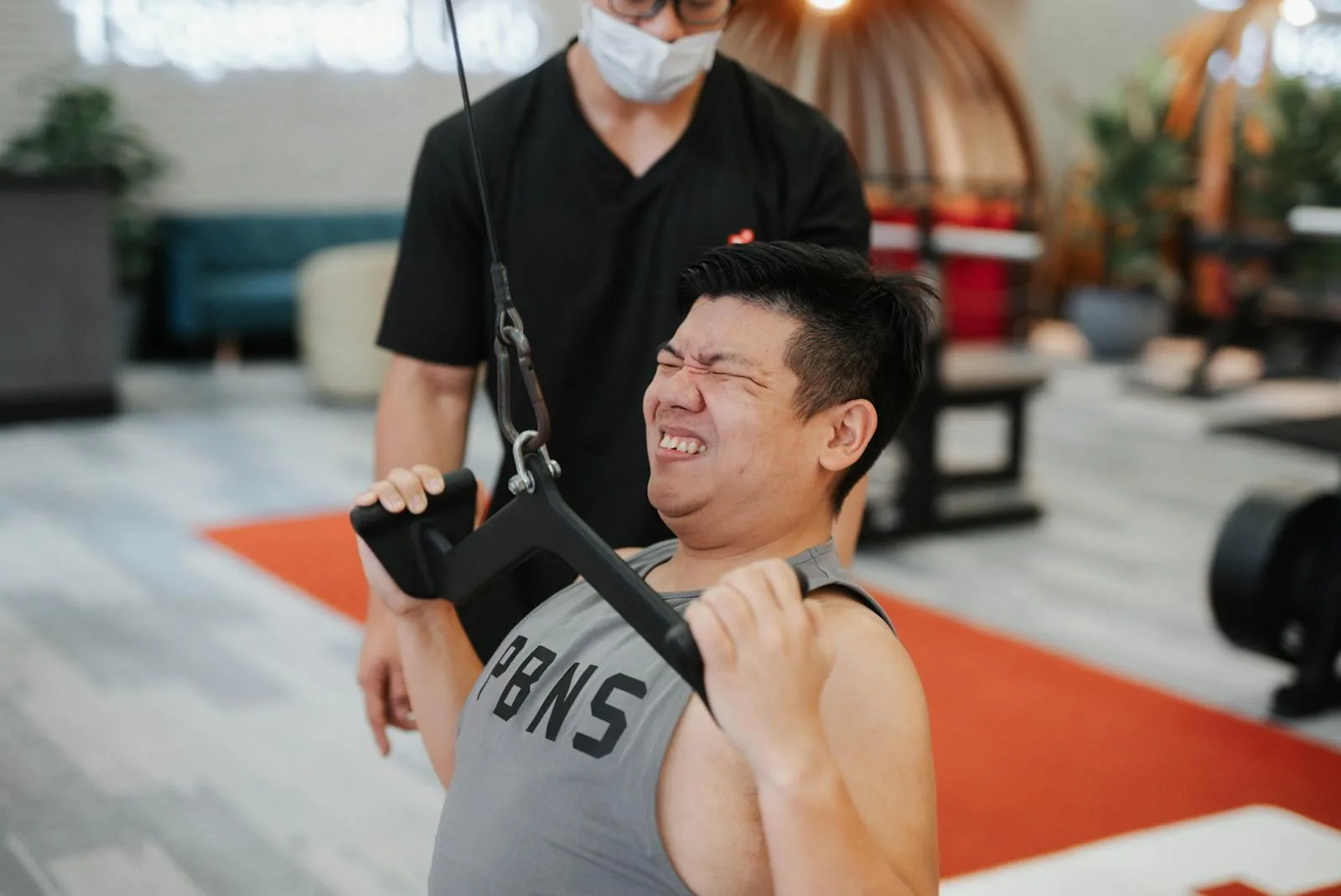
Feeling lost in the first session. Some gyms assume prior experience and provide minimal guidance. Without clear instruction from the start, beginners often feel unsure what they're doing — and that uncertainty tends to quietly erode motivation over the following weeks.
Overvaluing equipment. More machines, more space, more variety — these things look good in photos but rarely determine whether you stick with it. For most people, clarity and structure matter more than what's on the gym floor.
If you're unsure what your first session should feel like: what matters in an English-friendly fitness class, especially coaching clarity and first-session comfort
When a Structured Coaching Environment Makes Sense (and When It Doesn't)
It helps to be honest about what kind of training environment actually suits you.
A structured coaching setup tends to be a good fit if you prefer guided sessions over planning your own workouts, want clear instruction in English, are starting as a beginner or returning after time away, and benefit from a consistent weekly format you don't have to think about. At BODY SMITH, sessions combine boxing, conditioning, and strength work in a repeatable structure — which removes the guesswork that often slows beginners down and makes it easier to stay consistent week to week.
It's probably not the right fit if you prefer fully independent training, want open gym access at any time, or already have a program you're following and just need the equipment to do it.
If location is a factor for you: Gangnam English Gym
Let the First Session Answer the Question
You can only evaluate so much in advance. Your first session will tell you more than any amount of research.
Pay attention to a few simple things: how quickly you understand what's happening, whether the pace feels manageable, whether you know what to do without constant confusion, and whether you can picture yourself coming back. You don't need to judge your performance. Just notice whether the environment makes it easier or harder to continue — that's the thing that actually matters.

Next step
The most direct way to remove uncertainty is to experience a session.
If you want to try a structured, English-friendly training environment in Seoul, you can start here: Booking
FAQ
What should foreigners check before joining a gym in Korea?
Start with location, schedule fit, language clarity, and session structure. These factors affect long-term consistency more than equipment or price.
Do gyms in Korea offer English support?
Some do, but it varies. It's worth confirming whether instructions and onboarding are genuinely clear in English — especially if you're new to training or new to Korea.
Should I book a trial before joining?
Yes, if it's available. A single session usually tells you more about whether a gym actually fits than anything you can find out in advance.